
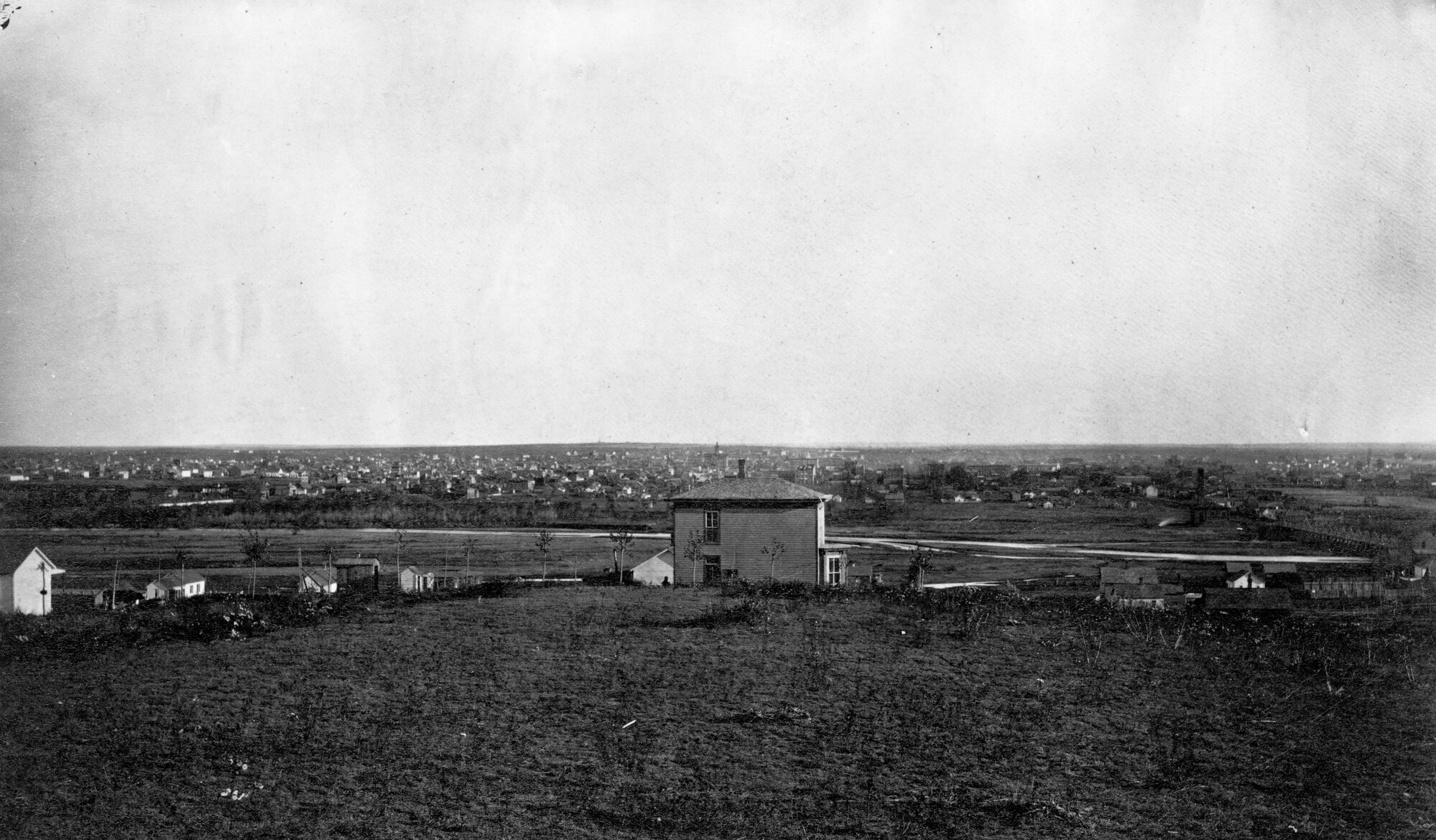
A view of Denver from the Highlands bluff, circa 1872, photographed by W. G. Chamberlain. Photo credit: Denver Public Library Special Collections.
In the late 1880s, long before glowing skyline views and sleek rooftop decks defined North Denver, a simple wooden streetcar began clattering up the steep dirt rise west of the South Platte River. Commuters stepping off at 23rd Avenue weren't standing in Denver at all… they were in the independent, saloon-free retreat of Highlands, taking in a quiet, elevated vantage point over the smokestacks below.
That high bluff soon became Jefferson Park, Denver, a neighborhood shaped by deliberate escape, transit-driven booms, highway divides, and fierce community protection. Tracing what the history behind Jefferson Park in Denver reveals about early streetcar suburbs offers a front-row seat to how Jefferson Park, Denver, has changed over the years into one of the city's most architecturally diverse and energetic enclaves.
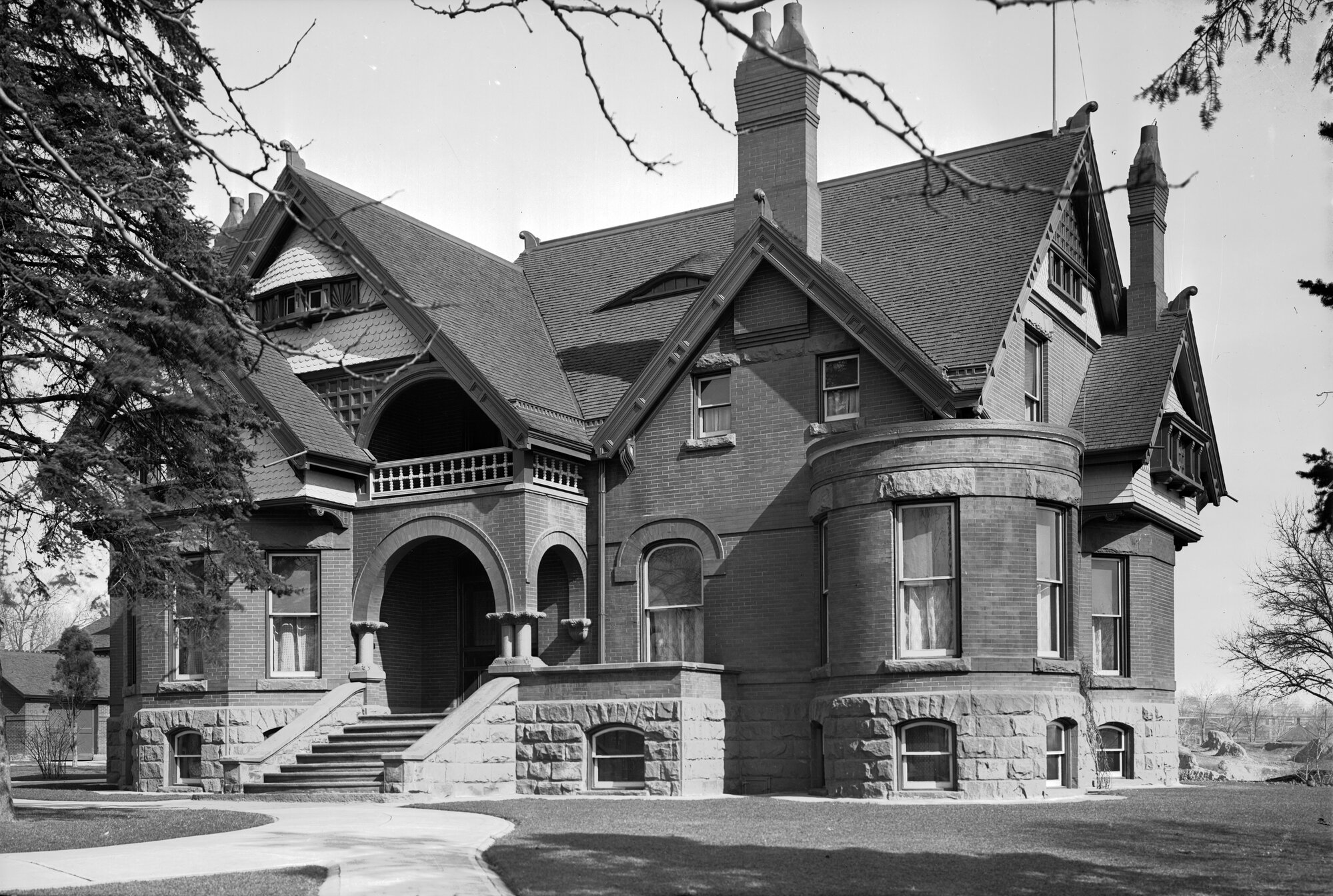
The Roger Williams Woodbury house at West 25th Avenue and Alcott Street, circa 1930 to 1940. Photo credit: Denver Public Library Special Collections.
Jefferson Park, Denver History
Bound by Speer Boulevard to the north, Federal Boulevard to the west, Colfax Avenue to the south, and the South Platte River to the east, Jefferson Park is one of Denver’s oldest and most dynamically transformed neighborhoods. Positioned on a bluff directly west of downtown, it combines rich 19th-century history with rapid modern infill development.
A Dry Town with Dirty Secrets
Before Jefferson Park became a Denver neighborhood, it was part of the Town of Highlands (incorporated in 1875). The founders explicitly designed Highlands as a clean, quiet, moral alternative to Denver, which they viewed as a polluted, rowdy "den of iniquity" filled with saloons, coal smoke, and vice.
To keep it a "dry" sanctuary, town leaders set exorbitantly high liquor license fees… so high that no saloons could afford to operate there. Combined with its elevated location and artesian well water, the town pitched itself as having "pure air, pure water, and pure morals".
But “pure” did not apply to the town’s tactics. Beneath the pristine marketing of early Highlands lies a complex history of exclusion, class divides, and political tension.
The anti-saloon mandate was not just about alcohol. It was also a proxy for controlling who could live there. High liquor license fees, strict land use covenants, and property deed restrictions were designed to keep out working-class European immigrants (particularly German, Irish, and Italian laborers), who settled heavily across the river in Denver’s Globeville and Swansea. The "dry" laws ensured Highlands remained an elite, homogeneous enclave for wealthy Anglo-Protestant elites.
To maintain its “clean” promise, Highlands capitalized on its physical elevation to escape the smog and industrial stench of 19th-century Denver. However, that environmental privilege was built on dumping pollution downstream onto working-class neighborhoods along the South Platte River bottomlands. Highlands got clean artesian well water; lower-income neighborhoods nearby dealt with contaminated river runoff and industrial waste.
While Black Denverites in the late 19th century were primarily forced to settle east of downtown in areas like Five Points due to informal housing discrimination, the Highlands area later formalized these barriers. As the neighborhood grew into the 1910s and 1920s (especially during Denver’s Ku Klux Klan-dominated political era in the 1920s), developers inserted racially restrictive covenants into property deeds across North Denver. These legal covenants explicitly forbade Black residents from purchasing, renting, or occupying homes in the area (often with an explicit exception allowing Black individuals to live on the property only if employed as domestic servants).
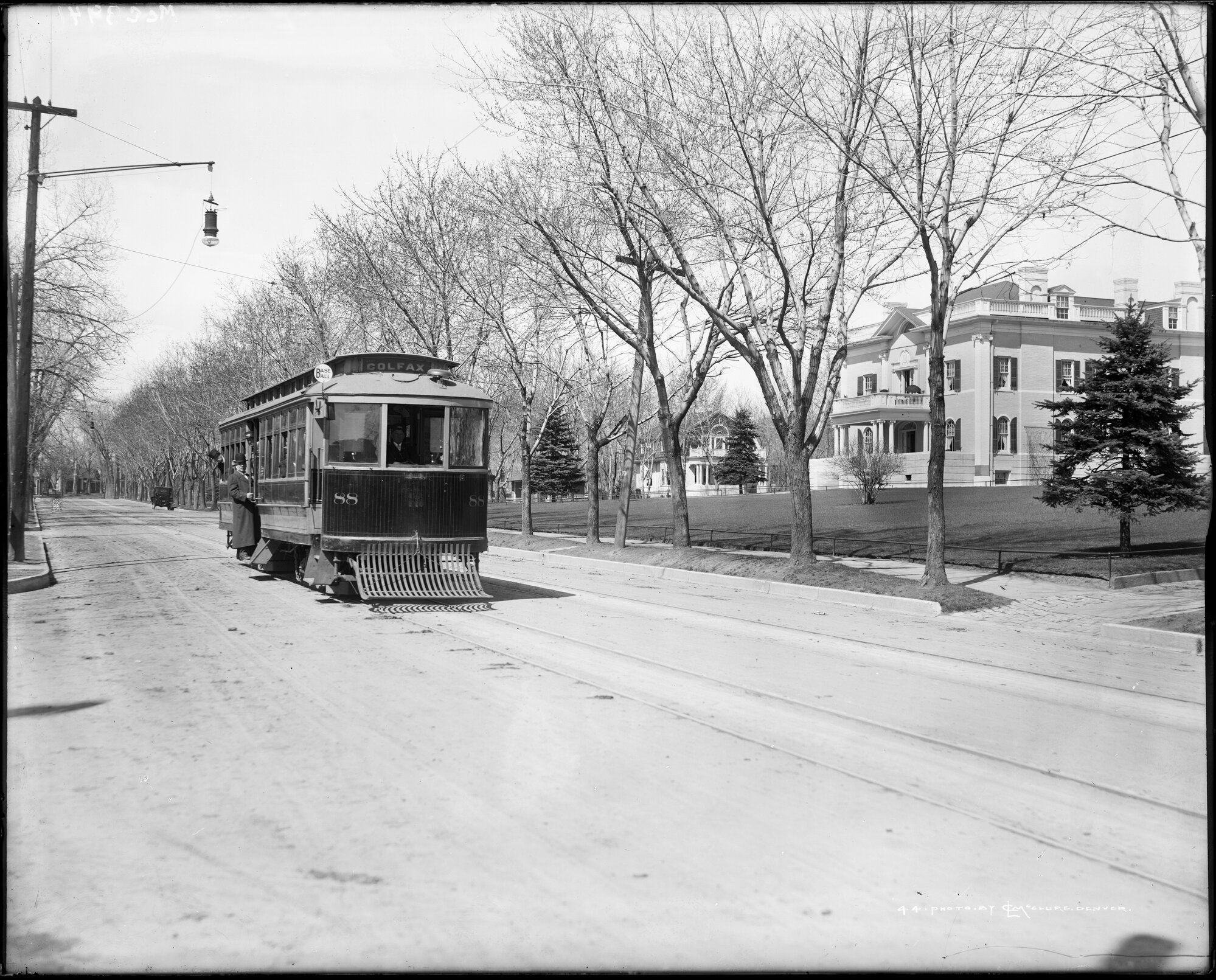
A Denver Tramway Company electric streetcar on West 32nd Avenue in the Highlands. Photo credit: Denver Public Library Special Collections.
The Jefferson Park Neighborhood of Denver
During the Streetcar Suburban Boom in the late 1880s, the neighborhood expanded rapidly as streetcar lines connected North Denver across the Platte River to downtown. Working-class families, European immigrants, and city commuters built Victorian homes, Queen Anne residences, and brick bungalows along its grid.
On August 7, 1896, the Town of Highlands (including the area that became Jefferson Park) was formally annexed by the City of Denver. Despite its founders' grand vision of remaining a pristine, "dry" sanctuary away from Denver's industrial core, Highlands struggled with mounting debt from building expensive roads, water infrastructure, and municipal systems without a commercial tax base (since saloons and most industrial businesses were banned). Facing financial collapse, town residents voted to surrender their independent town charter and join Denver in a contentious annexation fight.
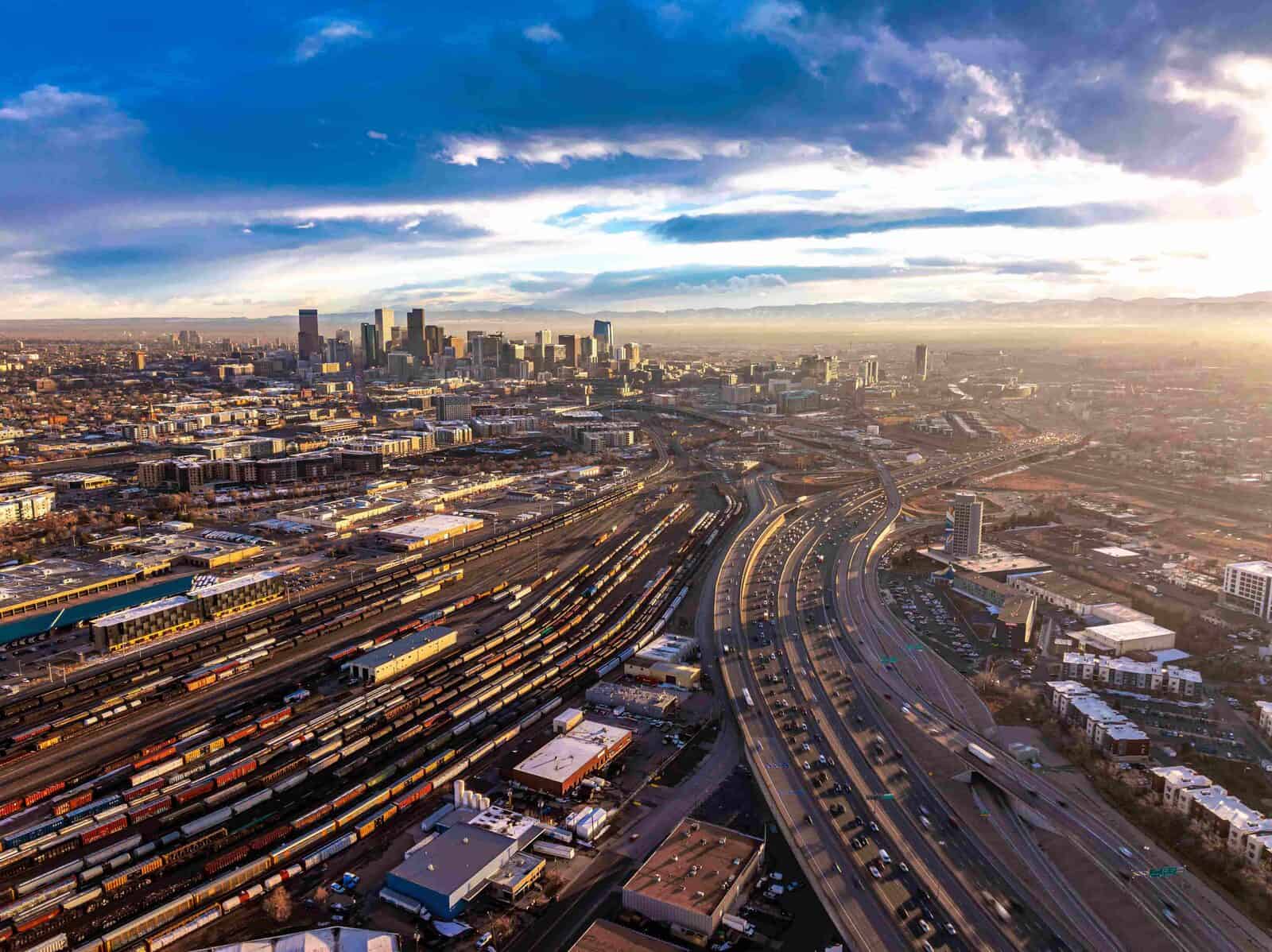
Like many central urban districts across the country, Jefferson Park saw significant demographic shifts mid-century following post-WWII suburbanization. Construction of the Interstate highway network (specifically I-25) effectively carved the neighborhood off from the riverfront and downtown core.
In response to urban blight and aggressive commercial re-zoning proposals in the 1990s, residents organized to protect historic single-family homes and revive community spaces. This grassroots push sparked the revitalization wave that reshaped the district over the subsequent two decades.
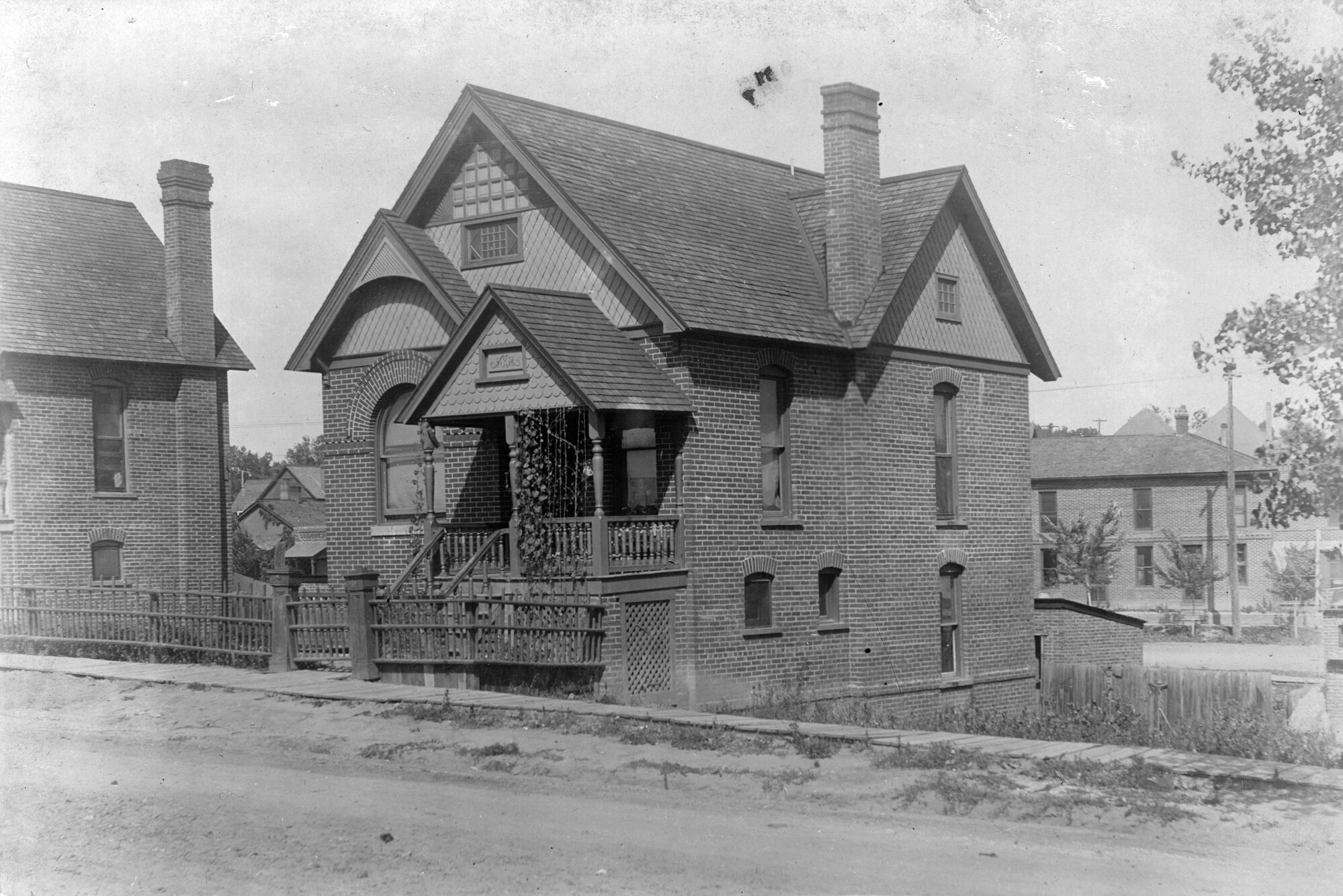
The Johnson residence at 252 River Drive, circa 1894. Photo credit: Denver Public Library Special Collections.
Jefferson Park, Denver Trivia
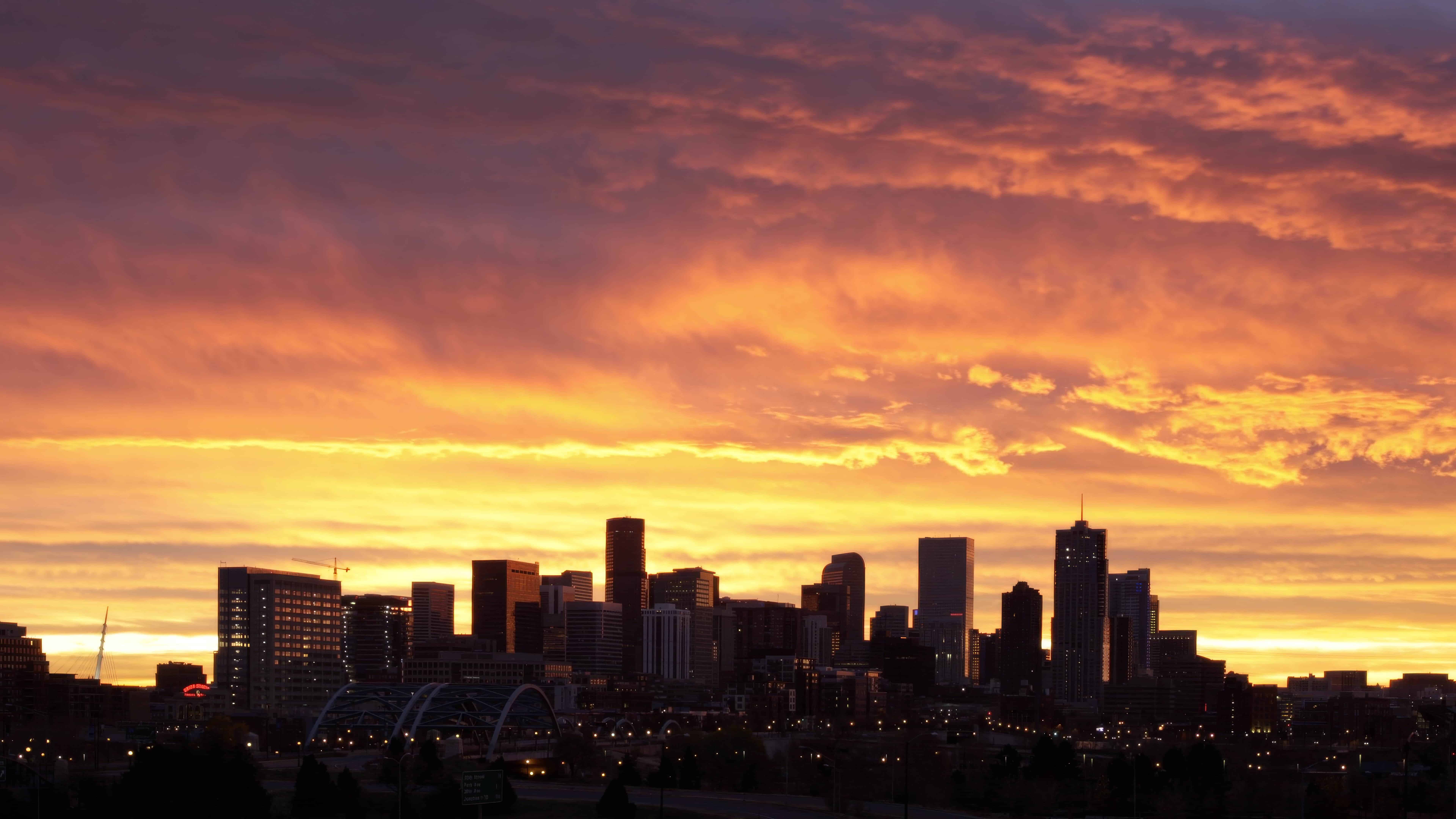
- Named After a 6.7-Acre Haven: The neighborhood takes its name directly from the over six-acre Jefferson Park located along 23rd Avenue. The park was named in honor of Thomas Jefferson and offers prominent, unobstructed views of the downtown Denver skyline over the South Platte valley.
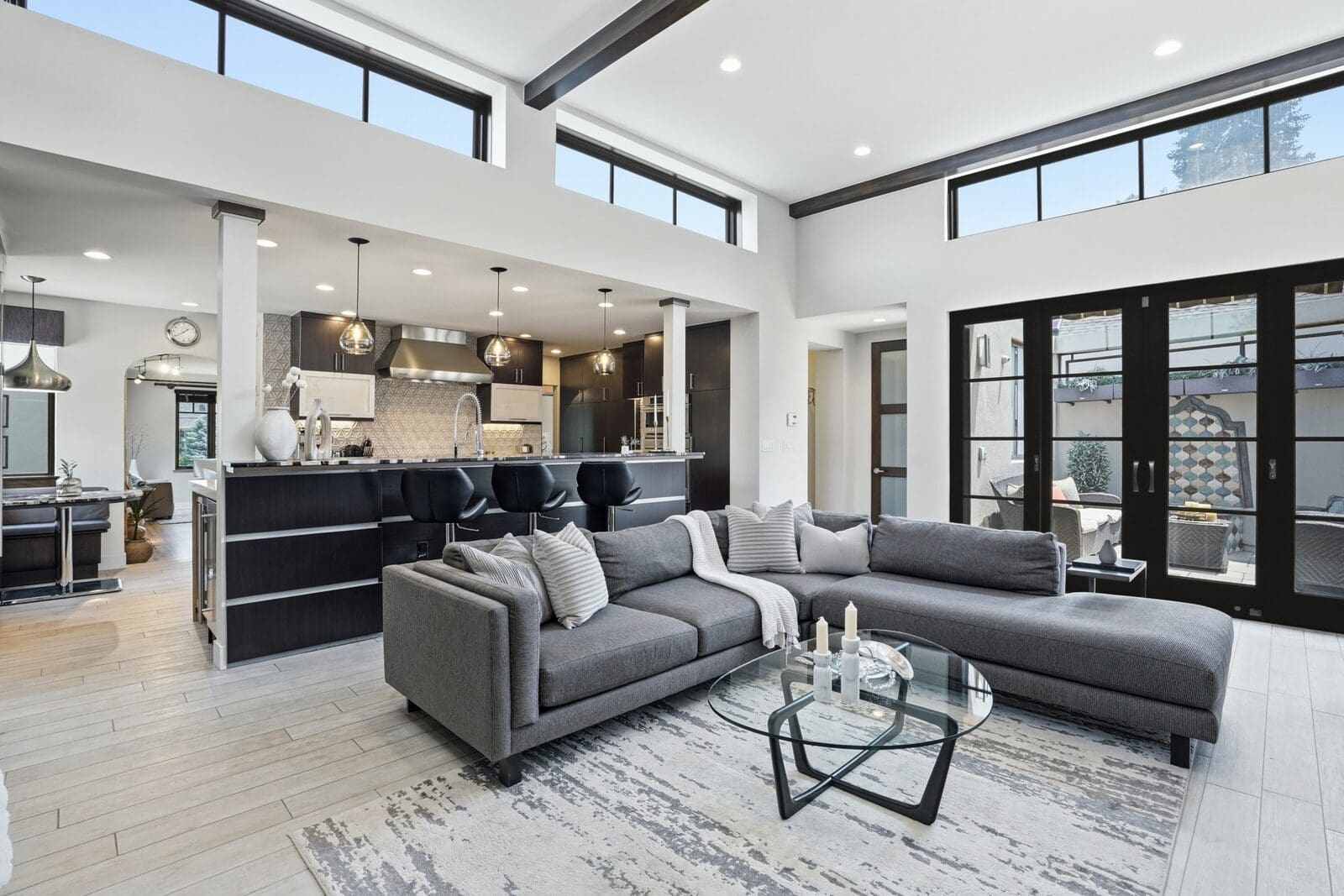
- A Stark Architectural Contrast: Jefferson Park contains one of the most visible architectural mix-and-match profiles in North Denver. 1880s Victorian homes and 1920s brick bungalows stand directly adjacent to sleek, flat-roof modern multi-unit townhomes built during the 2010s urban density boom.
- The Historic 25th Avenue Micro-Commercial Core: Unlike typical high-density commercial strips, Jefferson Park’s historic commercial hub centers around a tiny, two-block stretch along West 25th Avenue near the park itself. It retains low-slung early 1900s storefronts now housing neighborhood eateries, coffee shops, and local taprooms.
- Front-Row Seat to the River Mile Project: Sitting along the western bank of the South Platte, Jefferson Park overlooks the multi-decade River Mile redevelopment project transforming the former Elitch Gardens amusement park site into an urban riverfront district.
- The Mansion Mystery: Tucked at 2630 Federal Blvd sits the historic Adams Mansion, a stunning 1892 Victorian structure. Long known as the home of the Adams Mystery Playhouse (a local venue hosting murder mystery interactive theater) the property represents one of the few surviving grand estates built along Federal Boulevard when the strip was an elite suburban boulevard rather than a busy arterial transit route.
- The Neighborhood That "Vanished" from Maps: When Interstate 25 was constructed in the 1950s and 1960s, it literally severed Jefferson Park from the South Platte River and lower downtown. The highway cut right through the grid, removing entire blocks of historic housing and isolating the neighborhood so thoroughly that for decades locals referred to it as North Denver’s "forgotten corner."
More than a century after those original streetcars crested the rise, the bluff high above the South Platte remains one of the city's most captivating perches. Jefferson Park has endured interstates slicing through its grid and discriminatory infrastructure, fended off stadium-sized developments, and reimagined its streetscapes for a modern era… all without losing the distinct sense of independence that founded it.
Today, as contemporary townhomes stand shoulder-to-shoulder with 19th-century brick Victorians, Jefferson Park, Denver, continues to prove that looking forward doesn't mean forgetting the view behind. Whether you're drawn by the front-row vantage point on the horizon or the deep community roots laid beneath it, this neighborhood remains a singular place to call home in North Denver.
Elevated views require high-level expertise! Partner with a Corcoran Perry & Co. real estate agent to reach new heights.

Laurel Cisneros
Jefferson Park Denver Frequently Asked Questions
What is the history behind Jefferson Park in Denver?
Jefferson Park, Denver, began as part of the Town of Highlands, incorporated in 1875 as a dry alternative to Denver proper. Streetcar lines connected the area to downtown in the late 1880s, and Denver annexed Highlands on August 7, 1896. In the mid-20th century, I-25 cut the neighborhood off from the riverfront, and resident organizing in the 1990s sparked the revitalization that followed.
Can you recommend some local amenities near Jefferson Park?
Jefferson Park is packed with convenient recreational, cultural, and culinary destinations:
Parks & Outdoors: The neighborhood's namesake, Jefferson Park, features open green lawns, tree-lined paths, picnic spots, and a playground with panoramic city views. The nearby South Platte River Trail offers miles of continuous paved paths for cyclists and runners.
Dining & Craft Drinks: Enjoy craft beers and rooftop views at Briar Common Brewery + Eatery, warm up with espresso at local coffee spots along W. 25th Avenue, or grab a drink at Jefferson Park Pub.
Culture & Entertainment: Games and concerts at Empower Field at Mile High are just a jaunt for pedestrians, and you can take the family down the hill to the Children's Museum of Denver at Marsico Campus and the Downtown Aquarium.
What are the best apartments available in Jefferson Park Denver?
Jefferson Park features a mix of luxury modern apartment complexes, boutique mid-rise communities, and private rental units inside modern townhomes. Top apartment properties in the area offer upscale amenities like private rooftop lounges overlooking the Denver skyline, pet-friendly facilities, secure underground parking, and rapid access to I-25 and downtown. You can search current rental options and active home listings across the area using our Jefferson Park Real Estate Guide.
What is the Jefferson Park neighborhood like?
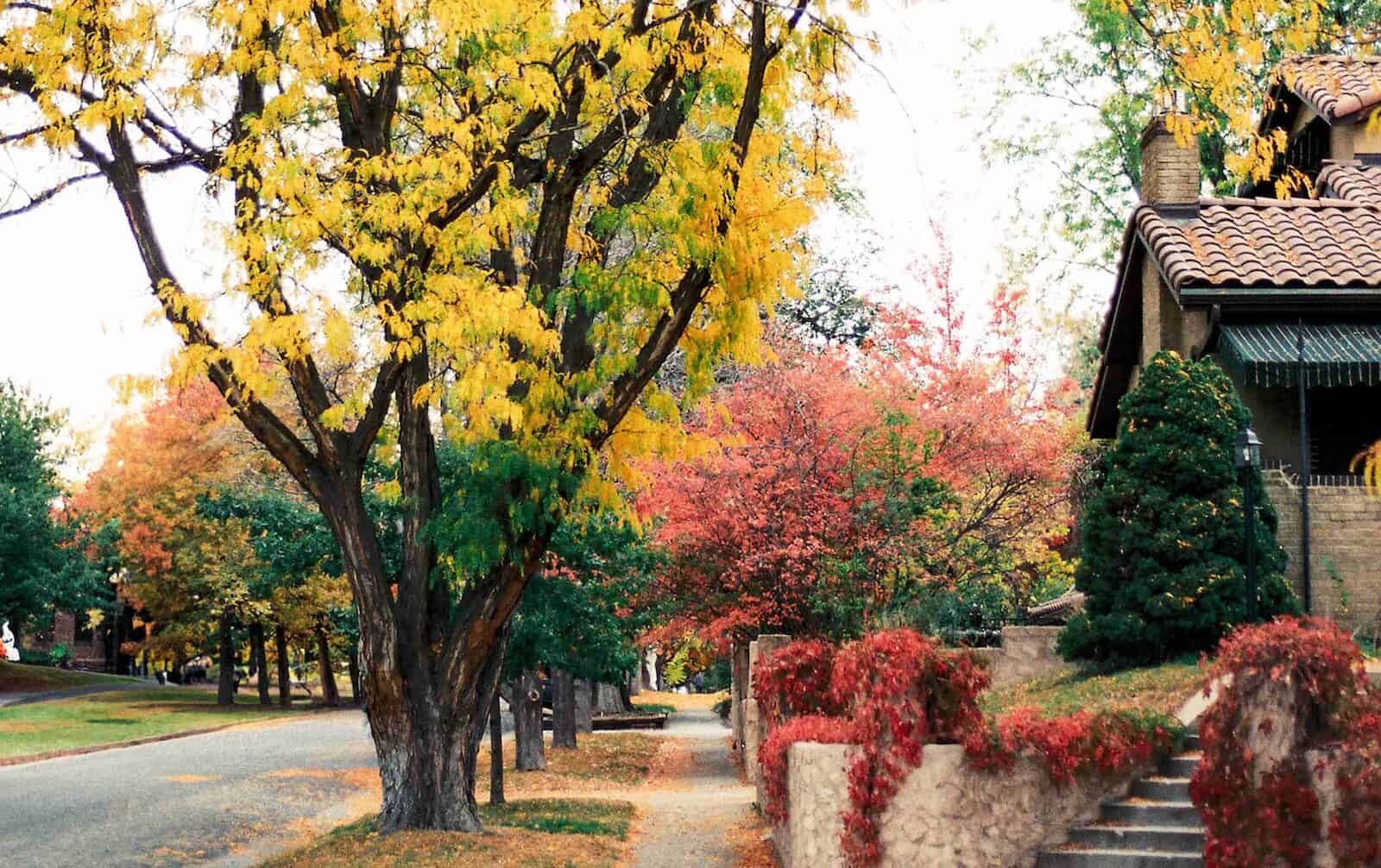
Jefferson Park is an energetic, pedestrian-friendly urban residential neighborhood. It bridges the relaxed, community-focused feel of North Denver with the rapid accessibility of downtown. Residents range from young professionals and urban commuters to long-time locals. The vibe is a mix of quiet tree-lined streets near the park and bustling game-day activity toward the stadium.
What types of homes are in Jefferson Park?
The housing stock in Jefferson Park is diverse and reflects over a century of development:
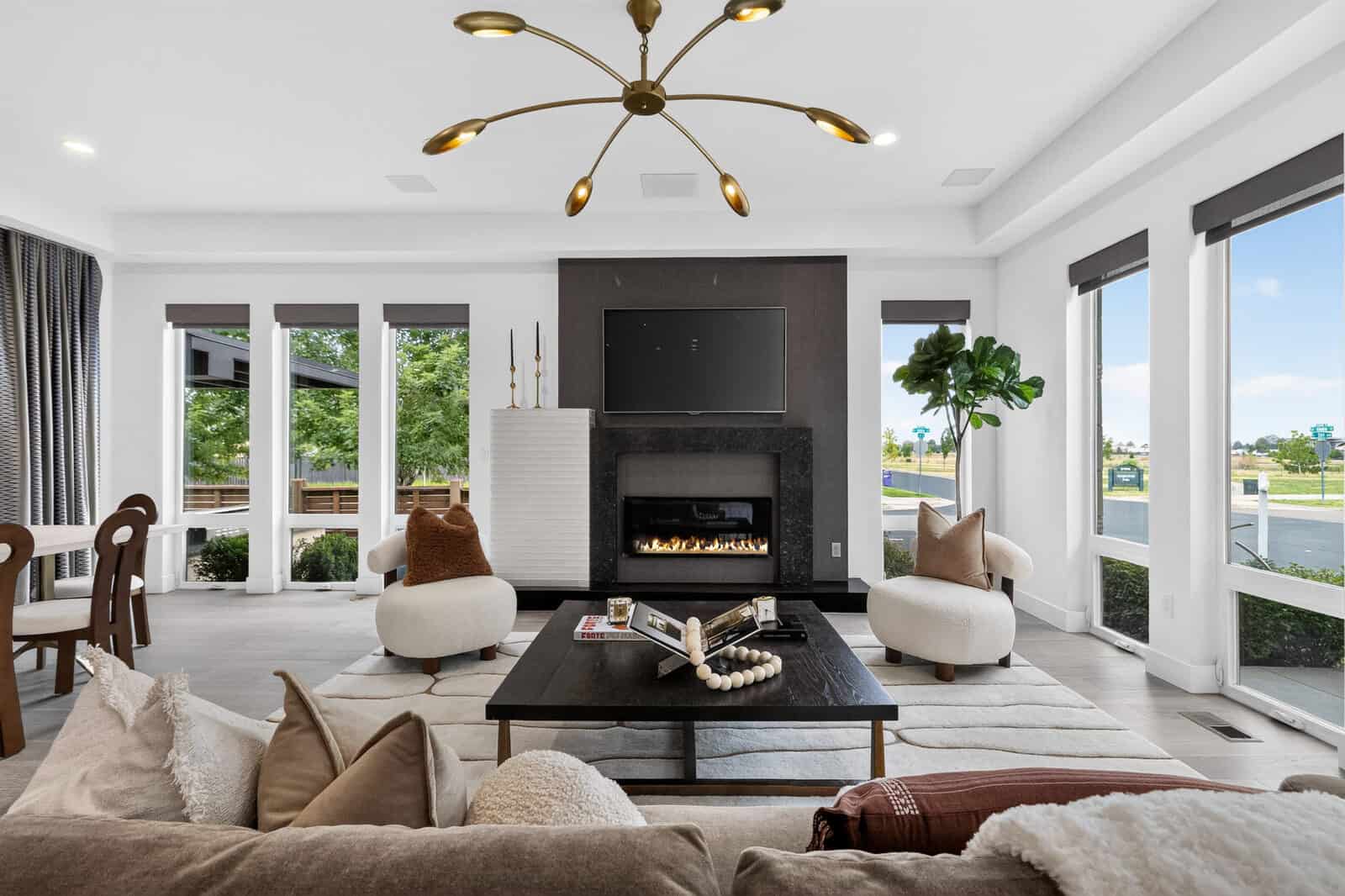
- Modern Townhomes & Condos: Multi-level modern townhomes featuring private garage parking, open floor plans, and rooftop decks dominate much of the newer construction.
- Historic Single-Family Homes: Charming late-19th-century Victorians, classic brick Denver Squares, and 1920s craftsman bungalows remain preserved on select blocks throughout the grid.
- Luxury Infill Properties: Contemporary single-family builds and boutique luxury condominiums designed to maximize skyline views.












Socials