

We are officially past the stage of grief where buyers and sellers hope mortgage rates will spontaneously go back down to 4%. With the 7% baseline firmly entrenched, Denver is adjusting to life in the new normal. According to the Denver Metro Association of Realtors (DMAR), active listings rose to 13,567 in September (up 3.77% year-over-year), while closed sales dropped 21.39% as high financing costs restricted purchasing power.
The divergence between property types is defining this environment. Detached single-family homes held a median close price of $635,000 (flat year-over-year), defending their baseline through tight supply. Meanwhile, attached properties like condos and townhomes absorbed a 6.28% annual drop down to a median of $365,500, weighed down by buyers rejecting escalating HOA and insurance overhead on top of peak borrowing costs.
MoM and YoY compare September 2026 to August 2026 (month over month) and to September 2025 (year over year). Arrows show direction only: green means the number rose, red means it fell. Days in MLS is the median number of days a listing is on the market until it goes under contract.
Denver Metro Housing and Real Estate Market Update for October 2026
Driven by broader macroeconomic headwinds and rising financing costs, the market is shifting toward buyer leverage.
- Residential Real Estate Inventory & Activity: Active listings climbed to 13,567 up 3.77% Year-Over-Year (YOY) and 3.72% Month-Over-Month (MOM). Meanwhile, closed sales dropped sharply by 21.39% YOY and 11.71% MOM to 2,849 transactions, reflecting a cautious buyer pool that leaves homes on the market longer than new ones are added.
- Home Pricing Trends:
- Detached Homes: The median close price remained completely flat YOY at $635,000, though it softened 2.08% MOM from August's $648,500.
- Attached Homes (Condos/Townhomes): Facing steeper declines due to higher HOA and insurance overhead, the median close price fell 6.28% YOY and 1.19% MOM down to $365,500.
- Days on Market: Median days in the MLS for detached homes dropped 15.15% year-over-year to 28 days. However, looking at the immediate trend, median days jumped 16.67% month-over-month from August to September, showing that properties are starting to linger longer as fall sets in. Attached homes had a median of 44 days on market, up 4.76% year-over-year.
Housing Affordability Concerns
- The 7% Mortgage Rate Barrier: National macroeconomic reporting shows 30-year fixed mortgage interest rates pressing into the 7.28% to 7.53% range. This sustained high-rate environment is restricting purchasing power and perpetuating the “lock-in effect” for prospective sellers while squeezing active buyers on debt-to-income limits.
- Expansion of Buyer Leverage: With active inventory up over last year and pending sales down (-13.43% YOY), buyers are increasingly successful at negotiating inspection credits, price adjustments, and seller-paid rate buydowns.
- Divergence Across Property Types: The detached market remains relatively resilient because single-family supply is tightly guarded. Conversely, the attached market is taking a hit as buyers reject rising association costs stacked on top of peak interest rates.
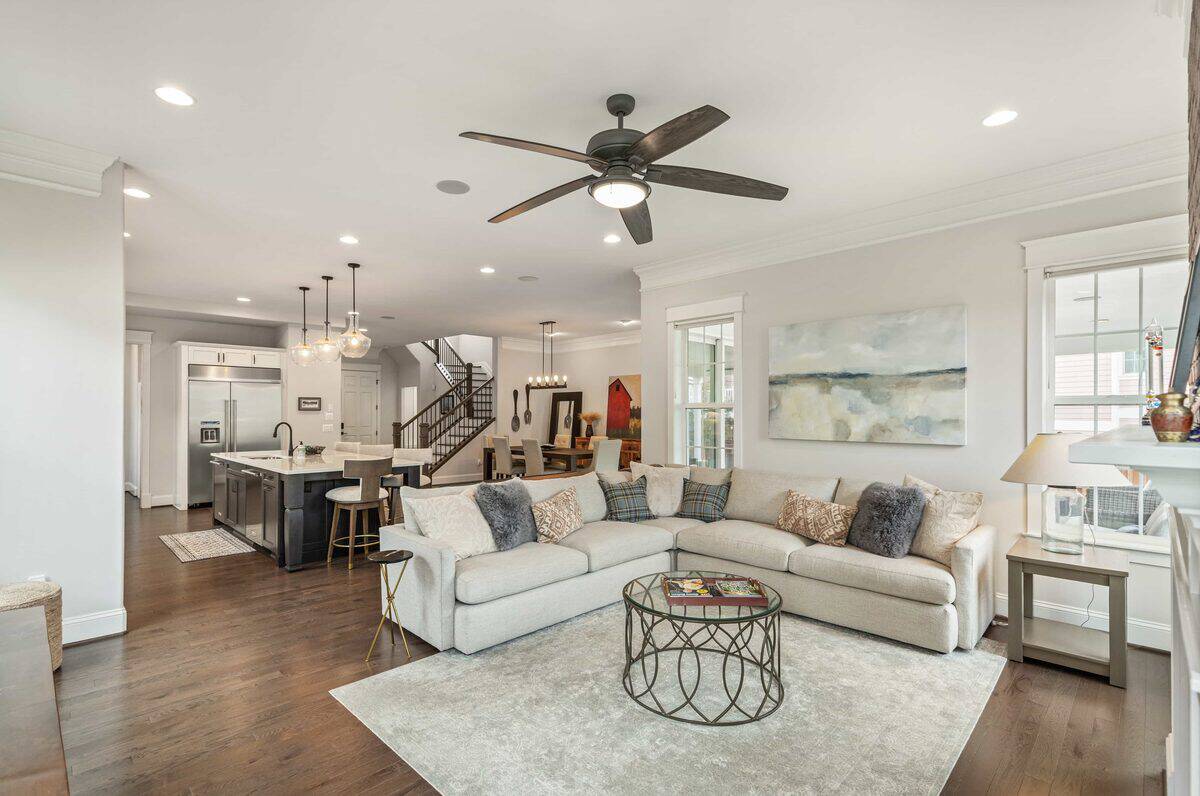 Featured listing: 9859 E 59th North Place, Denver
What are the Emerging Trends in Real Estate for the Rest of 2026?
- Seasonal Slowdown: Expect traditional fourth-quarter cooling. Closed volume and new listings will likely contract further through November and December as holiday patterns freeze out hesitant buyers.
- Stable-to-Soft Pricing: Prices are unlikely to crash given baseline structural demand in Colorado, but modest downward pressure on median prices will persist through the winter. Sellers will need to price competitively from day one.
- Concession-Driven Deals: Rate buydowns and closing-cost concessions will replace large headline price cuts as the primary mechanism for getting deals across the finish line.
Denver real estate is no longer a monolith. While single-family properties protect their ground, attached housing is paying the tax of high insurance and association costs against a 7% financing wall. Heading into the final stretch of 2026, the market rewards strategy over sentiment. Deals are closing, but only for sellers who price for reality and buyers who leverage concessions instead of waiting for a rate rescue.
Ready to make your next move? Our local Denver real estate experts at Corcoran Perry & Co. are here to guide you through every step of the process.

Gina Cornelison
October Denver Housing Market FAQs (September 2026 Data)
Are Denver home prices crashing?
No. While sales volume is down 21.39% year-over-year, median pricing is holding a stable baseline rather than crashing. Single-family detached homes are completely flat year-over-year at a median close price of $635,000, while attached properties (condos and townhomes) have seen a modest 6.28% annual drop down to a median of $365,500 due to rising overhead costs.
Why are homes staying on the market longer?
Active inventory has climbed 3.77% year-over-year to 13,567 listings, giving buyers more options and stretching out decisions. While median days on market for detached homes dropped 15.15% compared to last September (sitting at 28 days), they jumped 16.67% month-over-month from August, signaling a standard seasonal slowdown as fall sets in.
Do buyers have any leverage in this market right now?
Yes. With pending sales down 13.43% year-over-year and inventory expanding, the hyper-competitive frenzy of past years has cooled. Buyers are successfully negotiating inspection credits, price adjustments, and seller-paid rate buydowns instead of getting into multi-offer bidding wars.
Why are condos and townhomes performing worse than single-family houses?
Attached properties are absorbing a heavier blow because buyers are pushing back against escalating HOA fees and insurance premiums. Stacked on top of 7% mortgage rates, those monthly overhead costs are forcing sellers of attached homes to drop prices (-1.19% month-over-month) to attract cautious buyers.
Should I wait for mortgage rates to drop before buying or selling?
Waiting on the sidelines for rates to drop back to historical lows means gambling on an unpredictable macro timeline. With current interest rates at a 7% baseline, successful buyers and sellers are focusing on what they can control right now, leveraging creative concessions like rate buydowns or pricing competitively from day one.




















Socials