

Selling your Denver home in 2026 requires more precision than it did a few years ago. The market that once accepted overpriced listings and forgave sloppy preparation has been replaced by one that relies on accuracy.
But Denver’s strong fundamentals (job market, population, and desirability) mean it can still be a great time to sell… with the right plan.
But Denver's strong fundamentals (job market, population, and desirability) mean it can still be a great time to sel… with the right plan. And in this market, the right plan starts with one thing above all else: accurate pricing.
Selling Your Denver Home
How do I know what price to list my house at?
Get a comparative market analysis (CMA) built on recent sales in your specific neighborhood, at your specific price point, for your specific product type. A CMA from an agent who works in your neighborhood is more useful than an online estimate. (Zillow’s Zestimate and similar tools are directionally interesting and often meaningfully wrong. They almost ALWAYS lead home sellers astray.)
Pricing your home correctly from day one is the single most important decision you'll make in this process. An overpriced home sits. A home that sits gets stigmatized. And a stigmatized listing almost always sells for less than it would have with smarter pricing at the outset. The market will correct you every time — getting it right from the start just means you're the one in control.
What home prep work is worth it?
The highest-return activities before listing are almost always the least glamorous. Deep cleaning, decluttering, fresh interior paint in neutral tones, and fixing the deferred maintenance items you’ve been ignoring are worth it.
Regardless of price point, no home should hit the market empty or cluttered — that's table stakes at every level. Beyond that, consider your home's price bracket:
- Entry-level homes in Denver ($400K–$600K): Good condition is good enough
- Mid-market detached homes ($600K–$900K): Professional staging is worth considering
- Luxury properties (over $900K): Cosmetic updates could be beneficial in areas like the kitchen

When should I list my home?
Denver’s spring market runs roughly from late February through May and is the highest-traffic period of the year for buyers. More competition among buyers generally translates to better outcomes for sellers.
That said, the best time to list is ALWAYS whenever you’re ready. A well-prepared home that hits the market in September with accurate pricing will outperform a poorly prepared home that rushes onto the market in April.
Is professional photography needed to sell a home?
Professional photography isn’t optional in 2026. The first showing for most buyers happens on their phone, on Zillow or Realtor.com, at 10 pm on a Tuesday.
Beyond photography, a well-marketed Denver listing today includes MLS exposure across all major platforms, targeted digital advertising, email distribution to buyer’s agent networks, and social media promotion.

How should I approach home sale negotiations?
The inspection negotiation is where many Denver deals get complicated. Buyers today are more likely to use inspection findings as leverage than they were three years ago, and sellers who’ve done the preparation work going in have more room to hold firm.
Colorado’s contract includes a due diligence period that gives buyers significant flexibility to terminate. Knowing this, experienced listing agents structure offer timelines and inspection periods to protect the seller’s position while keeping the transaction moving.
One practical note on HOAs: if you own a condo or townhome, buyers and their lenders will request HOA documents, including meeting minutes, financials, and reserve fund status. Problems in those documents kill deals. Review them before listing so you’re not surprised mid-transaction.
How do I know when to make a price reduction on my home listing?
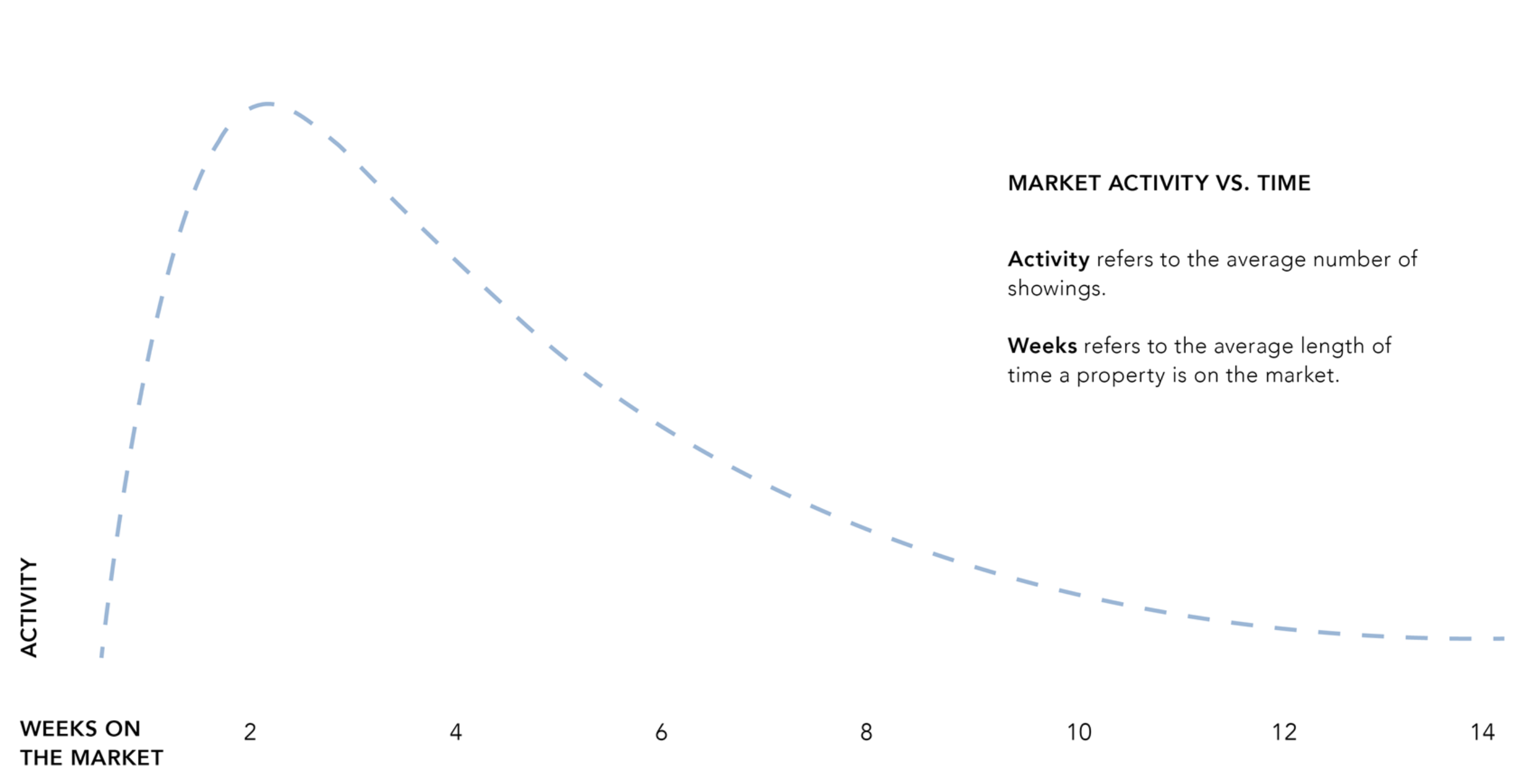
If your home sits for more than two weeks without an offer in a price range where similar properties are moving, the price is the problem. The mistake most sellers make is reducing too little, too late. A single, decisive reduction creates a new event, brings fresh attention, and tends to produce offers faster than a slow drip of adjustments.

How much will I pay in compensation and selling costs?
Colorado sellers typically pay between 6% and 8% of the sale price in transaction costs, including agent commissions, title fees, prorations, and any concessions negotiated with the buyer. Running a net sheet early in the process prevents surprises and helps you make informed decisions about pricing and timing.
If you have a mortgage, your payoff amount is the other variable. Request an up-to-date payoff statement from your lender early in the process.
What’s the most important thing to know about selling a house in Denver right now?
In Denver’s current market, local knowledge matters more than it did when everything was selling regardless. Which micro-neighborhoods are moving fastest? Which price bands have inventory piling up? How are buyers in your range behaving with inspection requests? That’s the kind of knowledge you accumulate by working the market every day, and it almost always comes back to the same place: pricing your home correctly from day one.
If you’re thinking about selling your Denver home and want a straight read on what it’s worth and what to expect, our Denver real estate experts are here to give you one. No strings attached.

Laurel Cisneros




















Socials