

Buying a home is likely the biggest purchase you will make in your lifetime. In addition to putting earnest money down, there are some hidden costs when purchasing a home that can catch you off guard if you're not expecting them. While you're busy saving for your down payment, here are some other financial considerations to keep in mind to stay within your budget.
EARNEST MONEY
When you've decided on your dream home and an offer has been made, you'll pay earnest money to the seller up front once the offer has been approved. This amount is roughly between 1% - 3% of the home purchase price and is separate from the down payment. This deposit shows the seller that you're serious about your plans to purchase the property. In the case of a conventional loan, earnest money goes hard (non-refundable) when all standard contingencies in the contract are fulfilled (inspection, appraisal, and loan). However, often, there can be additional contingencies in the contract that allow for the earnest money to go hard sooner or later than is standard. At closing, earnest money is applied to the settlement statement (cost of home purchase).
HOME INSPECTION
Your general home inspection is just the beginning of the transaction process. This measure allows for the buyer to be made aware of any issues that may bring about unanticipated repairment costs. It is highly recommended to test for radon and have the sewer scoped, each of which will cost an extra $100-$150. If the inspector discovers red flags regarding cracks or mold, it is also a good idea to have a structural engineer or mold specialist inspect the property.
Another thing to consider is that while you may be able to negotiate some repairs or a credit from the seller to address issues found at inspection, your inspector will likely uncover a handful of minor fixes and ongoing maintenance items that you should be prepared to take on yourself. Planning ahead for extra inspections and home maintenance is well worth the added peace of mind.
HOME APPRAISAL
If you are financing any part of the home, your lender will require an appraisal to be sure the value is on par with what you're borrowing. This is an out-of-pocket expense paid to the lender and varies by property, but typically is in the range of $400-$600.

HOME SURVEY
If you are purchasing a property with acreage, or questionable boundary lines, it is recommended to obtain a land survey to make sure you clearly know where the property lines are located. A complete survey involves a professional surveyor who walks the property line according to the legal description and sketches the boundaries, fences, and buildings and can run upwards of $1,500. Sometimes, the lender or title company will require an Improvement Location Certificate. This abbreviated version of a survey typically costs under $400 and is an excellent resource to have, even if the lender does not require it. It can prove to be extremely valuable when making outdoor improvements.
HOA FEES
When buying an attached property or a property in a managed or amenity-based community, you will have to consider the impact of the HOA fees on your buying power. Additionally, some HOAs require upfront deposits and private transfer fees. While these are negotiable with the seller at the time of the contract, it's a good idea to set aside money for these hidden costs. You'll also want to pay attention to what the HOA fees cover. If they include roof and building insurance, you can save money on your homeowner's insurance policy (a hidden bonus).
PRIVATE MORTGAGE INSURANCE
Don't worry if you are unable to put 20% down on your new home. Chances are, you can still qualify for a loan but will likely have to pay Private Mortgage Insurance. This policy is rolled into your total mortgage payment and protects the lender if you become unable to make your payments. Payments can vary and range anywhere 0.1% - 2% of the original loan amount per year. Once you reach 20% home equity either through making mortgage payments or by accruing equity through the real estate appreciation you can remove your PMI by contacting your mortgage servicer.
You are responsible to keep an eye on that number and prompt your mortgage provider when you have met your 20%. Corcoran Perry & Co. agents have access to the perfect resource to keep tabs on that for you, Home Bot. Contact an agent to get your full up-to-date homebot report.
CLOSING COSTS
While the seller typically has the more significant portion of closing costs, buyers must also be prepared for their share. You will need to pay your down payment, lender's origination fees, upfront fees for your homeowner's insurance policy, deed recording fees,transaction closing fee, insurance and propertytax escrow, and any negotiated fees from the contract, including loan discount fees. In some cases, monies due at closing include an upfront HOA payment or deposit, loan discount fees, or a bill of sale for items purchased from the seller. While costs can vary greatly, you should budget anywhere from 3% - 5% of the mortgage amount.
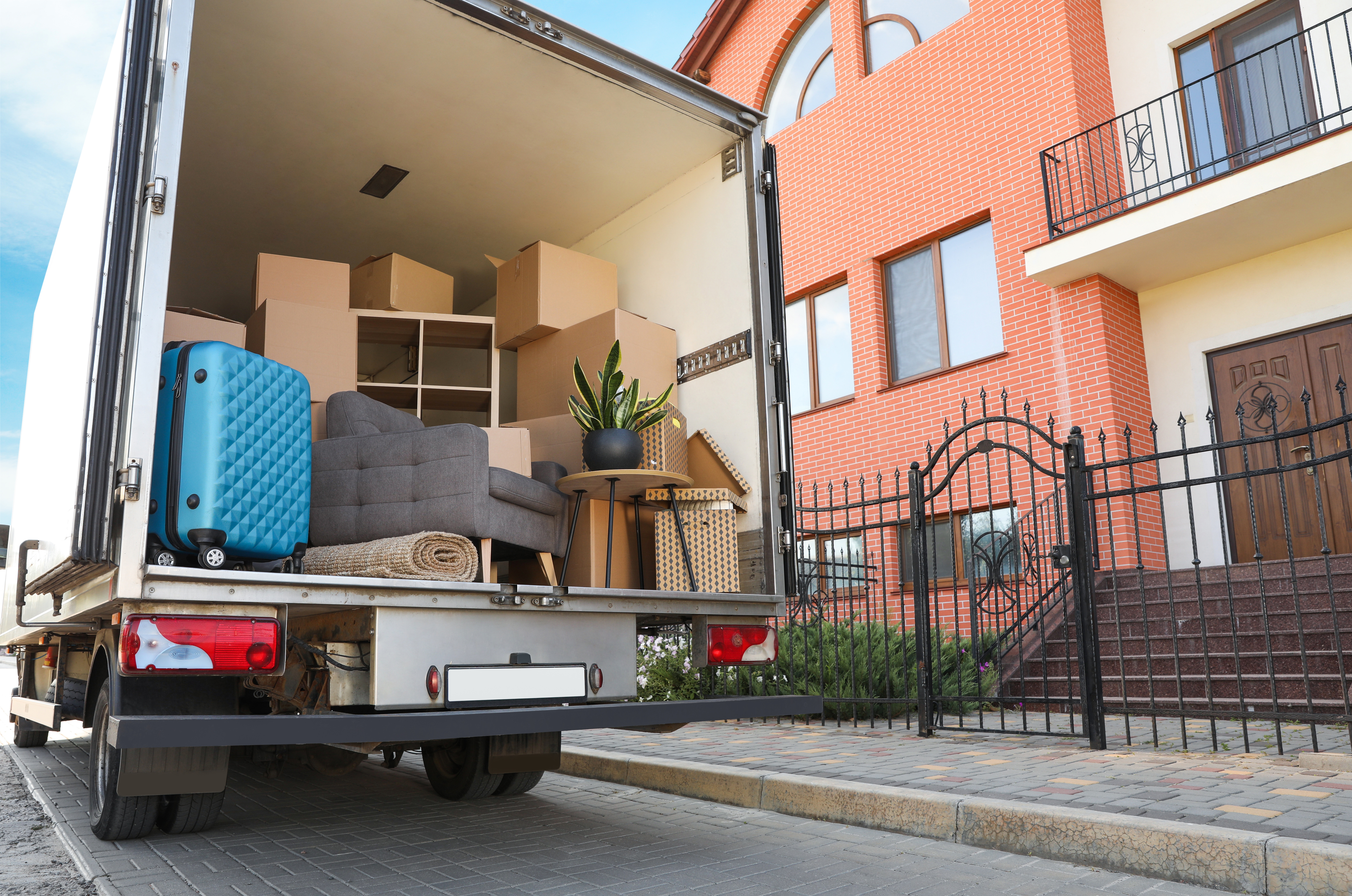
MOVING
Don't forget the cost of the move itself when setting aside money to buy a home. Even if you have some helping hands, the cost of boxes, packing tape, cleaners, and a moving truck adds up quickly. You may also need to supplement your furniture collection to fill your new space and purchase additional household items to get you started. To keep these costs from sneaking up on you, roll them into your home buying budget.
Buying a home is both exciting and stressful. Be extra savvy by anticipating the unexpected hidden costs of buying a home to thwart unpleasant surprises down the road. Sit down with your agent to review all of the potential costs you should anticipate.




















Socials