
It's hard to believe we've just entered the year 2020! The Denver real estate market has certainly changed since the first time the twenties roared, with the most accelerated growth occurring just this past decade. Let's take a minute to reflect on the changes in the Denver real estate market over the last ten years.
Decade in Review
From recession recovery, to accelerated appreciation rates, bidding wars, rapid population growth, and a plethora of new developments, the past decade has been quite eventful for the Denver real estate market. At the start of the decade, 9.8 months of available inventory classified it as an extreme buyer's market with an average price point below $260,000.
Slow and steady growth in 2010 turned into a severe inventory crisis by 2014 and a total flip to an extreme seller's market that lasted well into 2017. The last two years of the 2010's have remained a seller's market, but with more modest appreciation rates, slower pace to contract, and a slightly more even playing field between buyers and sellers. Both home prices and rental rates in the Denver real estate market have increased by 88% since 2010, propelling Denver into the top three for cities with thehighest rent increase in the country.
Throughout the decade, interest rates remained historically low and lending practices vastly improved, creating more buying power and stability for the Denver real esate market. If you bought a home in the past decade and have owned it for over two years, it's likely earned you considerable equity!
The last month of the 2010's
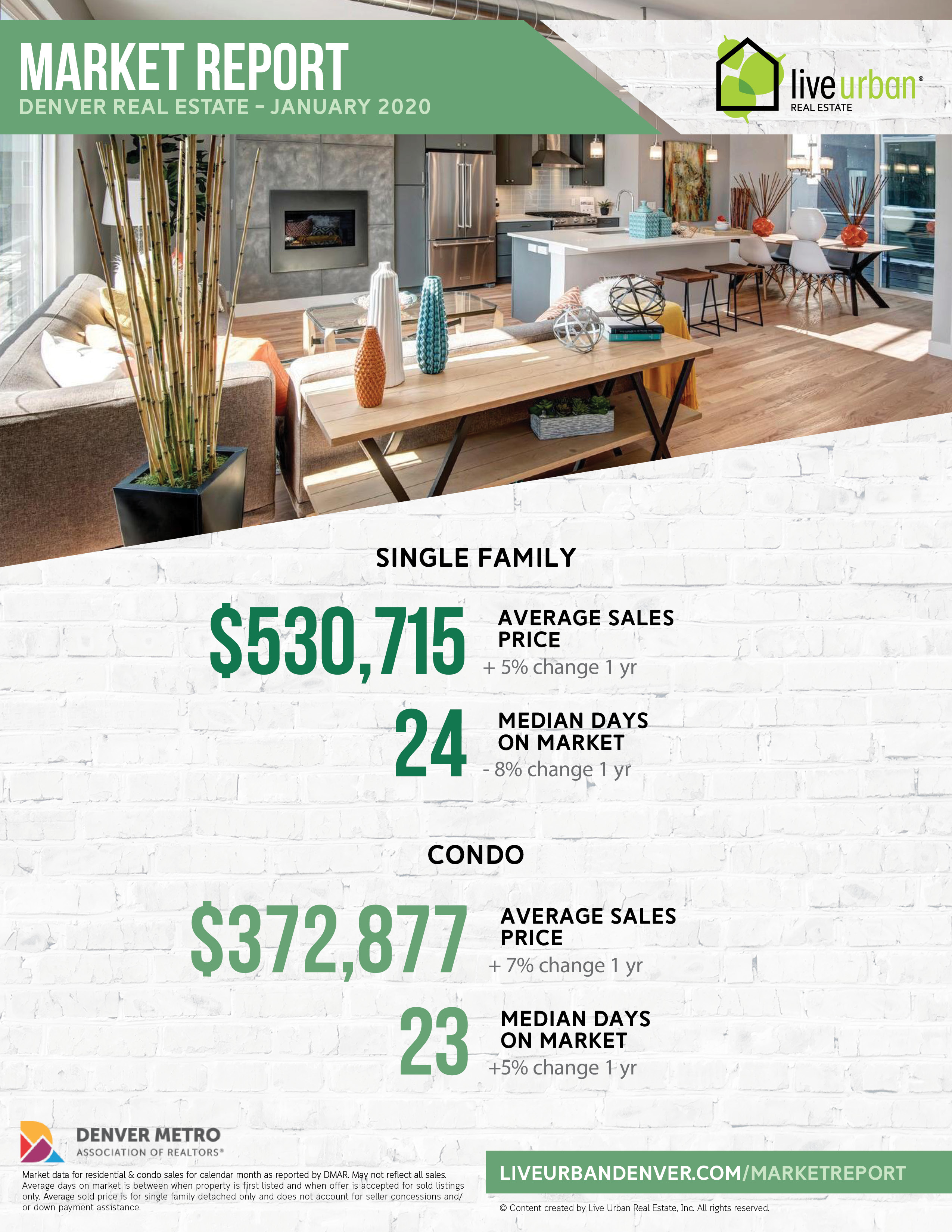
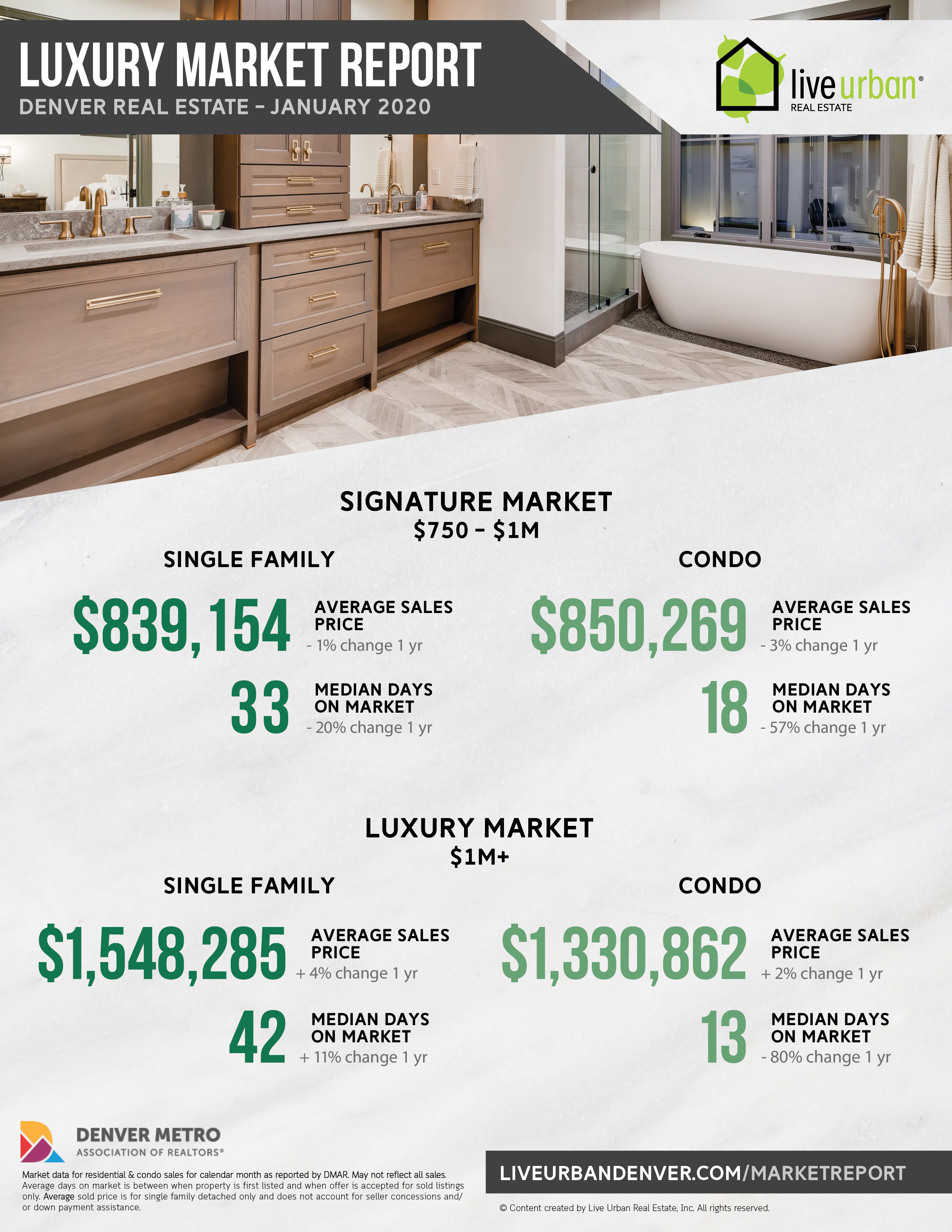
Despite slowed appreciation rates in 2019, home prices still increasedby a respectable 3.2% from December of last year, with the average price for a single family home coming in at $530,715. Historically, we've seen a 12% dip in number of listings as the holidays take center stage in December. This year, that number went beyond the seasonal trend, with an inventory decrease of 28%. In addition, seller concessions to buyers were up 45%. Although we ended the year with 1.8 months of inventory which will keep Denver in a seller's market for the foreseeable future, there seems to be less of an imbalance between buyers and sellers these days than there wasin the middle of the decade.
Recession Talk
Fears of a looming recession made headlines last year, yet consumer confidence has remained high and unemployment continues to hover at a 50 year low, prompting experts to push their recession predictions back. The national inflation rate has also stalled which will keep mortgage rates low and in turn have a positive impact on buyer opportunity and greater purchasing power for the duration of 2020.
Predictions for the Denver real estate market in 2020
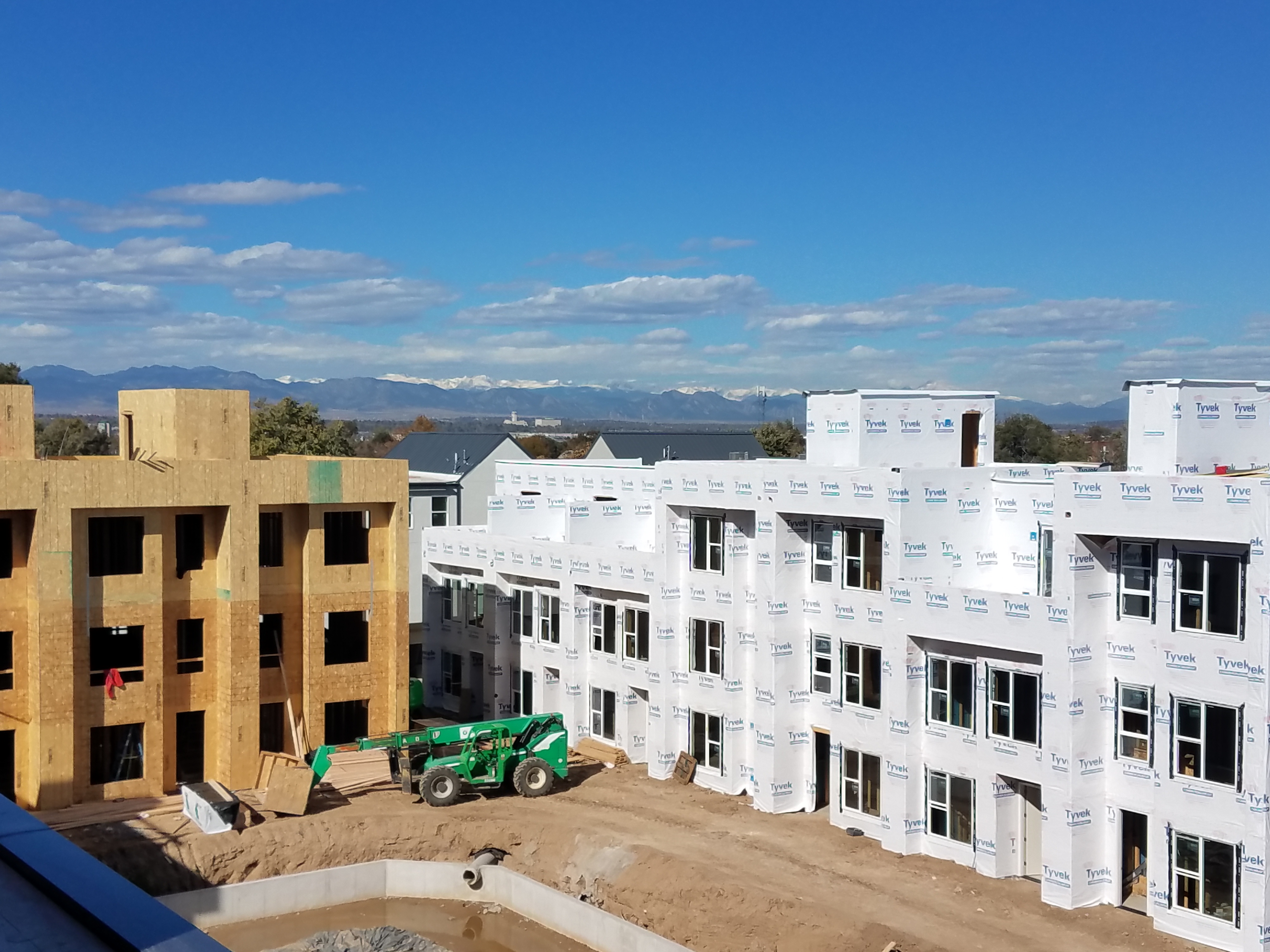
We forsee that supply AND demand will both see an uptick in activity this year. Buyers will continue to take advantage of low interest rates, including the largest class of millenials which is expected to enter the housing market this year. Housing permits in Denver are also up which means more inventory for those buyers to put under contract. This year could prove to be opportunistic for first-time homebuyers in the Denver real estate market as well. With the resolution of the builder defect laws, many new developments are once again targeting entry level price points, a welcome change for buyers eager to enter the market and own their first home.
Appreciation and days on market will remain highly neighborhood specific. Keep an eye on our Denver Urban Real Estate Index for quarterly updates on all of Denver's unique neighborhoods.

High consumer confidence, buyers incentivized by low mortgage rates, and builders contributing to increased inventory will all keep the Denver real estate market healthy and active this coming year.
Recommended Reading
5 Reasons to List Your Home This January

















Socials