
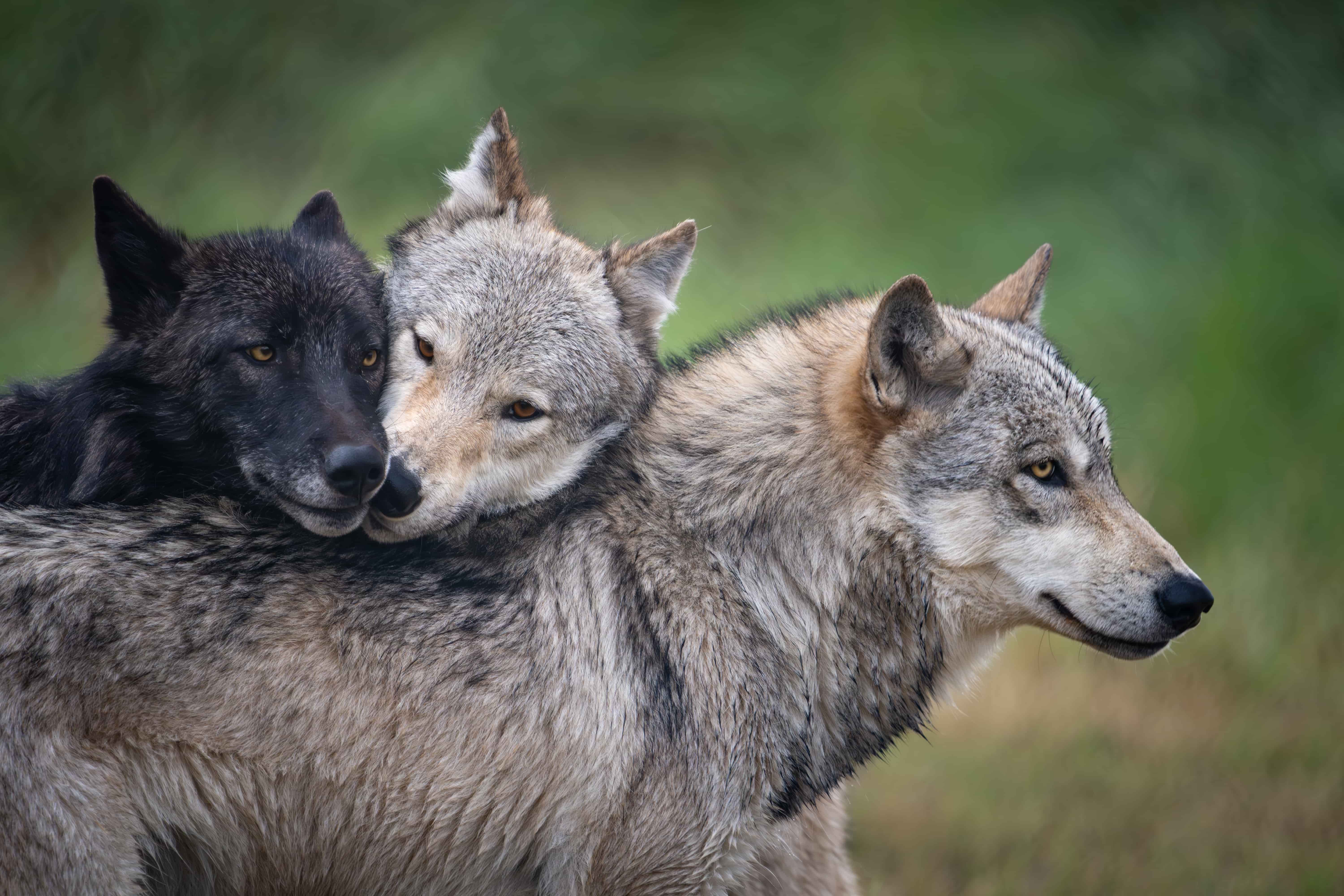
Colorado wolf reintroduction started with the narrow 2020 ballot initiative that required the state to restore gray wolves by the end of 2023. It passed by a margin tight enough to reveal a state split not on science, but on identity. Urban counties voted yes. Rural counties voted no. The mandate stuck.
Long before the 2020 vote, wolf eradication programs, habitat loss, and prey decline drove the population to extinction. The last known wolf in Colorado was killed in the 1940s. By the late 2010s, wolves had returned to other states where they had previously been eradicated. But, permanent wild packs eluded Colorado, leading animal and nature advocates to put forth a state-wide wolf reintroduction vote.
Releasing the Wolf Pack
The state met the deadline. Colorado Parks and Wildlife released the first wolves in December 2023 and continued into 2024. Reports from the agency show a methodical rollout: capture in Oregon, transport to Colorado, collaring, monitoring, and release. No fanfare. No spectacle. Just a legally required handoff of an apex predator that is used to traveling long distances and has limited interest in people.
By February 2025, CPW said it had “successfully completed the second year of gray wolf reintroduction efforts,” a bureaucratic phrasing for a process being watched far more intensely by residents than by the wolves themselves.
On-the-Ground Reality
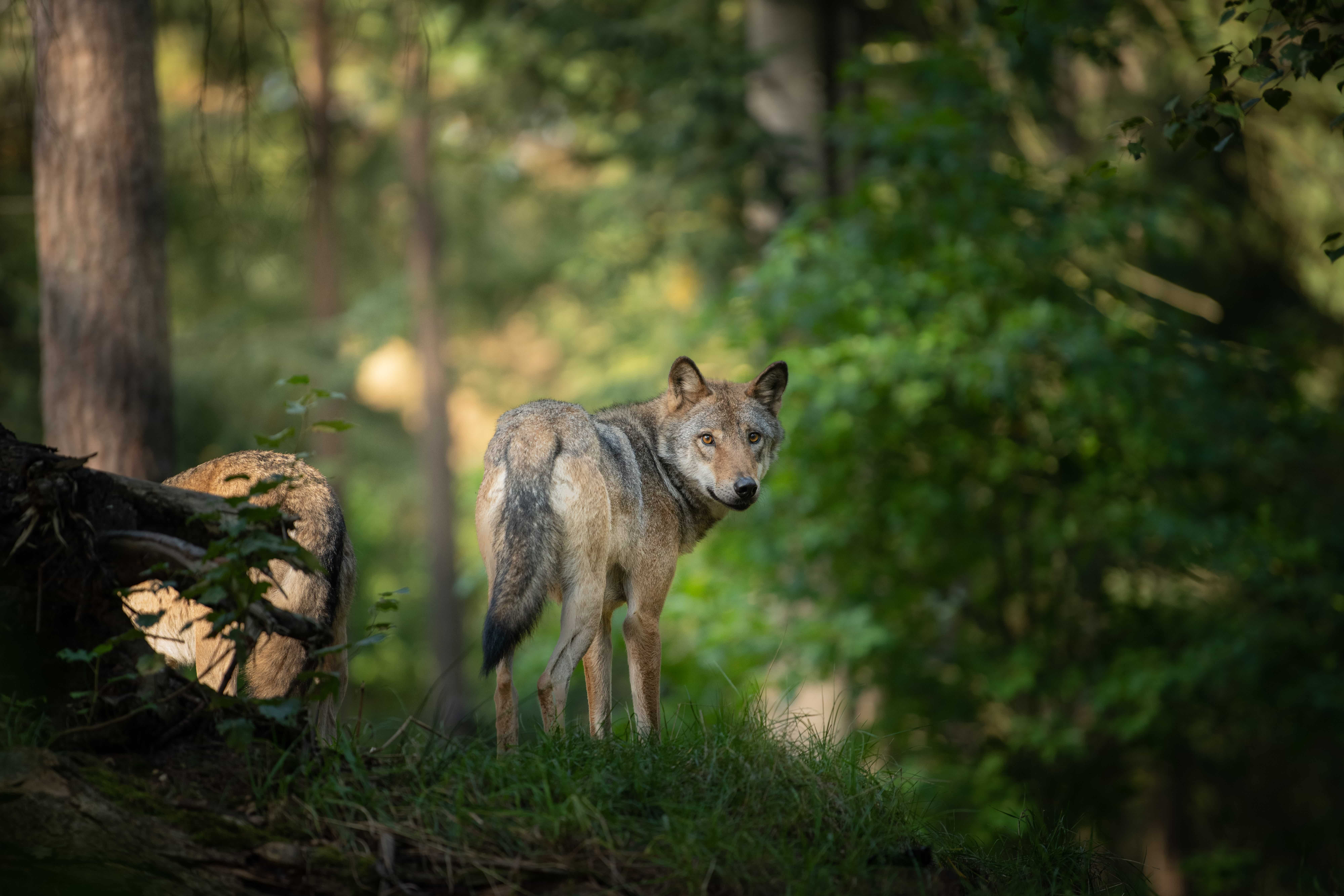
The behavior of the released wolves matched what biologists expected. They traveled at night, remained hard to observe, and showed the kind of dispersal patterns typical for newly relocated animals. Their presence registered mostly through collar pings and occasional track confirmations.
The outcomes, however, have not been tidy. According to reporting from Colorado Newsline this summer, eight of the first 25 relocated wolves have died, a mortality rate of roughly 32 percent. Several causes contributed: health complications, predation from other wolves, and one highly publicized case involving jurisdictional conflict. In March 2025, the AP reported that a collared Colorado wolf was killed in Wyoming after being implicated in sheep depredations. It crossed the border, entered a different management system, and met a different outcome.
No new pups were confirmed in the first year. Ecological shifts, if they come, will not appear on a fast timeline.
Centennial State Ecology
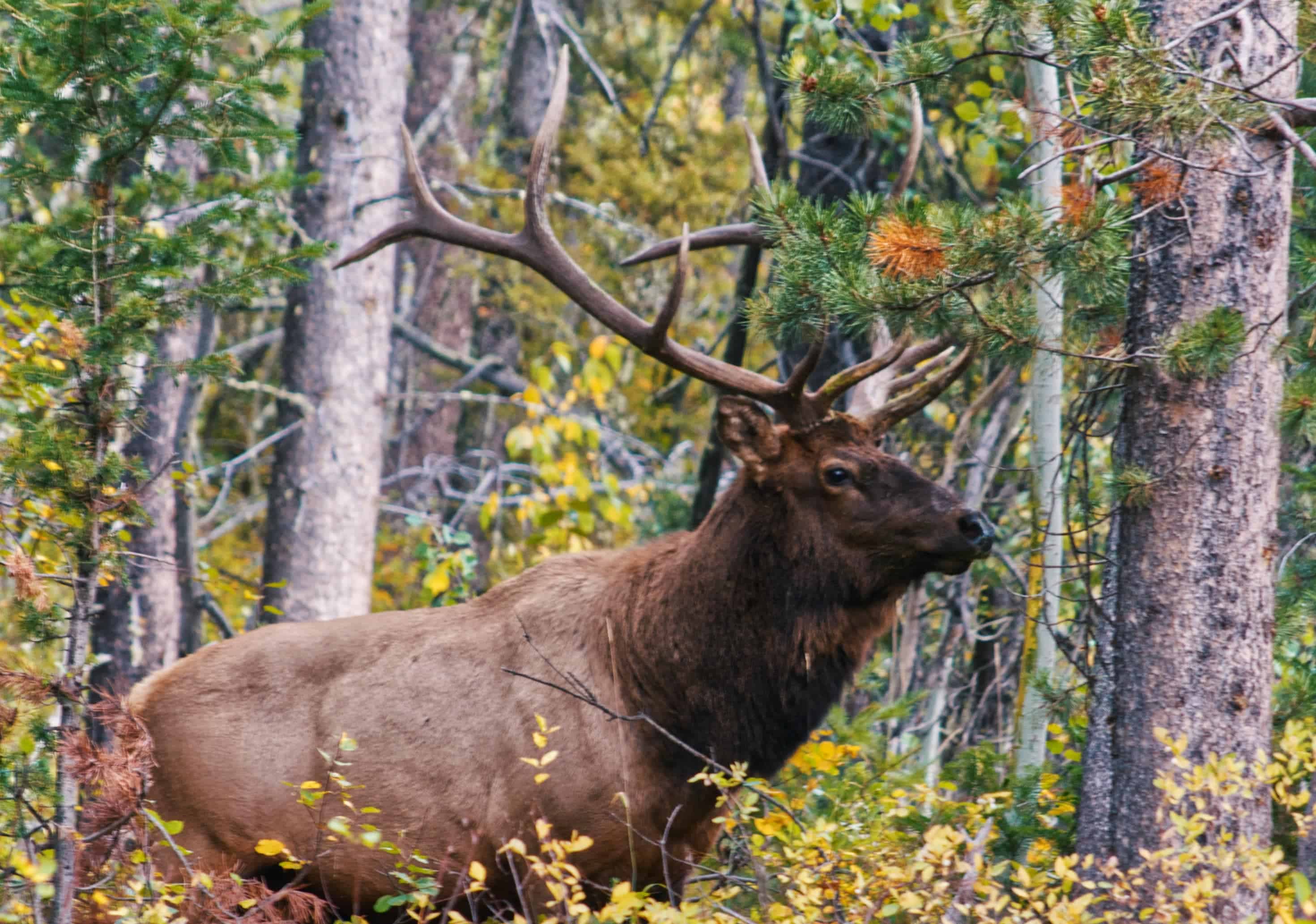
Colorado wolf reintroduction is also about restoring a missing component of the ecosystem. The science behind it is straightforward. In regions where wolves have been absent, elk and deer tend to stay longer in the same areas, especially near water or young vegetation. Over time, this can reduce plant diversity, limit willow and aspen regeneration, and narrow habitat for other species.
Wolves change those patterns. They influence where elk and deer spend time and how long they linger in specific areas. The effect is not dramatic. It is gradual and shows up first in field measurements rather than in obvious visual shifts. These behavioral adjustments can improve conditions for vegetation, songbirds, beavers, and other species that rely on healthier riparian zones.
Colorado’s biologists are clear that this is a long-term process. CPW’s 2025 update reiterated that ecological benefits will take years to measure and may vary by region. Early indicators will be subtle: changes in browsing pressure, small increases in plant recruitment, or new patterns in elk movement logged by GPS collars. The goal is not a dramatic transformation but a more functional system in which wolves, elk, and deer interact in ways that reflect their historical roles.
The state is tracking these outcomes alongside conflict data. Both sets of information will determine whether the reintroduction meets the objectives voters approved in 2020.
Ranching, Compensation, and Everyday Impact
On the Western Slope and in North Park, Ranchers track depredation reports as closely as biologists track collar signals. CPW confirmed multiple livestock losses within the first year and processed compensation claims, though the system has drawn criticism for underestimating secondary impacts. Verifying a kill requires time, documentation, and fast reporting. The paperwork does not account for the quieter fallout: herd stress, missed breeding cycles, and labor spent on monitoring rather than operations.
The state is experimenting with mitigation strategies. In September 2025, Colorado tested drones as a non-lethal deterrent to push wolves away from cattle, part of a multi-year study. Range riders have also been funded, though coverage is inconsistent across operations. The toolbox is expanding, but not quickly enough for some producers.
Public Opinion: Support, Uncertainty, and a Persistent Urban–Rural Divide
Colorado wolf reintroduction continues to reveal a stark difference between how the Front Range and rural areas interpret “wildlife management.” A September 2025 poll published by The Colorado Sun found 53 percent of voters still support reintroduction, while 37 percent oppose. Support remains highest in urban and suburban regions, where conflict with wolves is largely theoretical.
Researchers at Colorado State University released a study in 2025 showing that public engagement improved during the planning process, but deep skepticism remained among rural stakeholders who felt the policy was driven by people unlikely to experience direct impacts. The findings matched the sentiment expressed at nearly every CPW meeting: people are not arguing about wolves. They are arguing about who gets to decide what Colorado becomes.
Interstate Politics and the Logistics of Wolves
Colorado’s second phase of reintroduction hit an unexpected snag when Washington state formally declined Colorado’s request for up to 15 donor wolves in late 2025. Washington cited internal opposition and political pressure. The decision left Colorado with fewer options and underscored the multi-state complexity of restoring an animal that does not respect political boundaries.
CPW has said it still intends to bring in approximately 15 more wolves, but sourcing remains uncertain. The management plan always assumed cooperation from other Western states. It is now negotiating the reality that not all states are willing participants.
A Slow, Administrative Rewilding
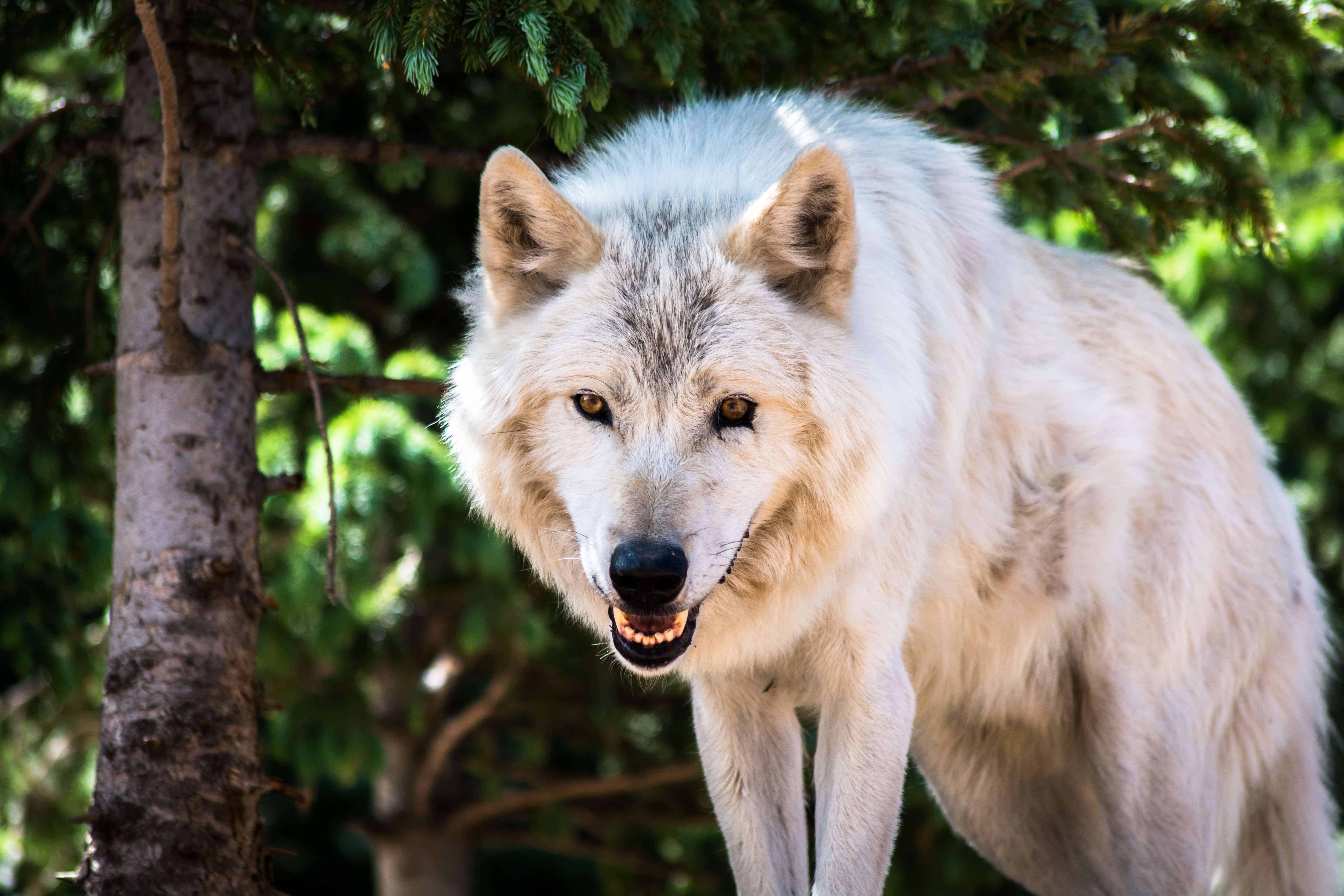
Despite the attention, most Coloradans will never see a wolf in the wild. The species prefers solitude and distance from humans. Their movements show up mostly as location points on CPW maps or occasional headlines after a depredation investigation.
What Colorado is experiencing is a bureaucratic reintroduction, not a romantic one. Wildlife managers issue updates. Livestock producers file reports. Legislators debate funding and enforcement. Ecologists track data. And the wolves, unaffected by the discourse, continue adjusting to a landscape that is familiar in shape but not in politics.
The long-term effects will take years to read. Packs will form and disperse. Conflicts will rise and fall. Support will fluctuate. And the ecological impacts will be incremental rather than dramatic.
Colorado made a commitment in 2020. The wolves arrived. Now the state is learning how to live with the consequences.
How that balance settles is still unclear.
If you're ready for a home where the howling stops at the treeline, we’ll help you claim your next Rocky Mountain basecamp. Connect with a Colorado home expert

Laurel Cisneros



















Socials