
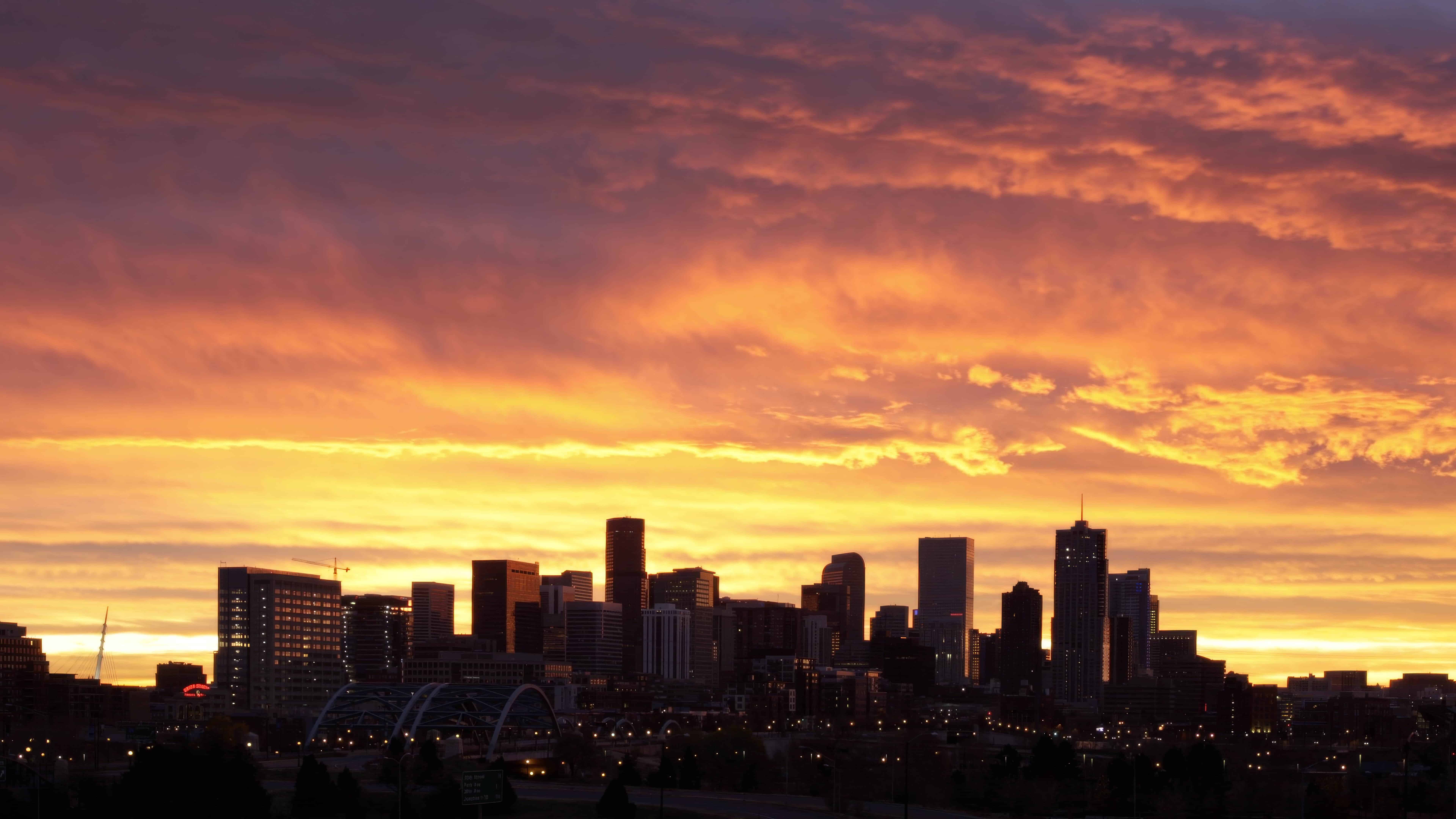
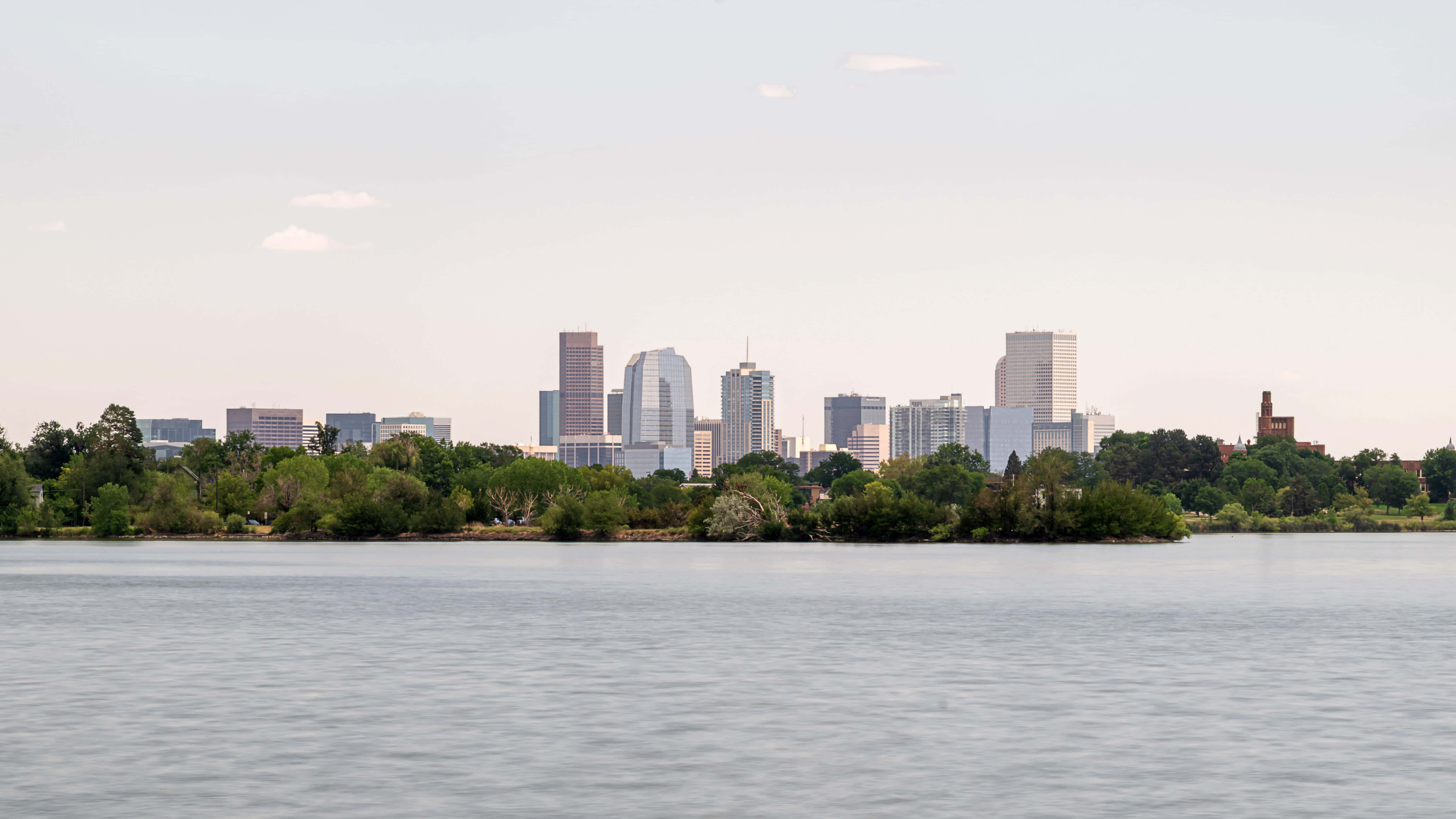
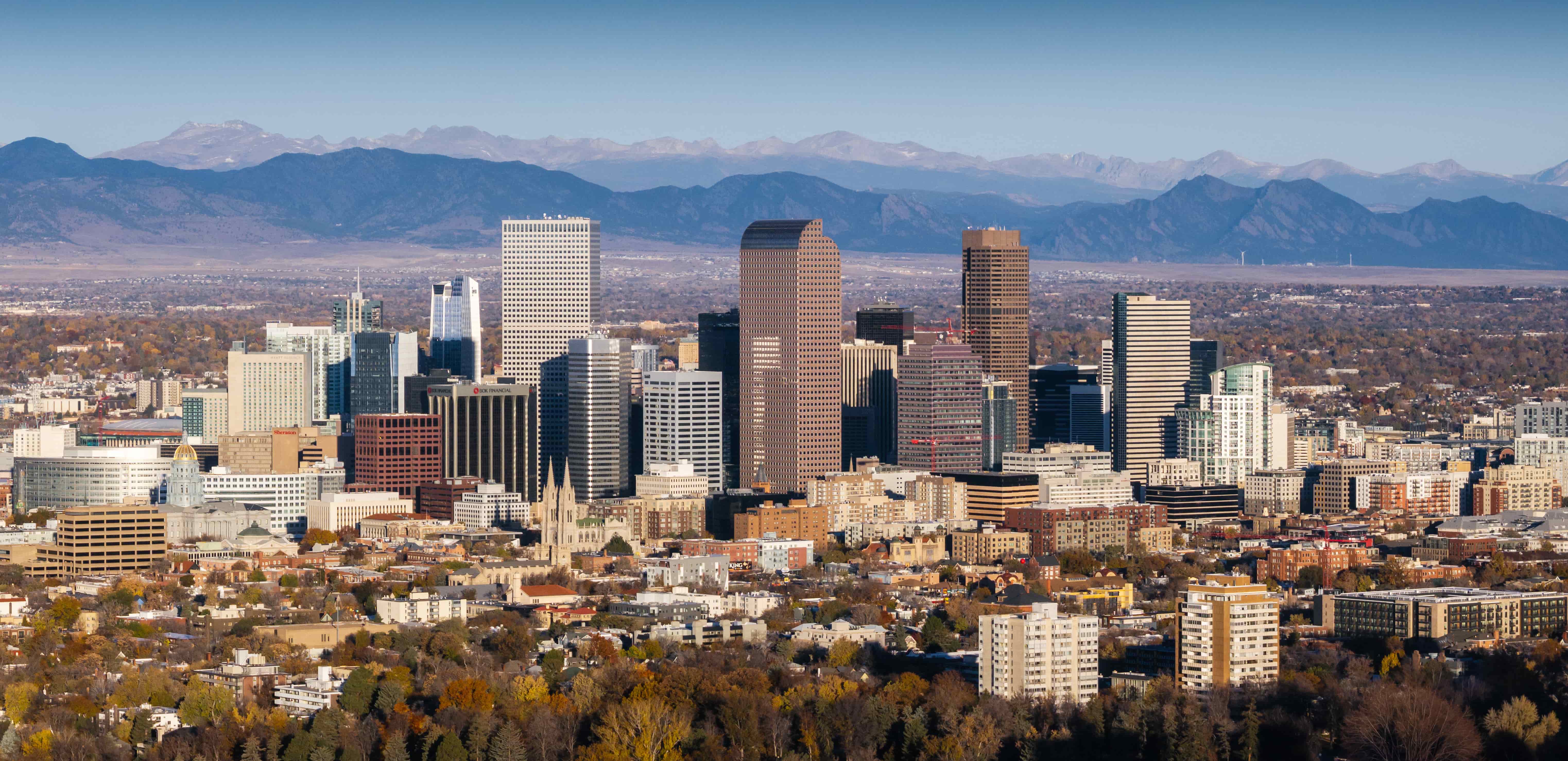
When people picture Colorado architecture, they tend to think of Denver’s glass angles, Boulder’s solar confidence, or the politely rustic modernism of every new build from Golden to Fort Collins. But move a few hours in any direction, and the geometry changes. The skyline shrinks, the materials simplify, and design stops trying so hard to impress. Outside the Front Range, architecture isn’t an act of expression so much as an act of endurance.
Creede: Buildings by Attrition
In Creede, where cliffs fold in like curtains, the buildings cling to the mountains in ways that look accidental and deliberate at once. A miner’s boarding house turned gallery here, a clapboard façade painted so many times the wood grain is more memory than material. It’s architecture by attrition; what’s left standing after the snow, wind, and economic optimism have all taken their turn.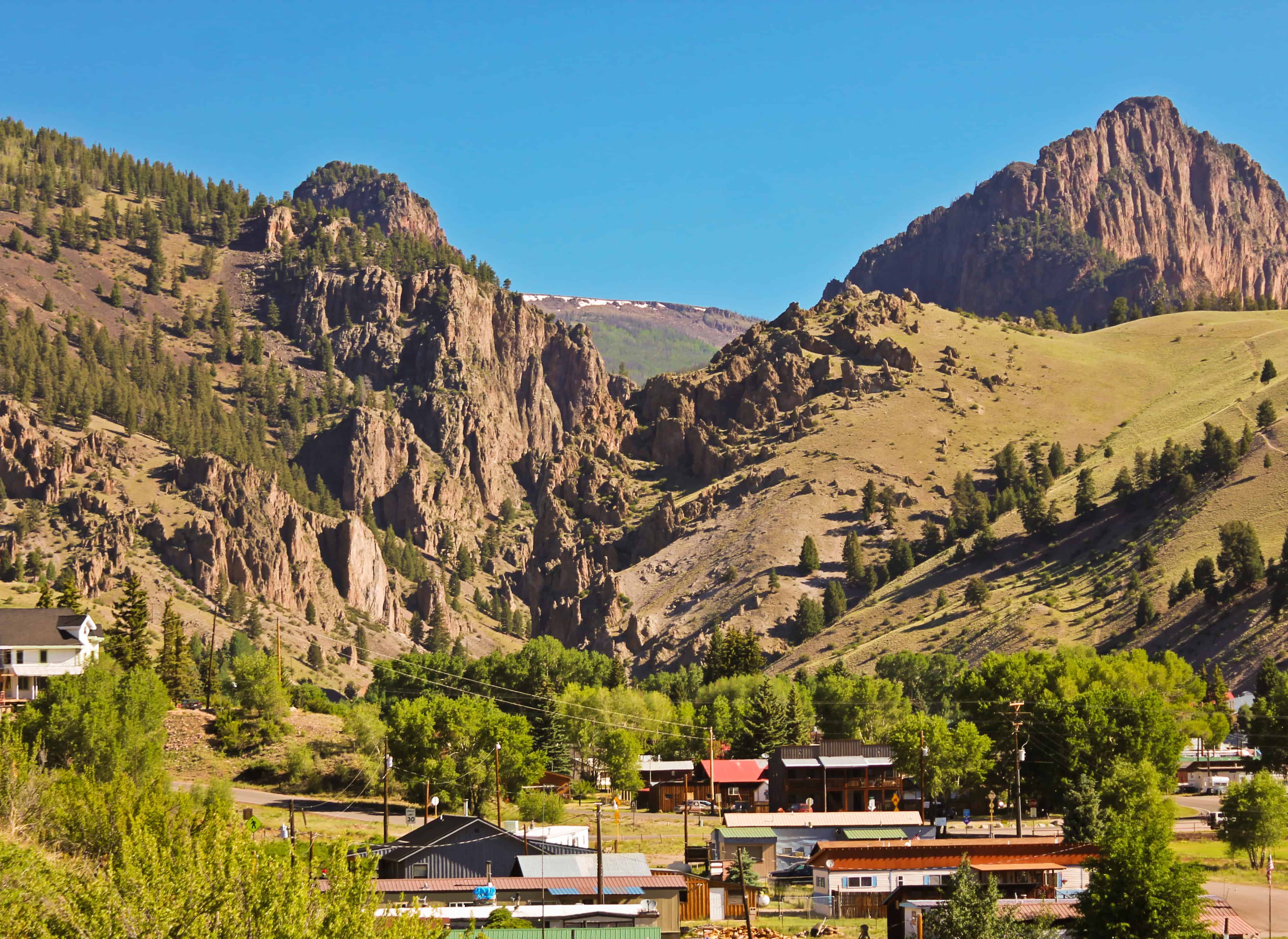
Ouray: Ornament Against Granite
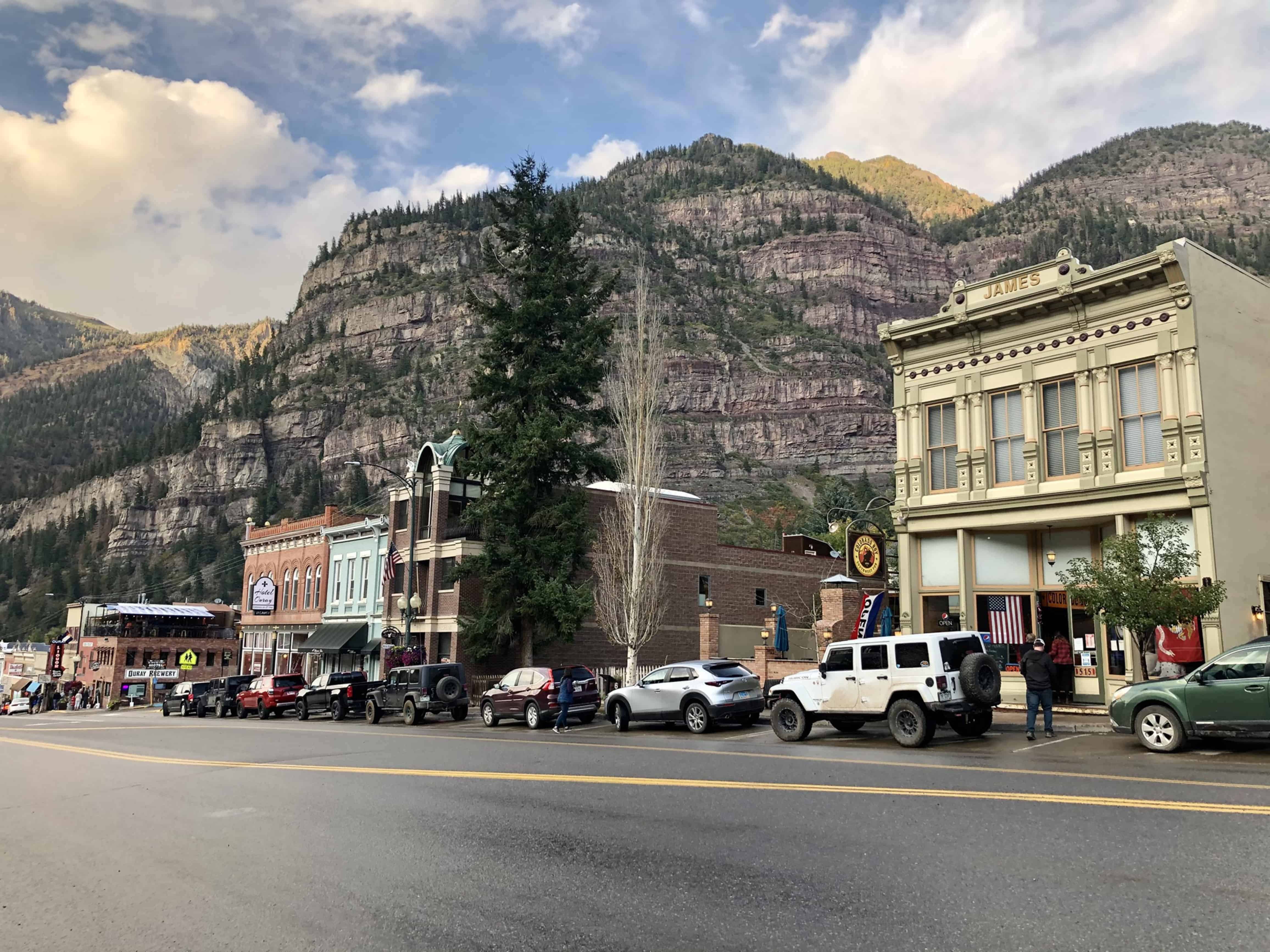
Head southwest to Ouray, and you find a different story. The town wears its Victorian past like a corset: tight, ornate, a little impractical. Brick hotels and gingerbread porches reflect a time when architectural embellishment was both a civic duty and a form of bragging rights. Yet somehow, they remain charming, less because of nostalgia and more because of the incongruity… the frills against the granite, the lace beside the avalanche chute.
La Junta: Lessons in Adobe
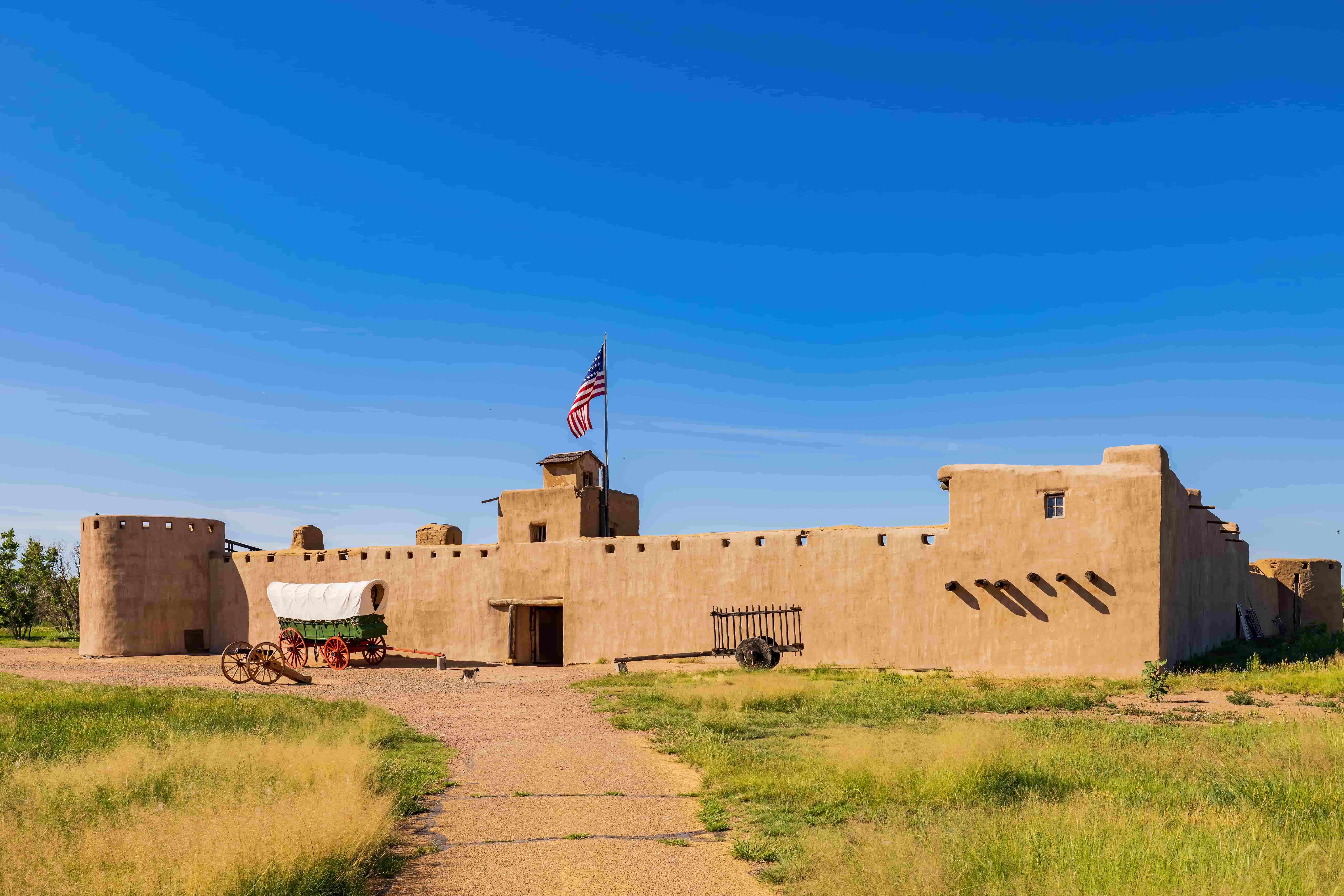
Further east, in La Junta, the conversation turns to adobe. Thick-walled homes and mission-style schools seem to absorb the sun itself, radiating a slow warmth that synthetic insulation will never replicate. Here, architecture isn’t about inspiration but adaptation, borrowing from centuries-old design logic that understood the land long before air conditioning existed. The Fort Bent replica, with its earth-toned mass and fortress curves, stands like a monument to function over flourish.
The Plains: Modernism Without the Manifesto
If the mountains give us drama, the plains give us restraint. In Yuma or Wray, the best architecture might be a grain elevator. These silver giants have the simplicity of a Mies van der Rohe sketch and none of the pretense. They don’t try to look timeless; they simply are. Even the farmhouses (white paint, square windows, one good porch) feel unburdened by the need to be reinvented. Out here, modernism arrived without the manifesto.
Paonia and Hotchkiss: Rural Modernism Grows Up
In Paonia and Hotchkiss, new generations of builders are experimenting with something interesting: rural modernism that doesn’t condescend. Think corrugated steel, reclaimed wood, and glass… but deployed with modesty, not money. Barn conversions, solar cottages, straw-bale studios. They nod to sustainability without shouting it. Architecture that understands virtue doesn’t need an influencer.
Leadville: Pastel Victorians in Thin Air
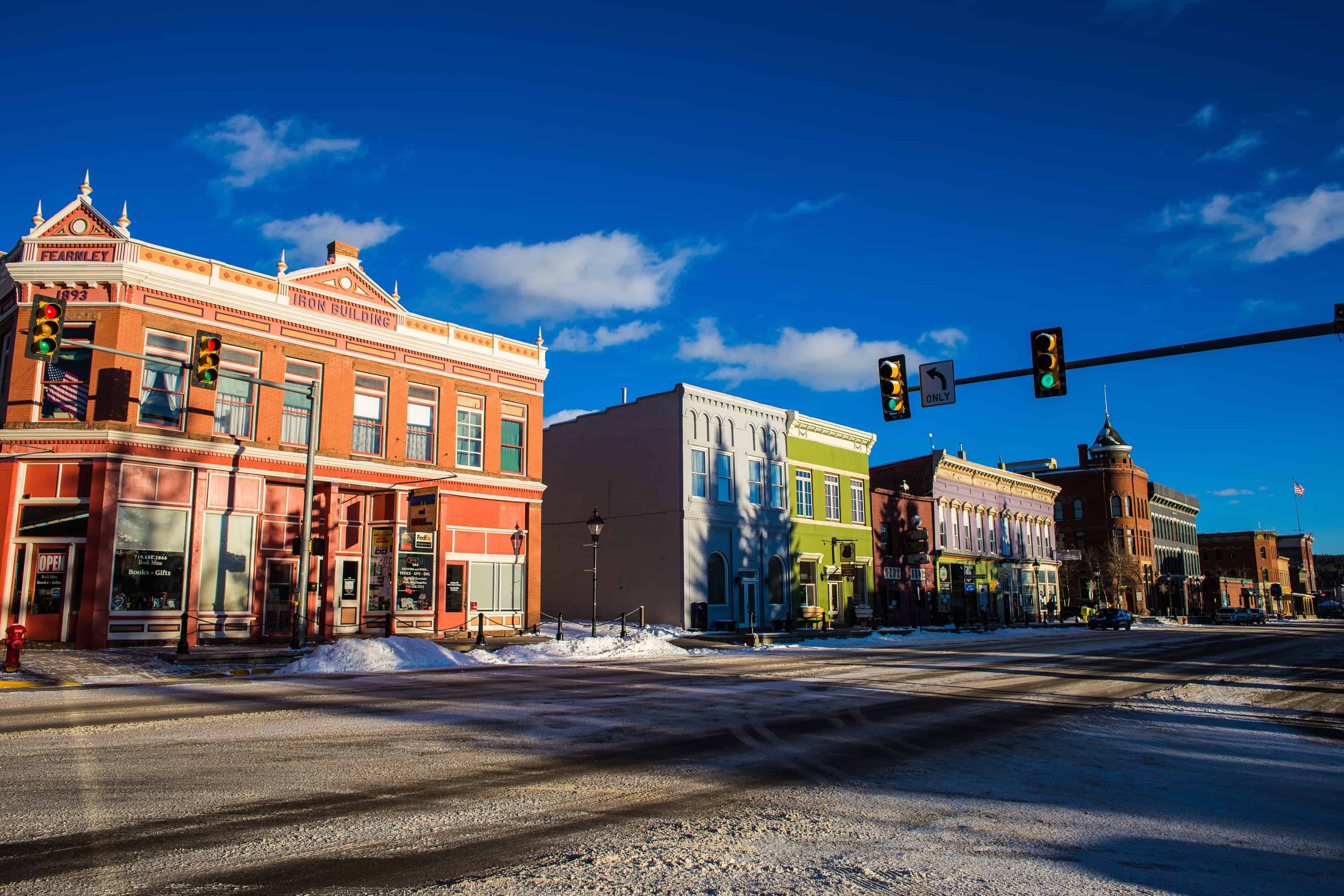
Meanwhile, Leadville stands as a visual argument for contrast. The pastel Victorians and ornate brick buildings sit 10,000 feet above sea level, like relics of a more optimistic barometer. Walking its streets feels like paging through a high-altitude scrapbook: a turret here, a faded opera house there, all anchored by the kind of horizon line that plains architects dream about.
Trinidad: A City That Rewrites Itself
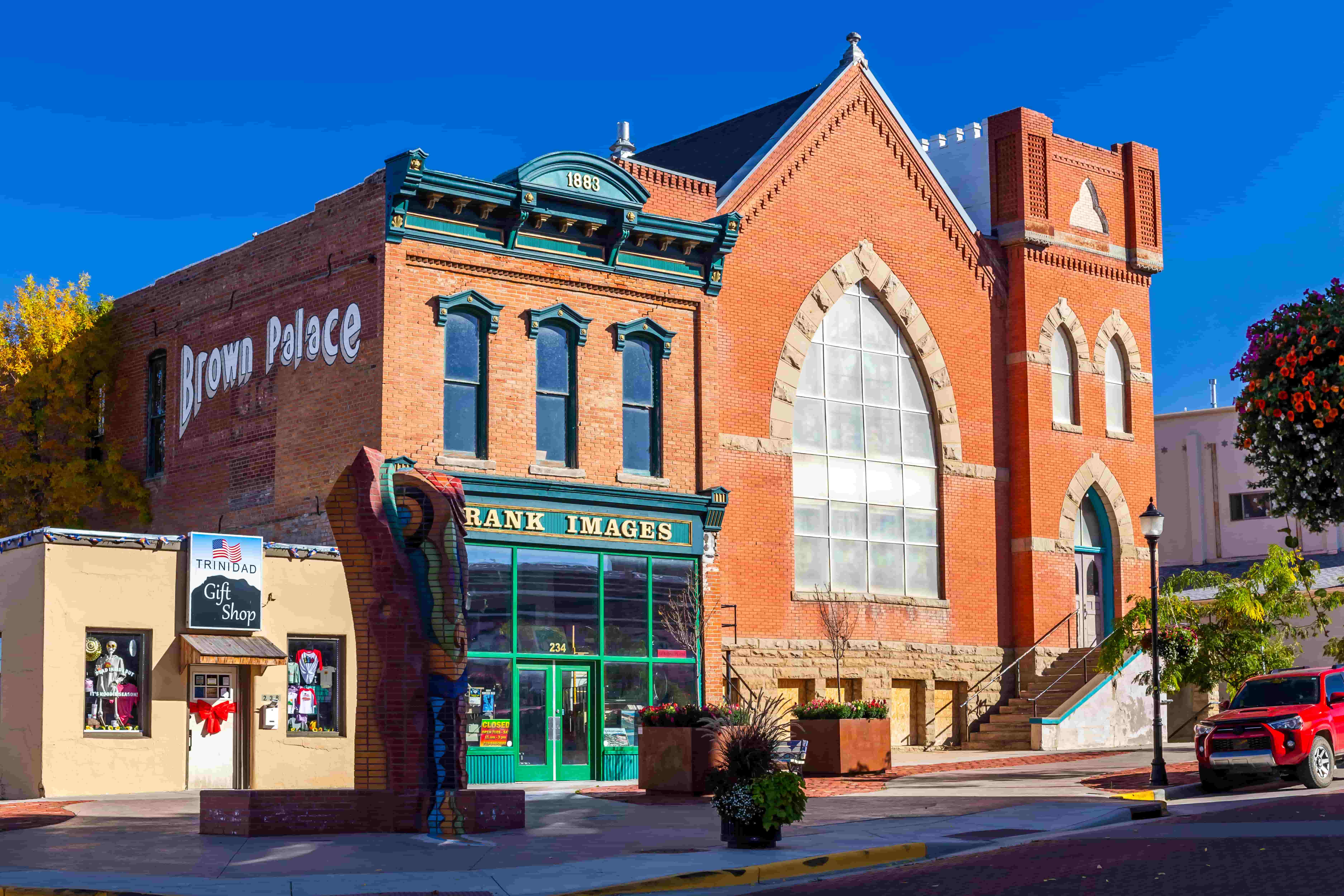
Then there’s Trinidad, where a late-19th-century boom left a strange architectural hybrid. Italianate façades, sandstone storefronts, and a Main Street that looks borrowed from three different centuries. The town has quietly become a canvas for adaptive reuse: artists and preservationists turning old banks into studios, Masonic lodges into event spaces. Architecture here isn’t just restored; it’s reinterpreted.
The San Luis Valley: Faith, Metal, and Mystery
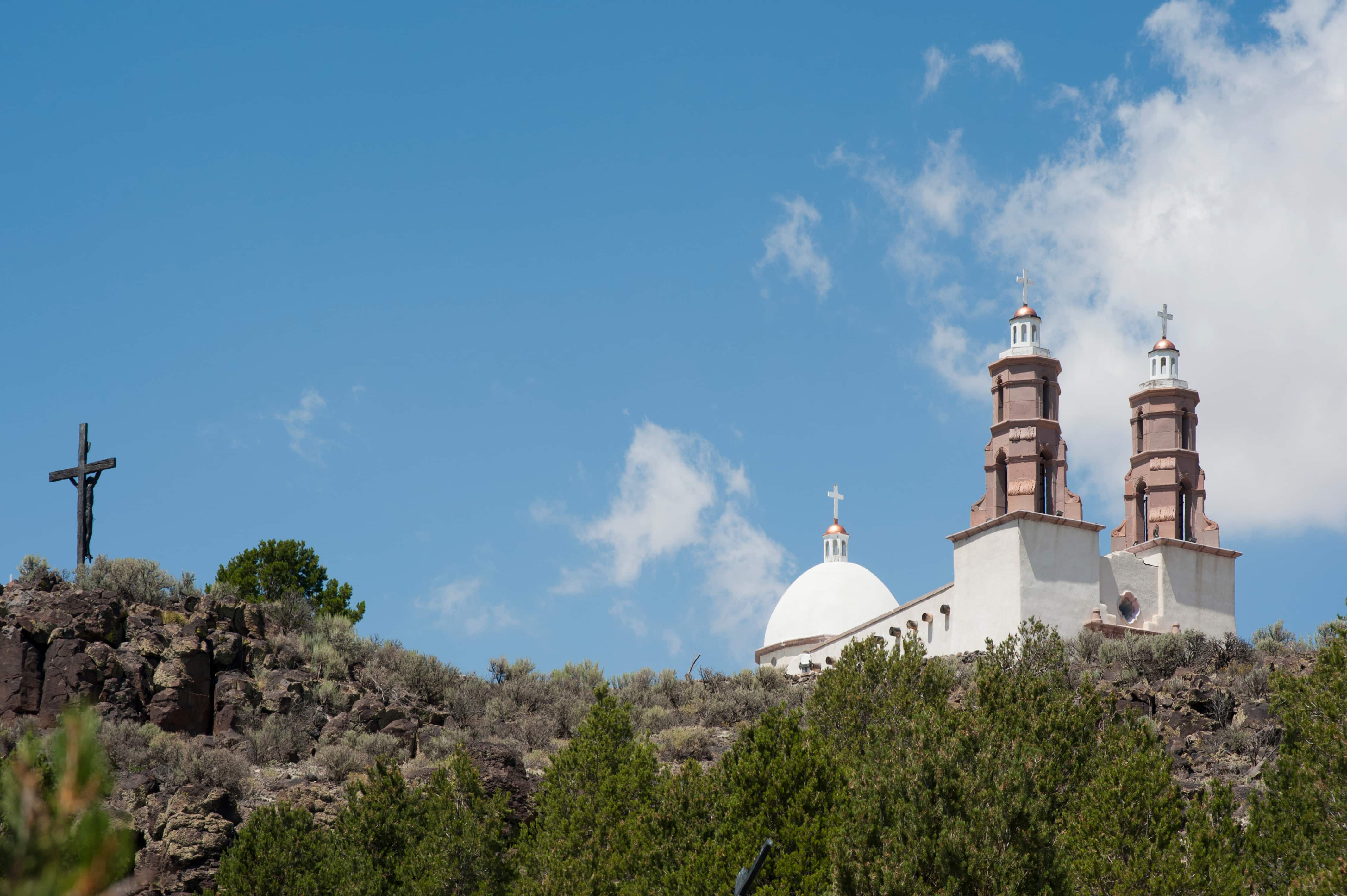
And in the San Luis Valley, architecture flirts with the surreal. The Shrine of the Stations of the Cross rises over San Luis like a desert cathedral, stark against the sagebrush. Nearby, the UFO Watchtower offers another kind of spirituality: welded metal and whimsy. Together they form an unlikely dialogue between faith and curiosity — two foundations Colorado was practically built on.
The Common Thread: Belonging Over Bravado
If Colorado’s architectural story has a throughline, it’s humility. Buildings bow to weather, geography, and history. They don’t dominate the view; they coexist with it. Architects here tend to work with constraint rather than against it, designing for long winters, thin air, and the particular way light shifts over sandstone and snow. The beauty is less in the blueprint than in the endurance.
Architecture in this state rarely tries to be iconic. And yet, it achieves something harder: belonging. From the weathered porches of Silverton to the glass-walled studios of the San Luis Valley, these structures are acts of quiet coherence. They fit. Which, in a world full of architectural ego, might be the highest compliment.
The next time someone says “Colorado architecture” and means Boulder’s flat roofs or Denver’s skyline, you could correct them. Or you could just take them to Creede and let the buildings do the talking.
If form, function, and a front porch view sound like your kind of architecture, one of our Colorado real estate agents can help you make it yours.

Laurel Cisneros













Socials