
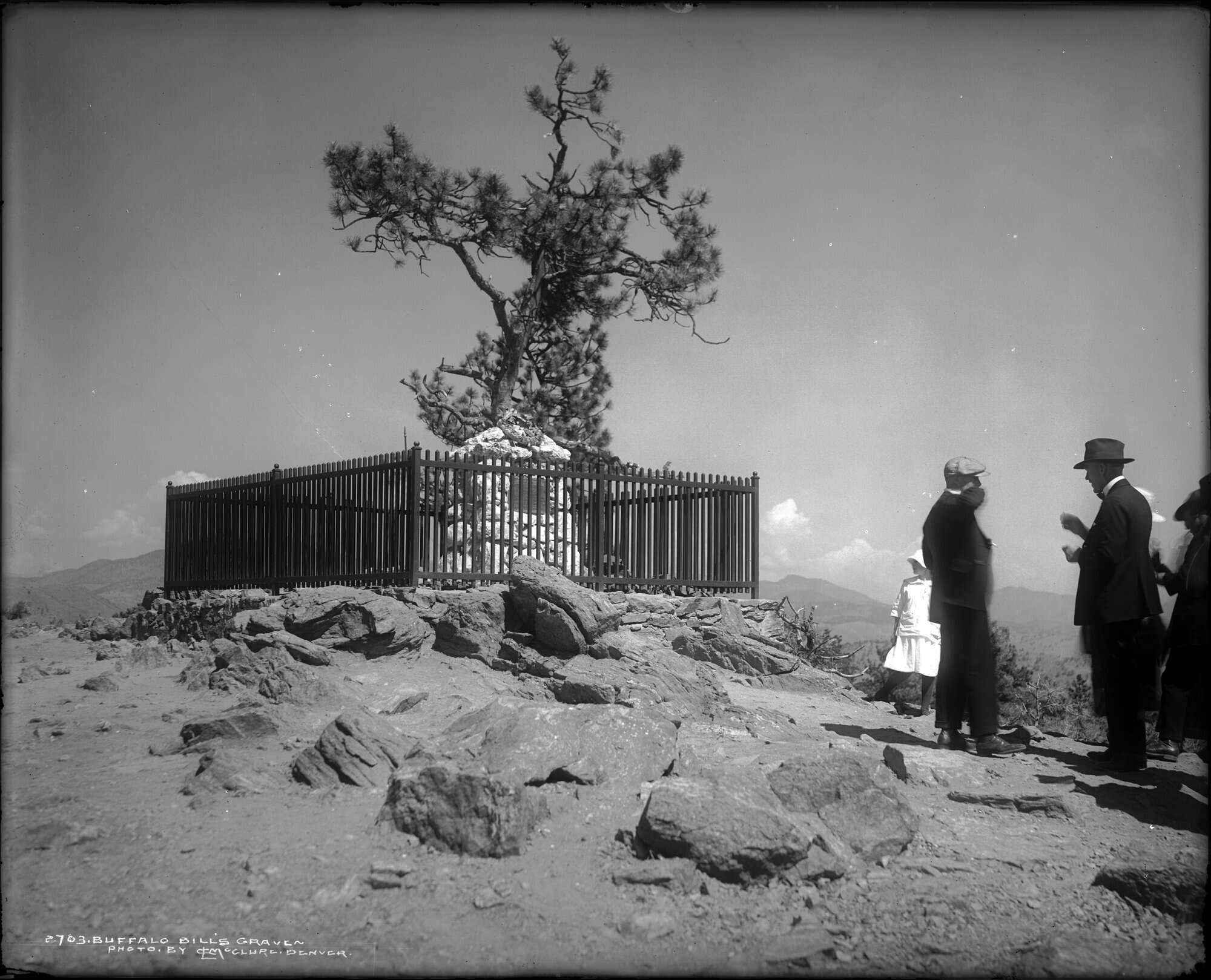
 Buffalo Bill's Grave. Photo credit: Denver Public Library Special Collections.
Colorado remembers its dead in style. The state’s history isn’t tucked away in textbooks so much as it’s carved into granite and lichen, on windswept hillsides and beneath improbable aspens. Every grave tells a version of how the West was lived and, as the case may be, how it wasn’t (lived). Some markers honor ambition, others rumor; a few hold the weight of courage, injustice, and unfinished reckonings.
From the gunslingers and silver barons to the diplomats, abolitionists, and soldiers of conscience, Colorado’s graves tell the story of how we got here.
Colorado Graves: Six Feet Deep But Still Talking
Chief Ouray & Chipeta - Montrose
This grave breathes diplomacy. Chief Ouray of the Uncompahgre Ute was known for his intellect and restraint, leading his people through relentless pressure from a government that kept moving the goalposts( and the borders). His wife, Chipeta, matched him in influence and grace.
Their memorial park outside Montrose sits on their former homestead, now part of the Ute Indian Museum. It’s a quiet place, more classroom than crypt. The lesson: treaties can be broken, but dignity is permanent.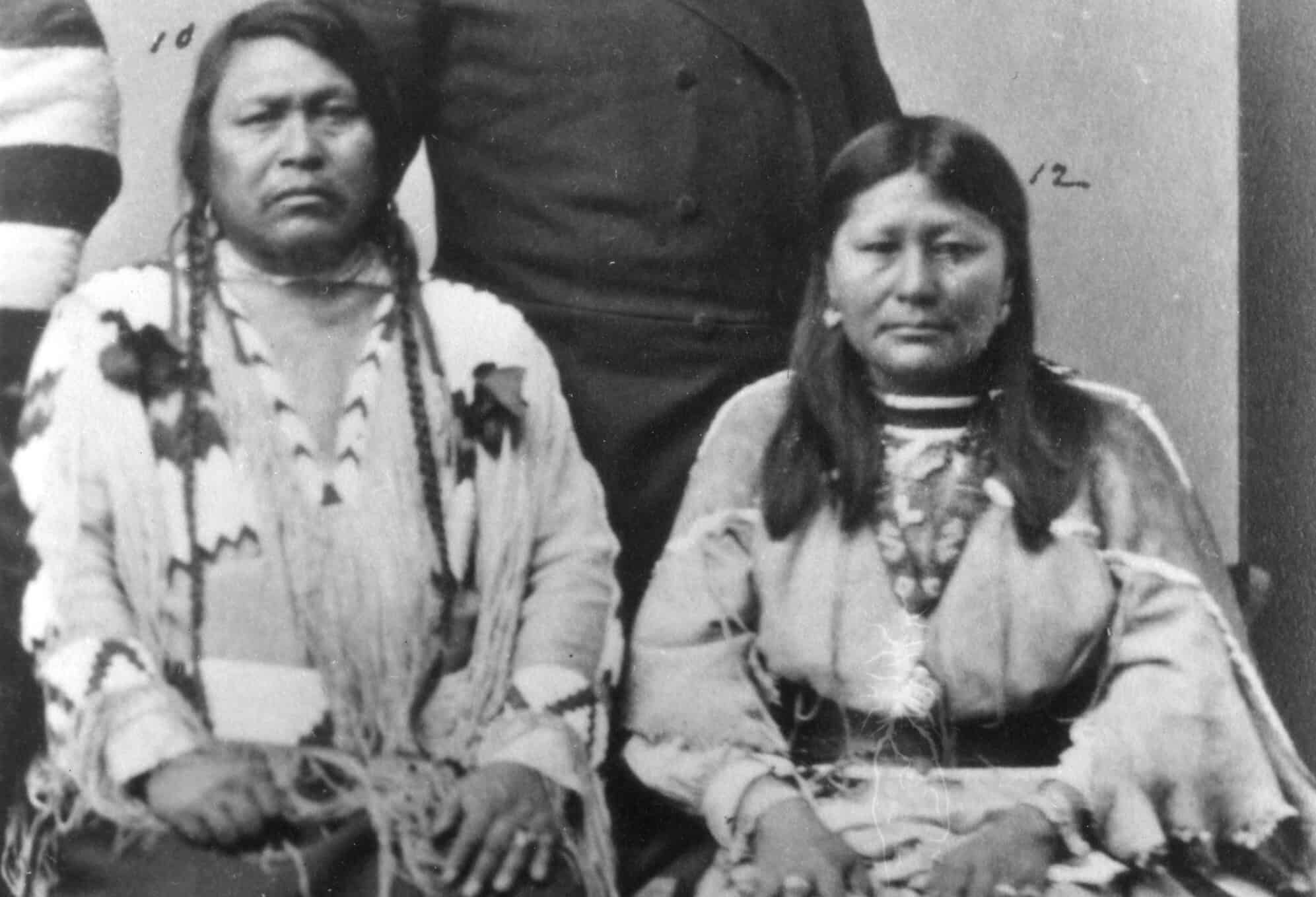 Chief Ouray and Chipeta. Photo credit: Denver Public Library Special Collections.
Doc Holliday - Glenwood Springs
This is the gambler-dentist-gunslinger who survived the O.K. Corral only to lose to tuberculosis. Doc Holliday ended his days in Glenwood Springs, chasing a cure in the mineral vapors. He was 36.
The steep trail to Linwood Cemetery rewards you with a view over town and a weathered marker surrounded by coins, bullets, and playing cards — small tributes to the man who became legend long before he died. Whether his exact burial spot is known is almost beside the point. Few came to Colorado more desperate to breathe. Few are remembered more vividly for holding theirs.
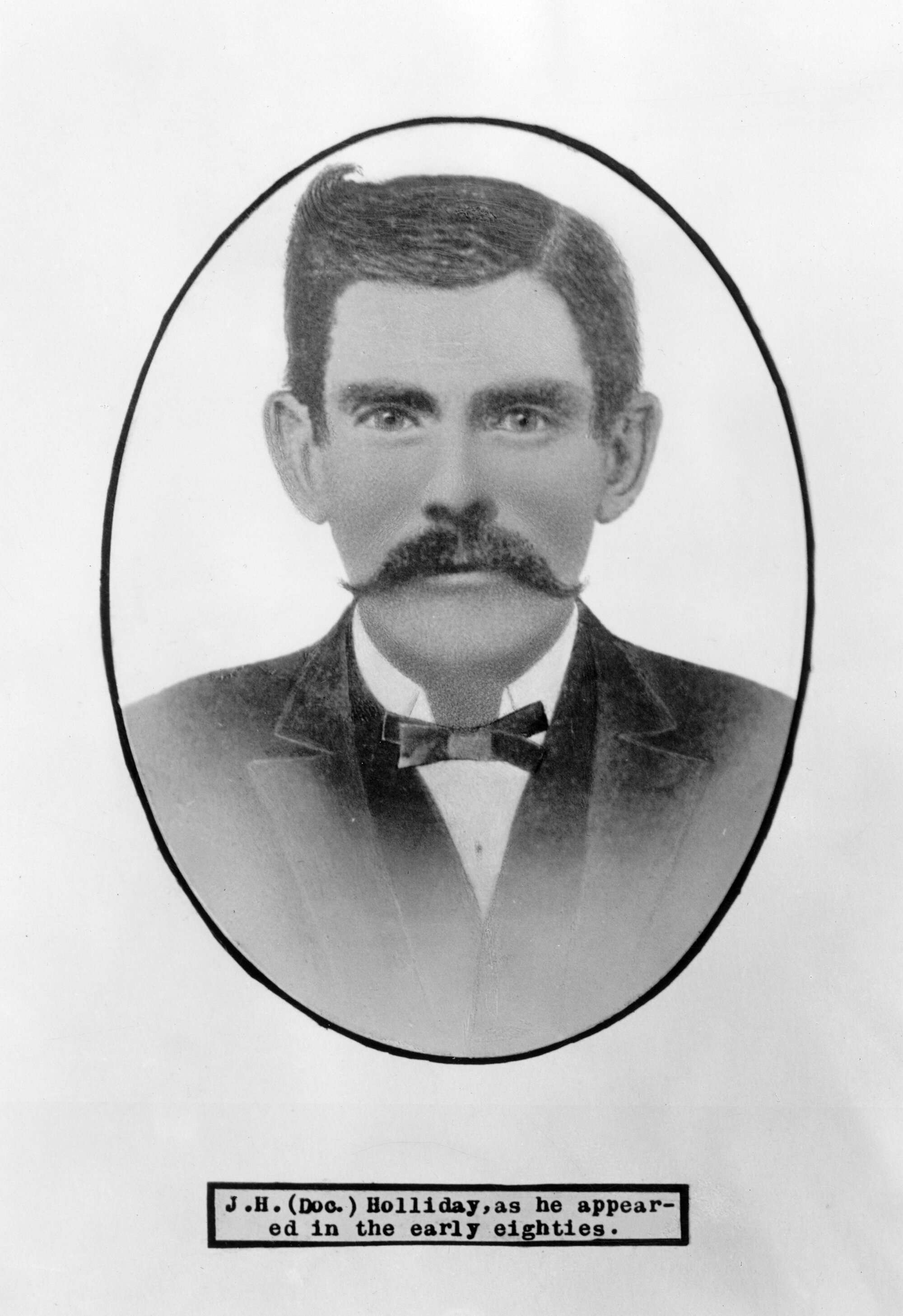 Doc Holliday. Photo credit: Denver Public Library Special Collections.
Horace & Baby Doe Tabor - Wheat Ridge
Horace Tabor made millions in silver, left his wife for a younger beauty, and built an empire on borrowed time. When the silver market collapsed, so did everything else. Baby Doe spent her last decades alone in a cabin by the Matchless Mine, freezing to death in 1935 still clutching her husband’s prophecy: Hold onto the mine; it will make millions again. It didn’t.
The Tabors now rest side by side at Mount Olivet Cemetery… a fitting address for Colorado royalty who learned the limits of fortune the hard way. Their monument is modest, but the story is operatic.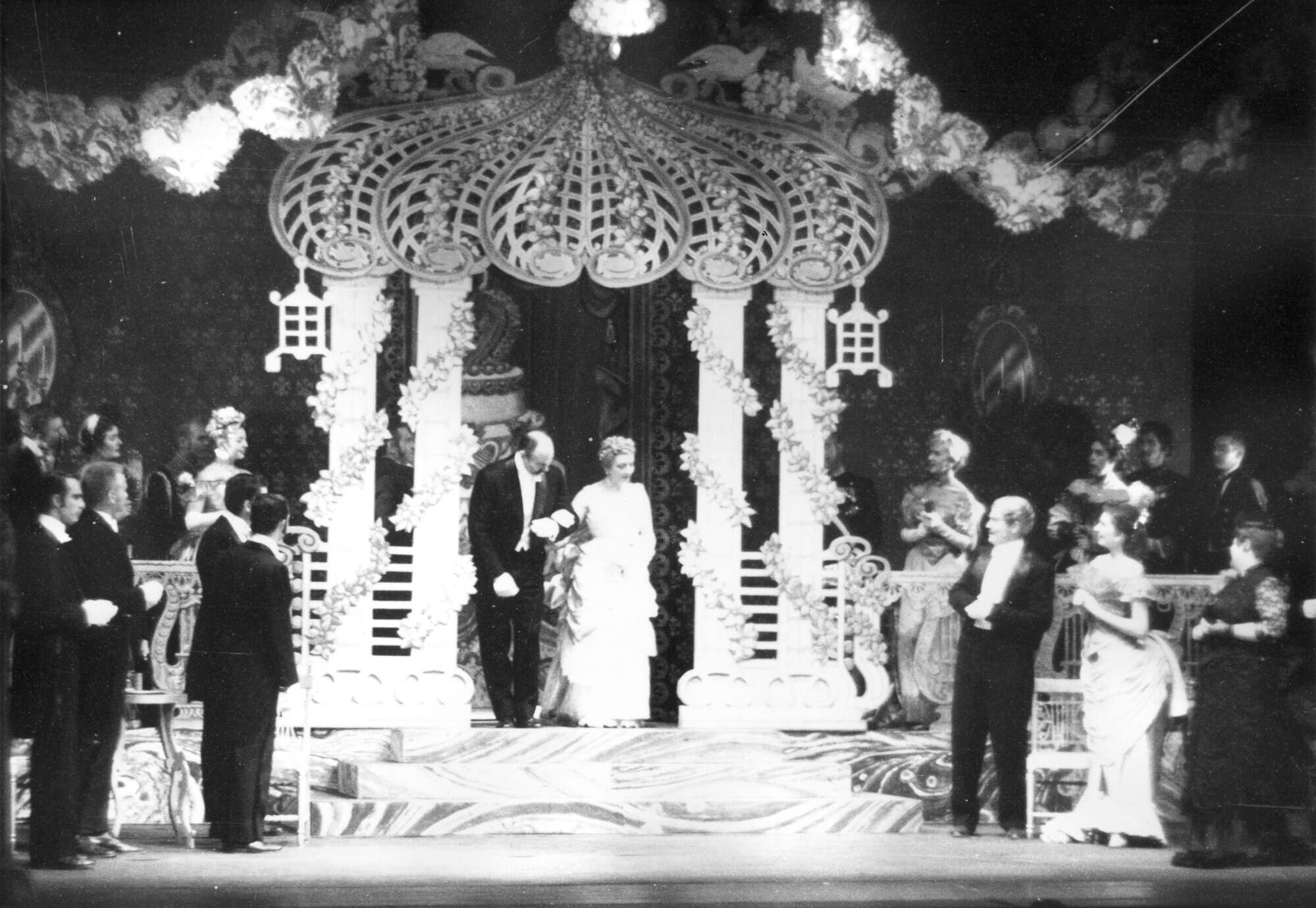 The wedding of Horace and Baby Doe Tabor. Photo credit: Denver Public Library Special Collections.
Buffalo Bill Cody - Lookout Mountain
Showman, scout, and one-man marketing campaign for the American West, William “Buffalo Bill” Cody drew crowds from London to St. Louis. His death in 1917 sparked a tug-of-war between Colorado and Wyoming, each claiming the right to his remains. Denver won.
His grave crowns Lookout Mountain, with a view that feels scripted: plains fading east, mountains rolling west. It’s no wonder half a million visitors have made the climb. For a man who built his legend on spectacle, it’s the rare curtain call that lives up to the billing.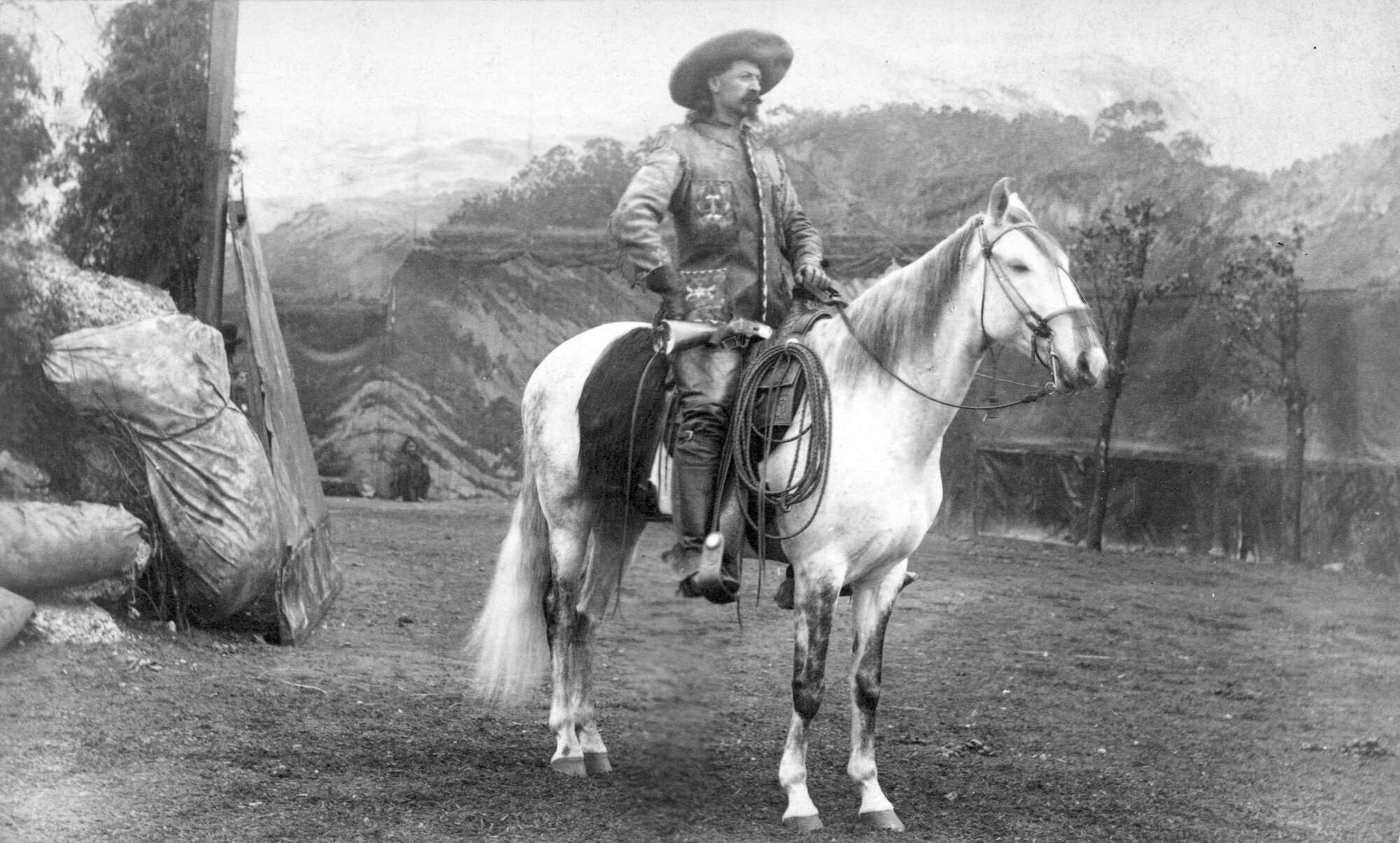 Buffalo Bill. Photo credit: Denver Public Library Special Collections.
Barney Ford - Riverside Cemetery, Denver
Born enslaved in Virginia, Barney Ford escaped through the Underground Railroad, taught himself to read, and made his way west, eventually building some of Colorado’s most respected hotels and restaurants. He lobbied for Black suffrage in the territorial legislature and demanded a seat at the table long before the state was ready to set one.
His success didn’t shield him from racism. His Denver hotel was once burned and looted; another venture was sabotaged. Yet Ford persisted, rebuilding every time.
He rests now in Riverside Cemetery, Denver’s oldest, and arguably its eeriest. Ford’s grave stands as a quiet testimony to what endurance looks like when the odds are stacked against you.
Silas Soule - Riverside Cemetery, Denver
Captain Silas Soule was a Union officer who refused to fire during the Sand Creek Massacre in 1864, when hundreds of Cheyenne and Arapaho were slaughtered under U.S. command. His defiance and later testimony exposed the atrocity… and cost him his life. Soule was shot and killed on a Denver street just weeks after speaking out.
He’s buried a few hundred yards from Barney Ford in Riverside Cemetery, the two men connected now by both plot legacy. Each year, Cheyenne and Arapaho descendants visit Soule’s grave during the Sand Creek Massacre Run, leaving tobacco and prayers.
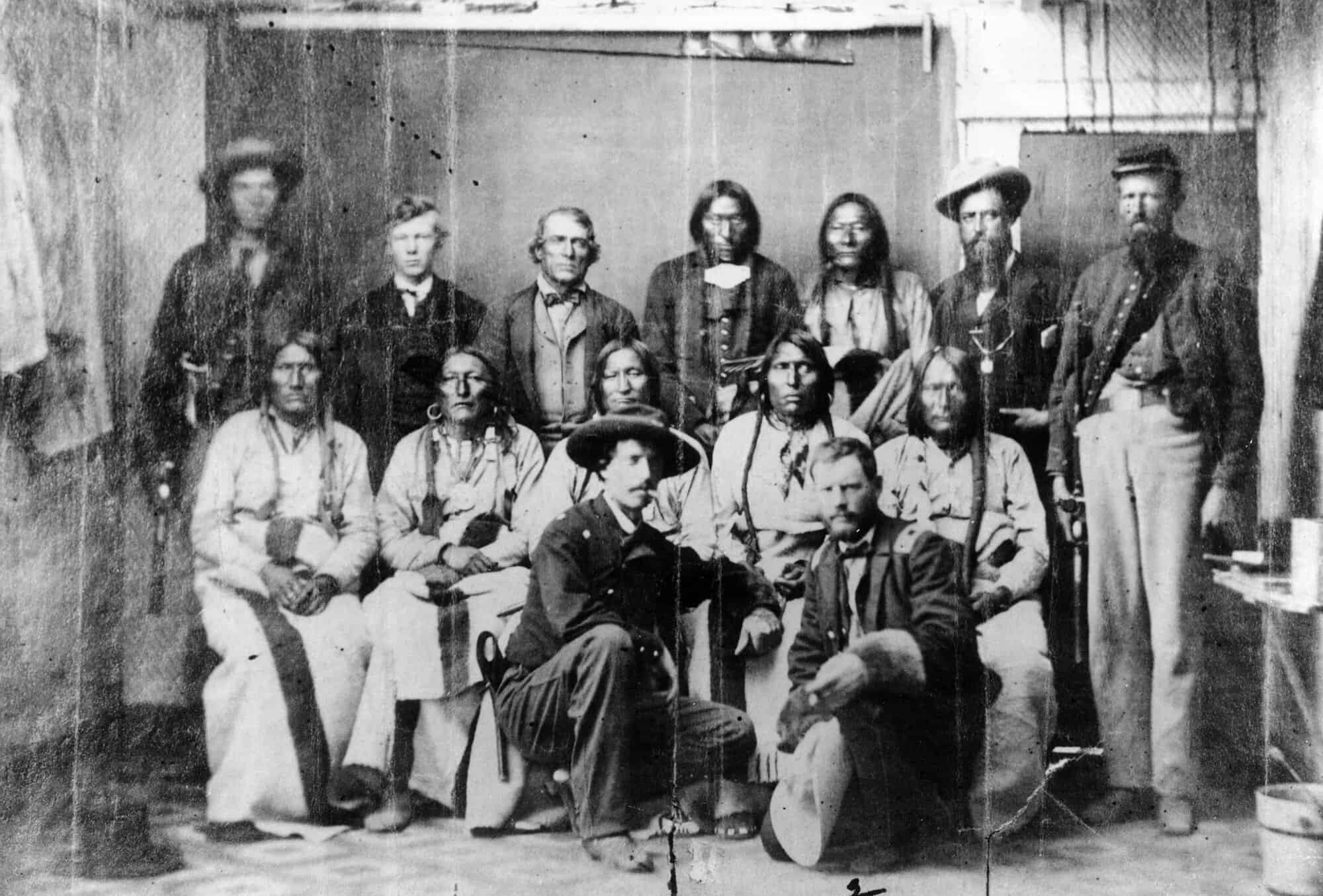 Captain Silas Soule, kneeling on the right. Photo credit: Denver Public Library Special Collections.
Teodor Glava - Lafayette
When Teodor Glava, coal miner and alleged vampire, died in 1918, his gravestone’s “Transylvania” birthplace was enough to start a century of campfire stories. Locals whispered he’d been buried twice, once with a stake through his heart and a juniper tree planted to trap his soul. The legend stuck.
Visit Lafayette Cemetery today and you’ll find the tree — large, still living — and a marker that’s been both vandalized and adored. The truth matters less than what the story reveals about fear, folklore, and how small towns process outsiders.
Alferd Packer - Littleton
Every state has its skeletons. Colorado’s is literal.
In 1874, prospector Alferd Packer and his party got lost in the San Juan Mountains. Only Packer came back. He was convicted of cannibalism, paroled years later, and lived quietly in Littleton until his death in 1907. His grave is routinely adorned with plastic forks.
The Quietest (But Most Storied) Real Estate in Colorado
Colorado’s ghosts don’t bother with jump scares. They show up in street names, in museum plaques, in the half-remembered version of how it all went down. The state’s history is still taking attendance.
If you’re ready for a home that gives you chills (in a good way), our Colorado Realtors can help you find one worth haunting… permanently.

Laurel Cisneros













Socials