
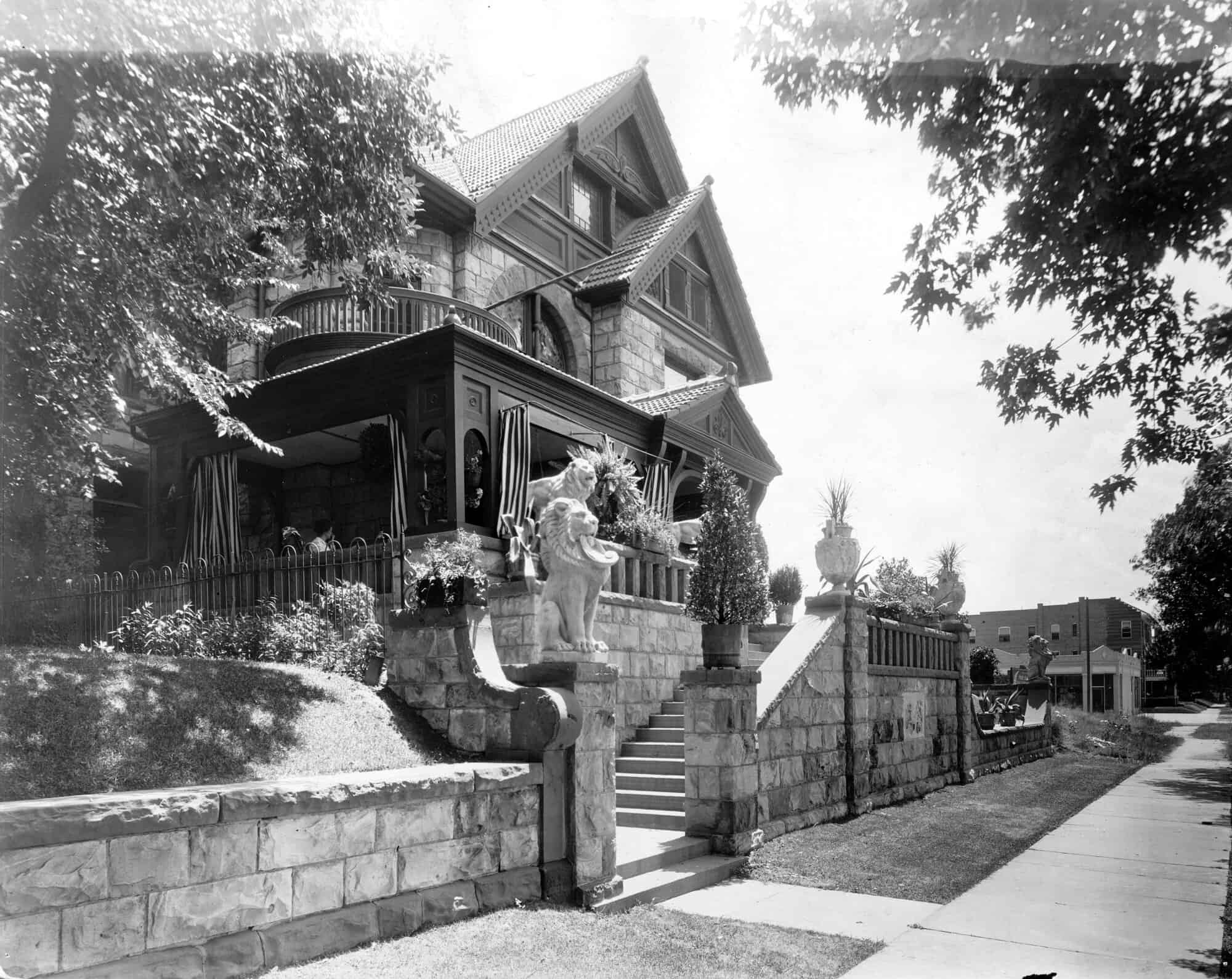
 The Molly Brown House. Photo credit: Denver Public Library Special Collections.
Colorado’s history is easy to romanticize if you only see it through snow-colored lenses: gold rush cabins, Victorian facades, sandstone courthouses. They all suggest a state frozen in sepia tones. But the truth is less static and more interesting. Colorado's historic buildings are not just relics. They are active players in how neighborhoods define themselves, how cities wrestle with growth, and how residents negotiate between nostalgia and practicality.
Colorado Historic Buildings - From Sepia to Living Color
Molly Brown House Museum
Take Denver’s Molly Brown House Museum, for instance. Margaret Brown survived the Titanic, but her home nearly did not survive the wrecking ball of mid-20th-century urban renewal. Community activists saved it, setting the tone for Denver’s preservation movement. The house is now an education center on social change, women’s rights, and early 20th-century architecture. In other words, not just a mansion with lace curtains but a civic classroom.
Tabor Opera House
Then there is Leadville’s Tabor Opera House, a building that tells two stories at once: one of opulence, and one of bust. Built in 1879 with the profits of silver mining, it staged performances that rivaled anything on the East Coast. But when silver prices collapsed, the opera house transitioned from cultural beacon to curiosity, hosting everything from boxing matches to roller skating. Recent renovations have returned its grandeur without erasing its patchwork past.
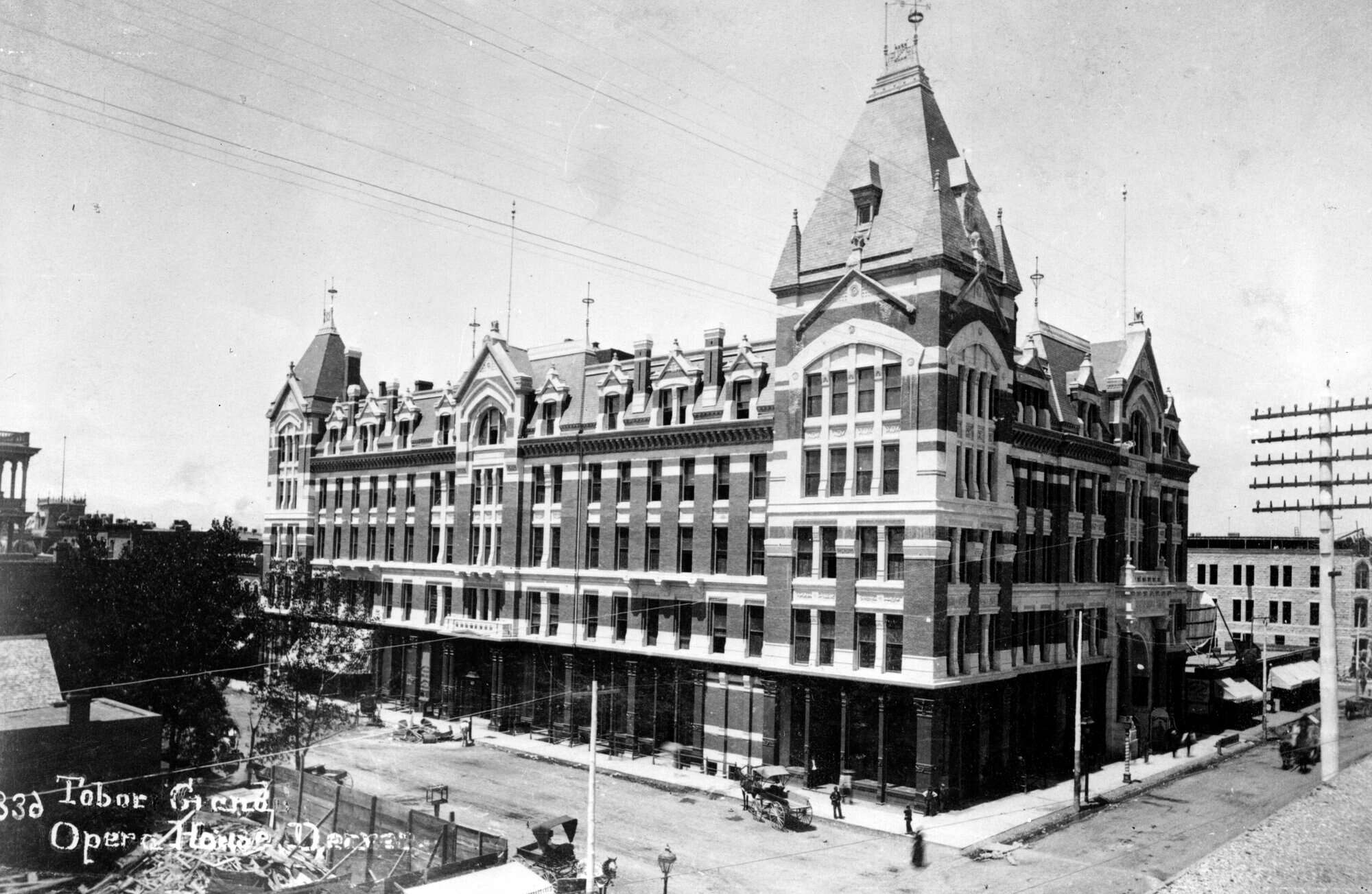 Tabor Opera House grand opening. Photo credit: Denver Public Library Special Collections.
Pearl Street Storefronts
Colorado's historic buildings also reveal the uneasy compromises of growth. Boulder’s Pearl Street is famous for its pedestrian mall, but tucked between boutiques and buskers are brick storefronts from the late 1800s. Preservationists fought to keep these intact during the redevelopment push of the 1970s. Their success demonstrates a key point: historic preservation does not have to mean fossilization. It can be a strategy for economic vitality. Tourists arrive for the charm; businesses thrive because of the foot traffic. Everyone wins, except maybe the pigeons.
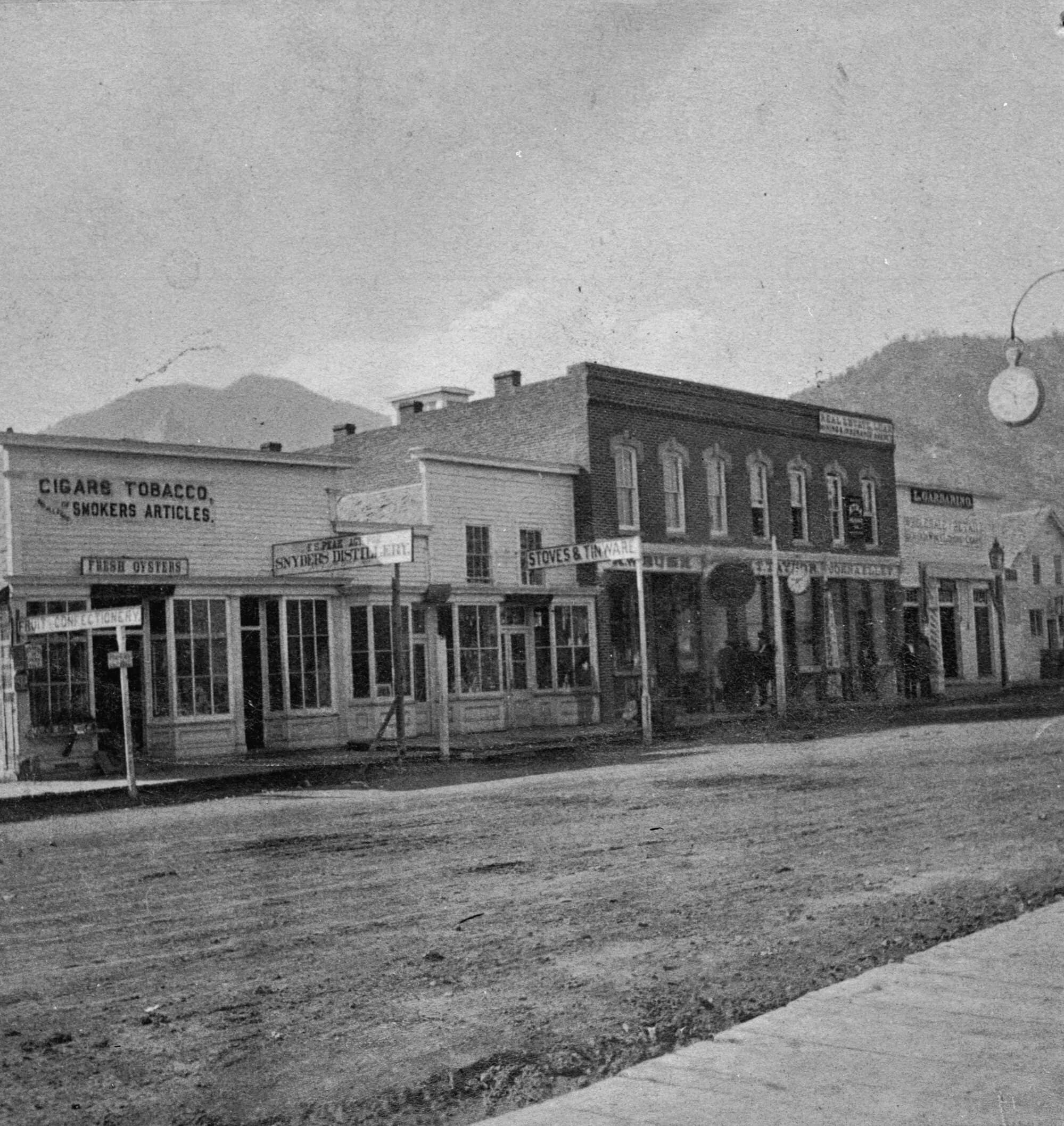 Boulder, Pearl Street. Photo credit: Denver Public Library Special Collections.
City Auditorium
Not all preservation stories are straightforward. Colorado Springs’ City Auditorium, built in 1923, is an example of a building caught in limbo. It still stands, but debates about its future continue. Does the city restore it, retrofit it, or replace it? The answer matters not just for architectural integrity but for civic identity. Once a building becomes part of a community’s memory, tearing it down feels like deleting a shared chapter. But retrofitting costs real money, and nostalgia rarely balances budgets.
Sand Stone Storefronts
Further south, Trinidad’s commercial district shows how architecture can mirror cultural blending. The sandstone storefronts and Italianate details reflect waves of immigrant communities who built the town’s economy. Today, as Trinidad reinvents itself through art initiatives and cannabis tourism, those same buildings provide the bones of reinvention. The past is literally underwriting the future.
Bent’s Old Fort
Even rural corners of the state weigh in. The Bent’s Old Fort National Historic Site in La Junta is a reconstruction, not an original, but it raises important questions about authenticity. Is a rebuilt fort “historic” if it sits on the original footprint? For visitors, the experience of walking through adobe walls and hearing interpretive programs may matter more than strict academic definitions. Preservation, after all, is often about storytelling as much as it is about stone and mortar.
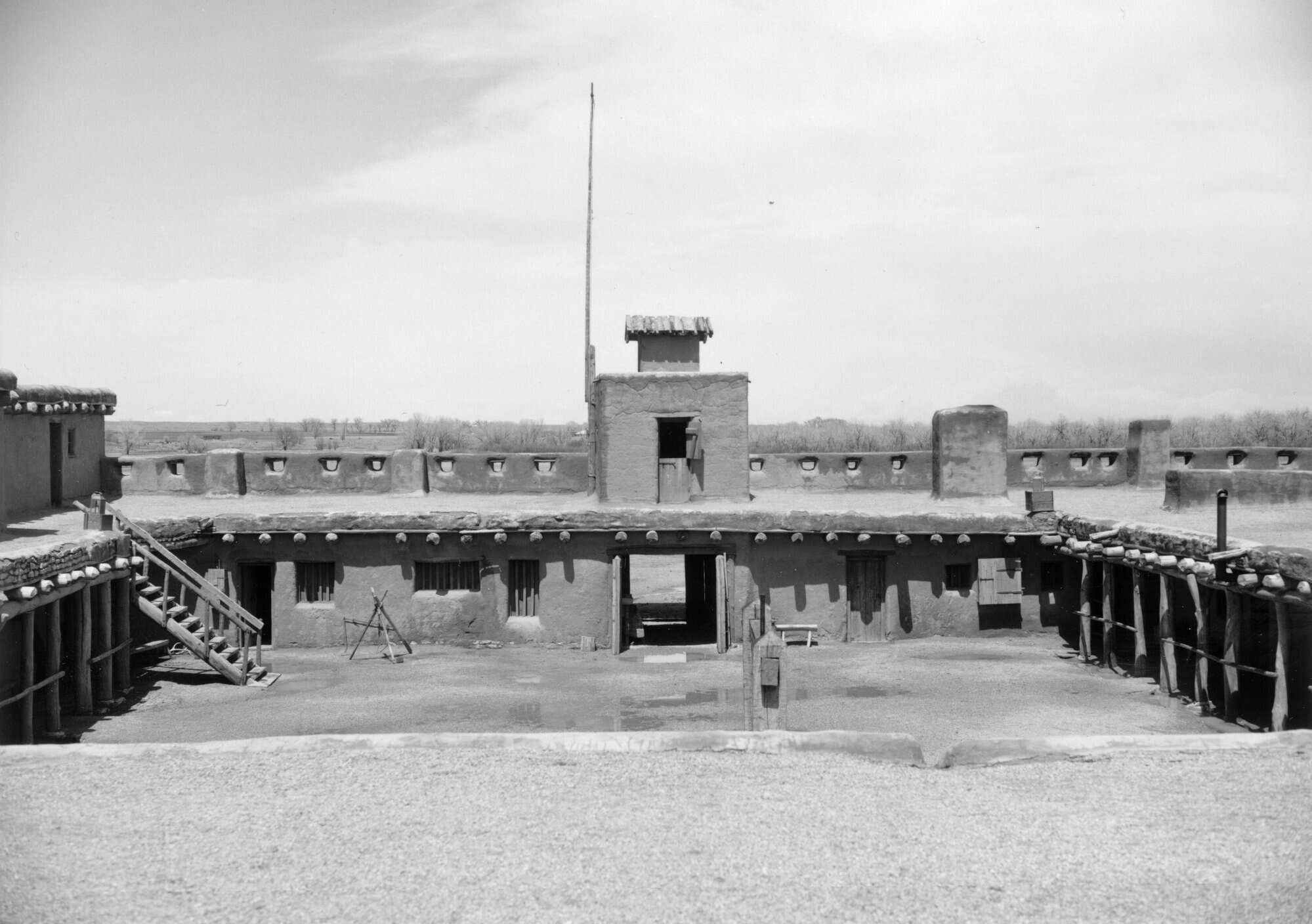 Bent's Old Fort. Photo credit: Denver Public Library Special Collections.
Denver’s Preservation Efforts
Colorado historic buildings are also bellwethers of policy. The state’s preservation tax credits, often used by developers to restore structures, have been instrumental in saving properties like Union Station in Denver. What was once a fading transit hub is now a multimodal icon with restaurants, shops, and a luxury hotel. Its renovation demonstrated that historic preservation can be economically profitable, not just culturally valuable.
The Denver Firefighters Museum, housed in the 1909 Fire Station No. 1 downtown, is another preservation success. The building has kept its red brick façade, brass fire poles, and original bays, but its new role is education. Visitors learn how Denver grew through its fires, and how firefighting technology evolved from horse-drawn wagons to motorized engines. It’s proof that a historic building does not have to be frozen—it can continue serving the public, just in a different way.
And it’s not only the landmarks with interpretive plaques. Denver also has several early 20th-century firehouses repurposed into restaurants, coffee shops, and even residences. One in the Highlands district now houses a popular eatery, where diners sit beneath the same arched doors that once opened for engines. These conversions demonstrate adaptive reuse in its most accessible form: familiar neighborhood anchors given second lives, while retaining their distinctive bones.
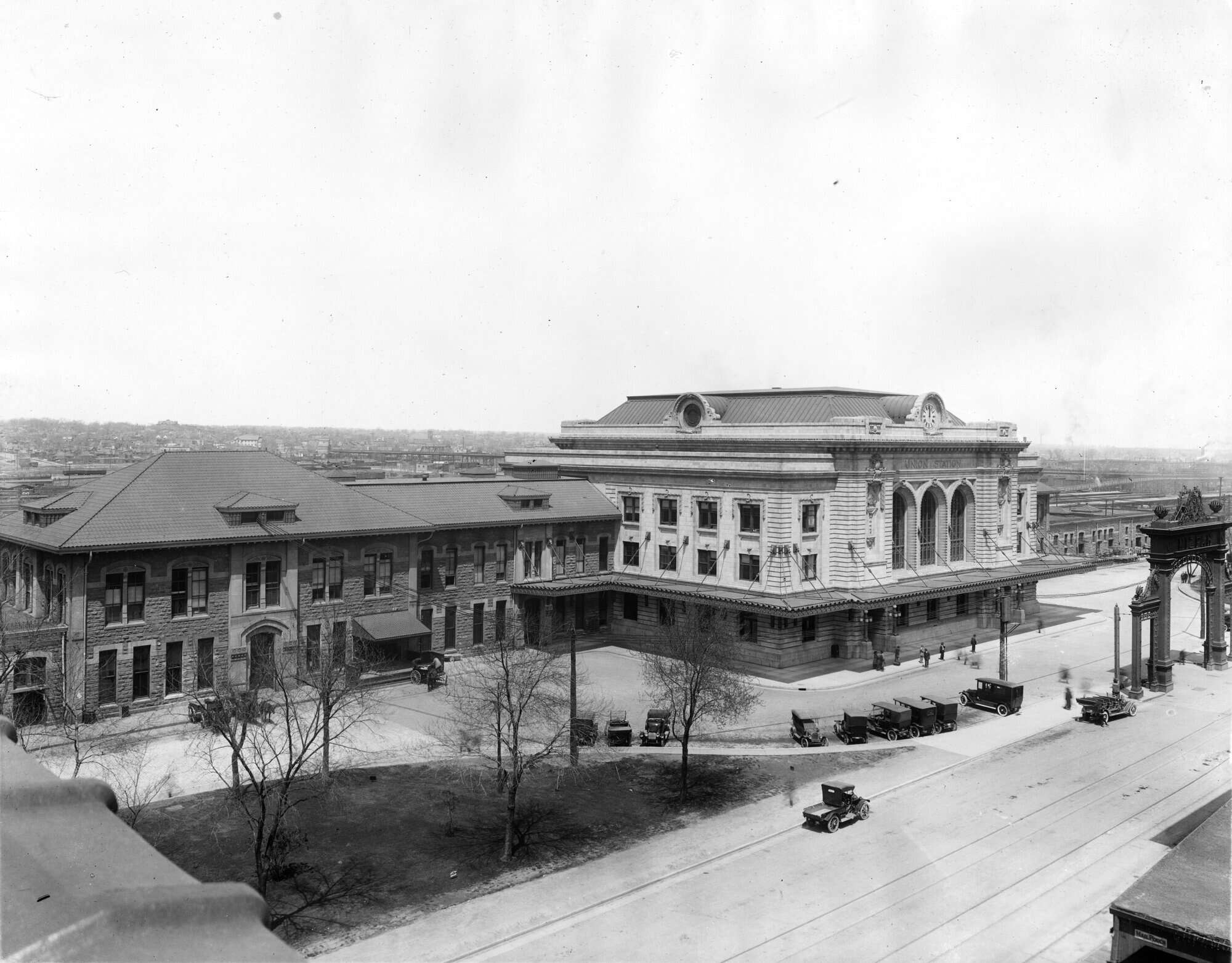 Union Station. Photo credit: Denver Public Library Special Collections.
Chicano Murals
Still, preservation has its blind spots. Buildings tied to marginalized communities have historically been overlooked, though that is beginning to change. In Pueblo, efforts to document and preserve Chicano murals and neighborhood gathering spaces signal a broader recognition that history is more than ornate turrets and gilded staircases. Sometimes history looks like a corner grocery or a boxing gym.
Colorado’s Architectural Heritage & Community History
Colorado’s historic buildings remind us that architecture is not just shelter, it’s narrative. They show how communities negotiate progress without erasing memory. And they suggest that “historic” does not mean trapped in amber… it means participating in a long conversation about place, identity, and value.
For homeowners, preservationists, or simply curious neighbors, the state’s architectural heritage is both a responsibility and an opportunity. Whether you are strolling a Victorian block in Georgetown, ducking into a Pueblo revival courthouse, or sipping coffee in a repurposed Denver firehouse, you are engaging with history in the most practical of ways: by using it.
Colorado historic buildings endure not because they are perfect, but because communities decided they were worth the effort. That choice (to save, adapt, and reuse) is itself part of the story.












Socials