

Some household objects are so ubiquitous we never stop to ask why they exist. Others are so bizarre it’s a wonder they were ever invented at all. From beds that vanish into walls to chairs that double as step ladders, the world of household innovation has had its fair share of oddities. Some were strokes of genius, others were desperate solutions to problems that never really needed solving. Either way, they all have a story to tell.
The Curious History of Strange Household Items
The Murphy Bed: Disappearing for Over a Century
 If you’ve ever lived in a cramped apartment, you might have thanked William Lawrence Murphy for his clever space-saving solution. The Murphy bed, which folds up into a wall or cabinet, was the product of necessity. Legend has it that Murphy, living in a one-room San Francisco apartment in the early 1900s, wanted to entertain a young lady. At the time, societal norms deemed it inappropriate for a woman to enter a bachelor’s bedroom. His solution? Make the bed disappear. He patented his folding bed mechanism and started a business selling them to other space-strapped city dwellers. Over a century later, the Murphy bed remains a staple for studio apartment dwellers and tiny home enthusiasts alike.
The Pie Safe: A Cabinet for the Paranoid Baker
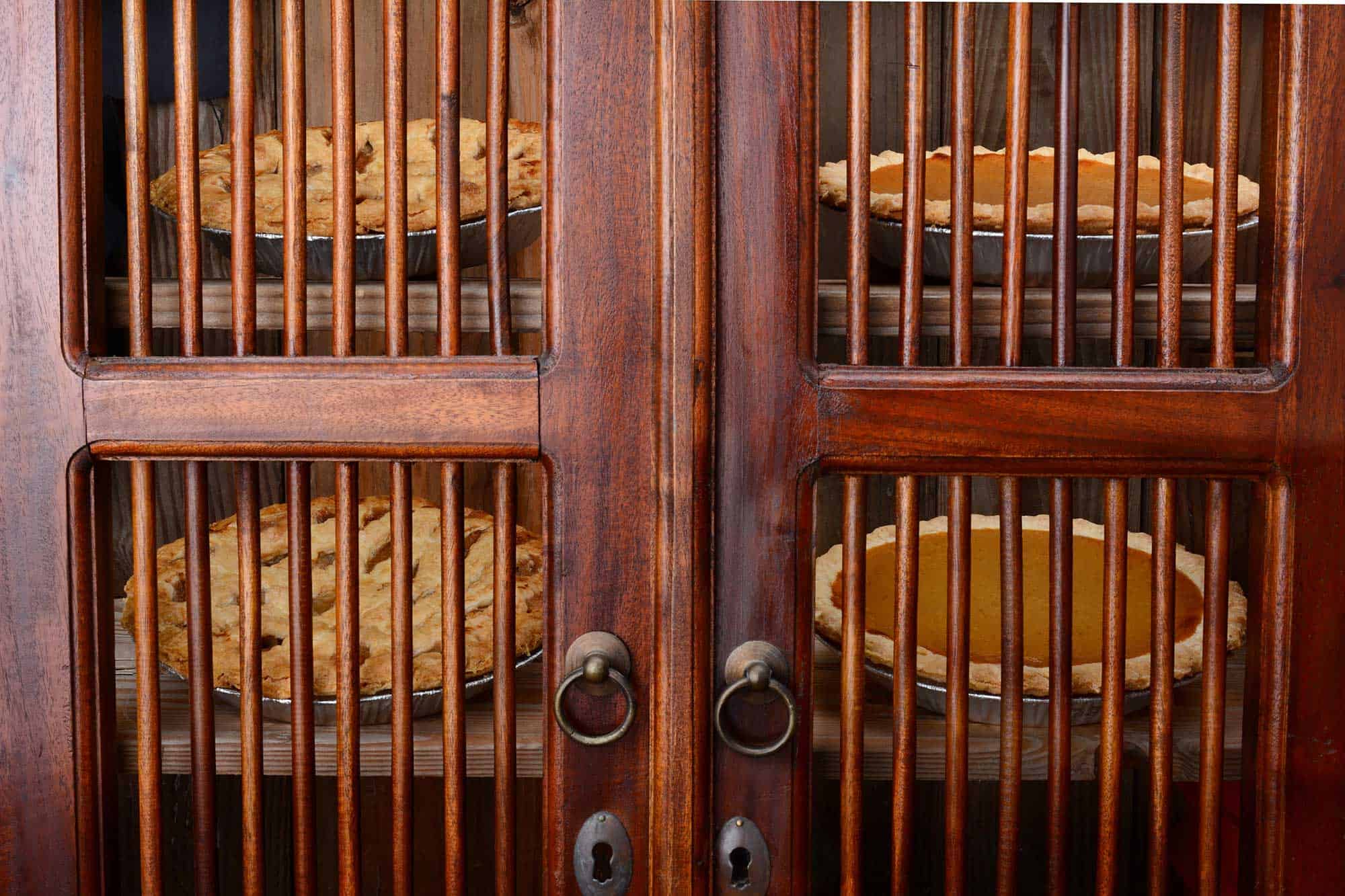 Long before refrigeration, storing baked goods was a challenge. Enter the pie safe — a ventilated wooden cabinet, often featuring perforated tin panels, designed to keep baked goods fresh while protecting them from insects, rodents, and hungry family members. In the 19th century, a well-stocked pie safe was a sign of prosperity, and the intricate punched designs on the tin panels doubled as folk art. These cabinets have largely been replaced by modern storage solutions, but antique enthusiasts still covet them for their craftsmanship and rustic charm.
The Dumbwaiter: The Quietest Servant in the House
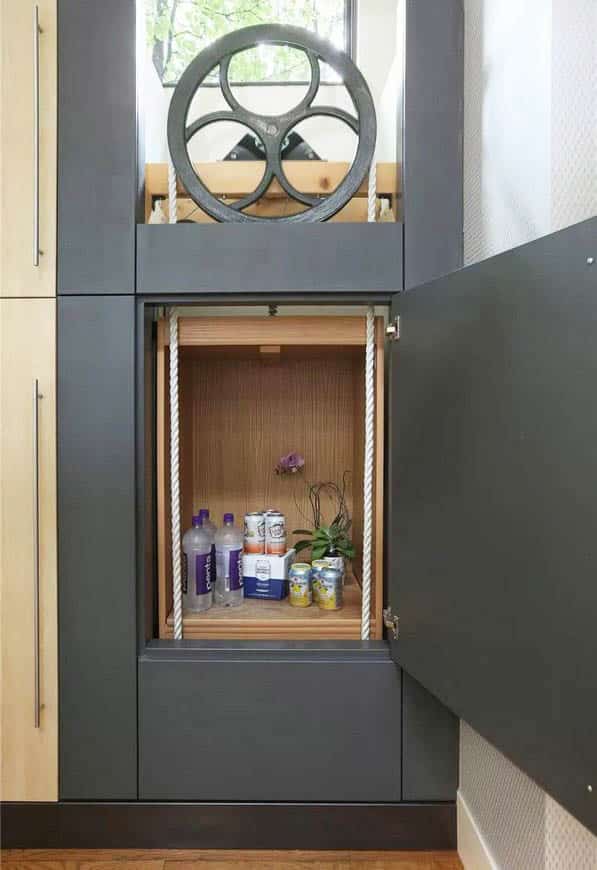 Photo Credit: designingidea.com
Long before intercoms and kitchen islands, there was the dumbwaiter. A small, manually operated elevator, the dumbwaiter was a godsend for multi-story homes and restaurants, allowing food and dishes to be transported between floors without the hassle of carrying trays up and down stairs. Thomas Jefferson reportedly installed one at Monticello, though they became most famous in the grand homes of the Gilded Age. Today, dumbwaiters are mostly found in historic mansions, though some modern homeowners still install them for convenience—or just to feel a little fancy.
The Carpet Beater: Because Cleaning Used to Be Loud and Violent
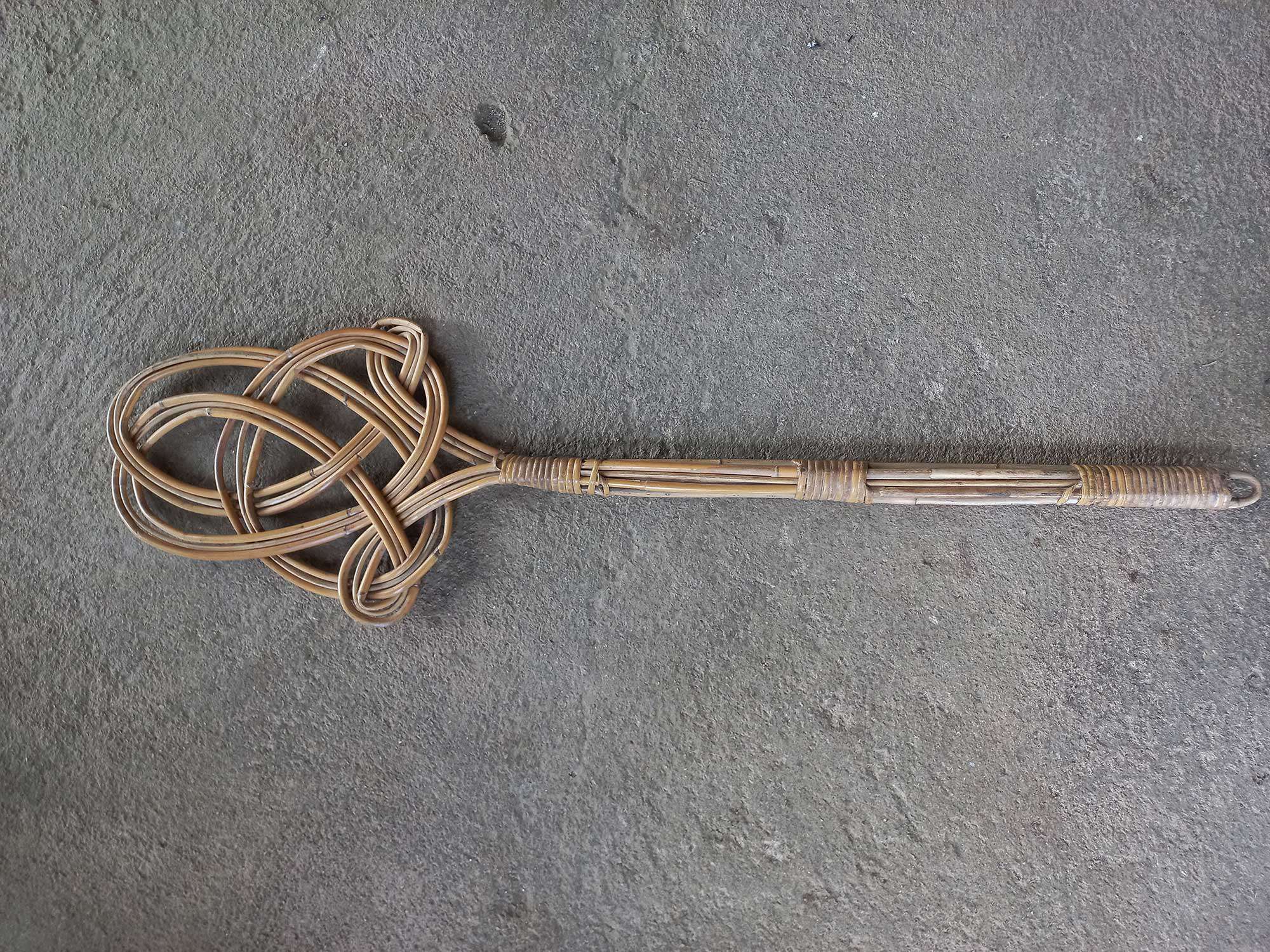 Before the vacuum cleaner, there was the carpet beater — a large, often decorative tool used to literally beat the dust out of rugs. This was as exhausting as it sounds. In the 19th and early 20th centuries, cleaning day involved hauling carpets outside and whacking them with all the force one could muster, sending clouds of dust into the air. It was noisy, messy, and probably great for stress relief. The arrival of vacuum cleaners put an end to this chaotic ritual, though some decorators now display vintage carpet beaters as wall art—perhaps as a tribute to simpler (if sweatier) times.
The Secretary Desk: The Original Work-From-Home Setup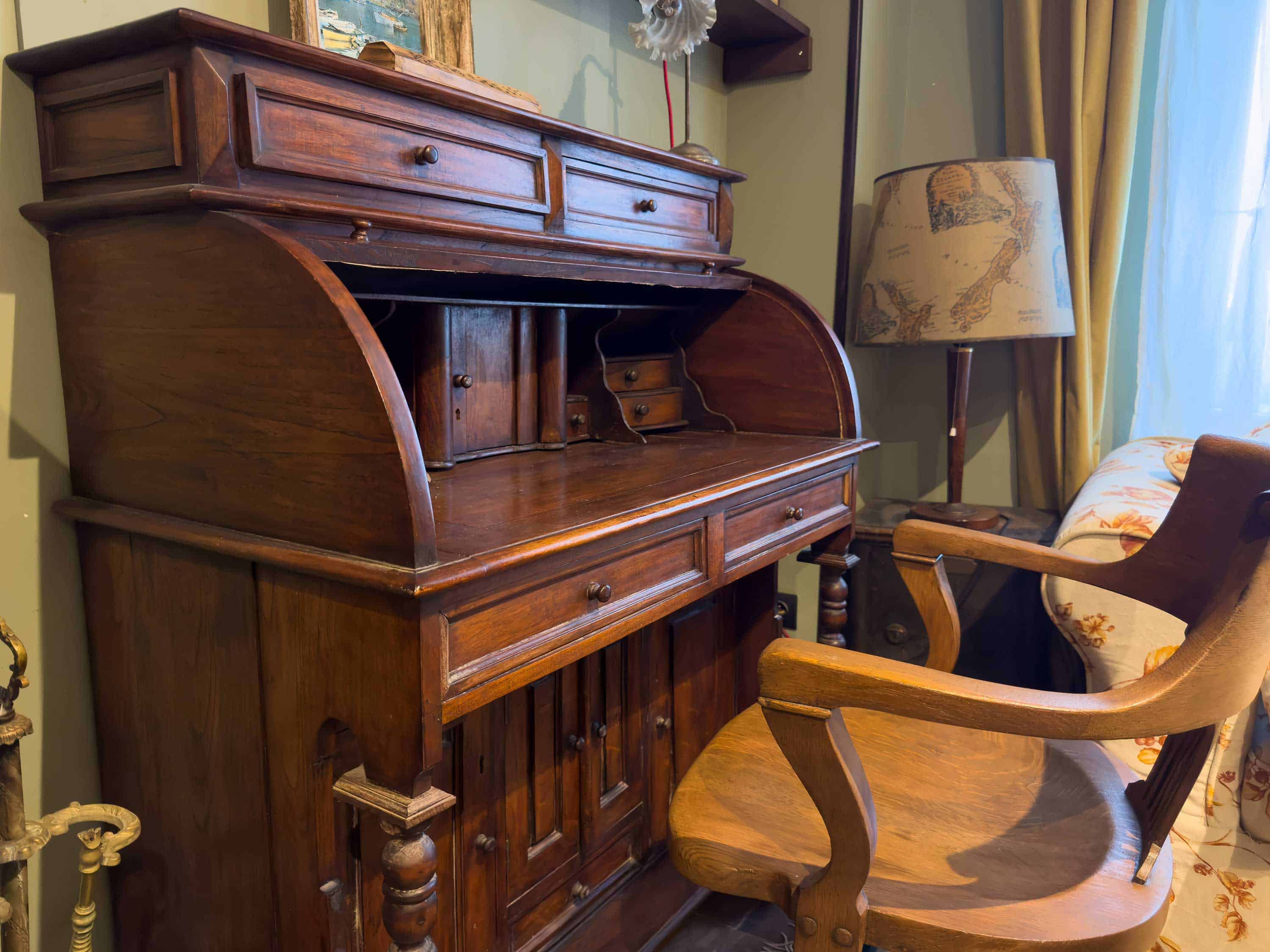
Long before laptops and standing desks, the secretary desk was the pinnacle of home office organization. Typically featuring a fold-down writing surface, hidden compartments, and an air of sophistication, it was designed for letter-writing, bookkeeping, and keeping one’s affairs in order. In the 18th and 19th centuries, having a well-stocked secretary desk signaled refinement and responsibility. That standing desk tucked away in your basement has the coolest grandma.
The Ironing Stove: Because Wrinkles Have Always Been a Nuisance
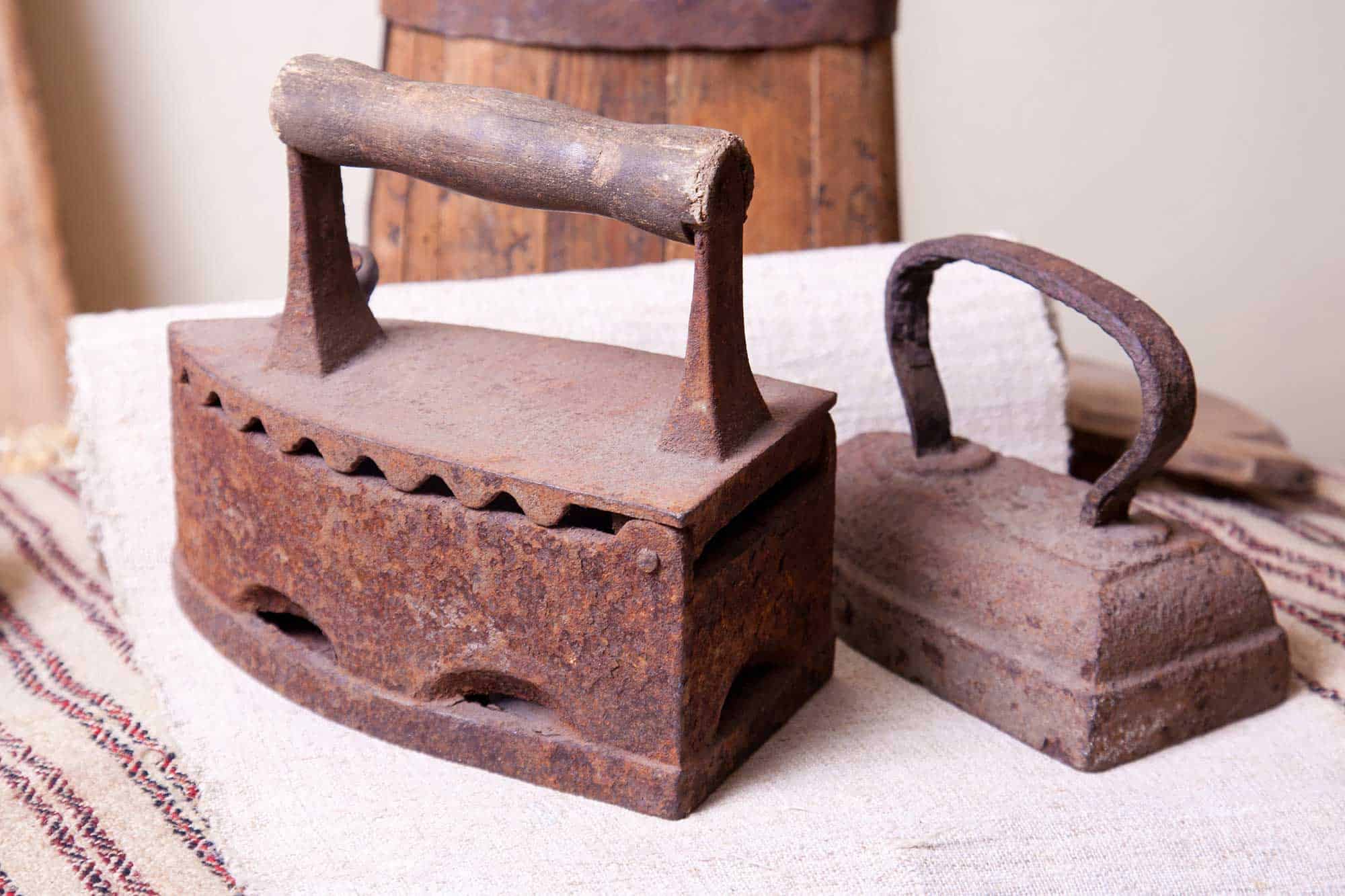 Ironing has never been fun, but before electricity, it was downright tedious. The ironing stove made its debut to change all that. It was a small, heated metal box where sad irons (heavy, solid irons heated on a stove) were kept hot and ready. Since early irons cooled quickly, this contraption allowed users to swap out a cooling iron for a freh, hot one, maintaining a steady ironing rhythm. If you think today’s ironing boards are a hassle, imagine managing a rotation of scorching metal bricks without burning your fingers. No wonder wrinkle-resistant fabrics became so popular.
The Rolling Library Ladder: For the Book Lover Who Has Everything
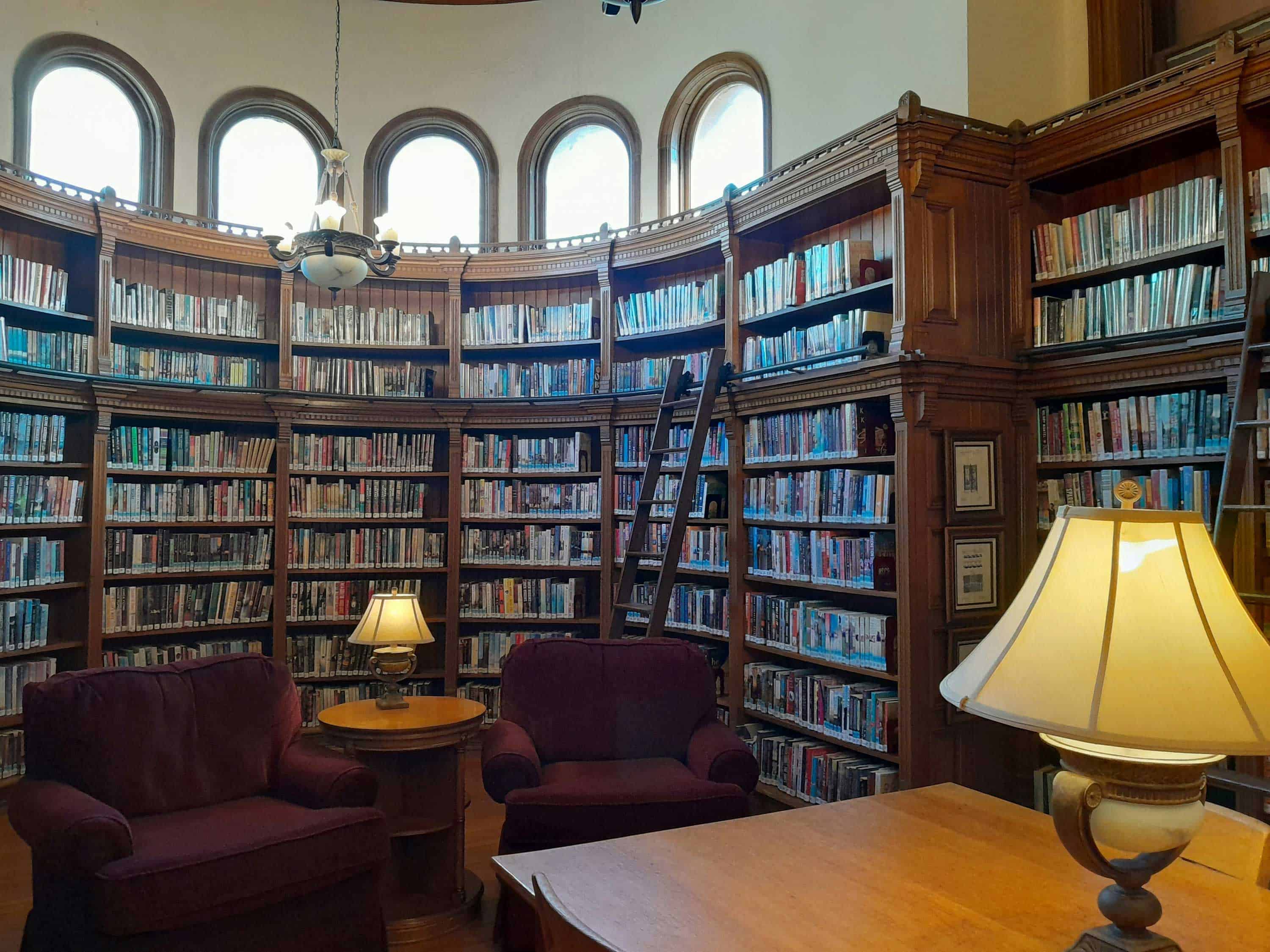 Nothing screams literary ambition quite like a rolling library ladder. These ladders, which glide smoothly along bookshelves on tracks, became a staple in grand home libraries and bookshops in the 19th century. They weren’t just about aesthetics. When books were a luxury and collections spanned floor-to-ceiling shelves, these ladders were a necessity. While modern homes rarely need a full-scale library, these ladders have found new life in kitchens, lofts, and high-end retail stores. Because if you’re going to reach for something, you might as well do it with style.
Strange Household Items: A Testament to Human Ingenuity
Looking back at these strange and ingenious household items, one thing is clear: people have always sought ways to make life more efficient, even if it meant inventing a contraption that took up half the kitchen. Some of these items have endured, some have evolved, and some have faded into history. But they all tell a story: one of creativity, necessity, and the eternal human quest to make daily life just a little bit easier.
Need a new place to put those ironing stoves and carpet beaters (or whatever keeps your home tip-top)? Our Denver area Realtors can guide the way.



















Socials