
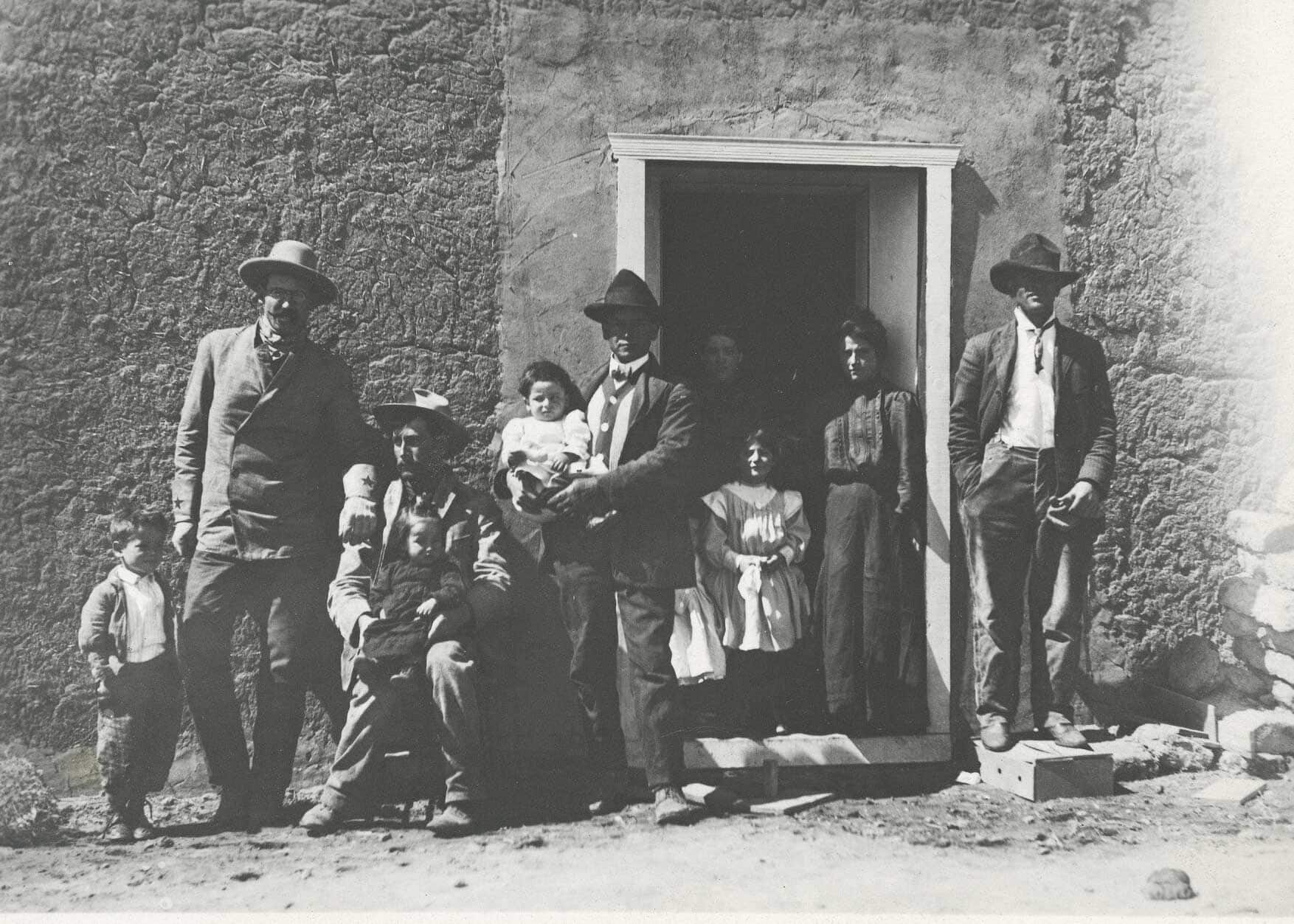
Mexican family in front of their home in the San Luis Valley. Photo credit: Denver Public Library Special Collections.
From the earliest explorers to modern-day leaders, Denver's rich Hispanic heritage has shaped the city's culture, history, and growth. The roots of this community stretch back hundreds of years and continue through centuries of cultural influence, political leadership, and social contributions. Today, one in five Coloradans identifies as Hispanic, and their story is deeply intertwined with the development of the state.
Pioneers of the Frontier
In the early 1800s, Spanish land grants encouraged settlement in the San Luis Valley, where the town of San Luis was established in 1851. It remains the oldest permanent settlement in Colorado, a testament to the endurance of Hispanic communities in the region.
After Mexico gained independence from Spain in 1821, Mexican settlers continued to move into southern Colorado, establishing agricultural communities and contributing to the state's economy. However, the Mexican-American War and the subsequent Treaty of Guadalupe Hidalgo in 1848 shifted control of this land to the United States. Although the treaty promised to protect the property rights of Mexican landowners, many of these land grants were stripped away through legal disputes, leaving descendants to fight for their land well into the 20th century.
The Colorado Supreme Court’s 2002 ruling in favor of the descendants of settlers on the Sangre de Cristo land grant, who fought for their traditional rights to grazing and timber, reflects the long and complicated history of land ownership for Hispanic families in the region.
Forging the State’s Economy
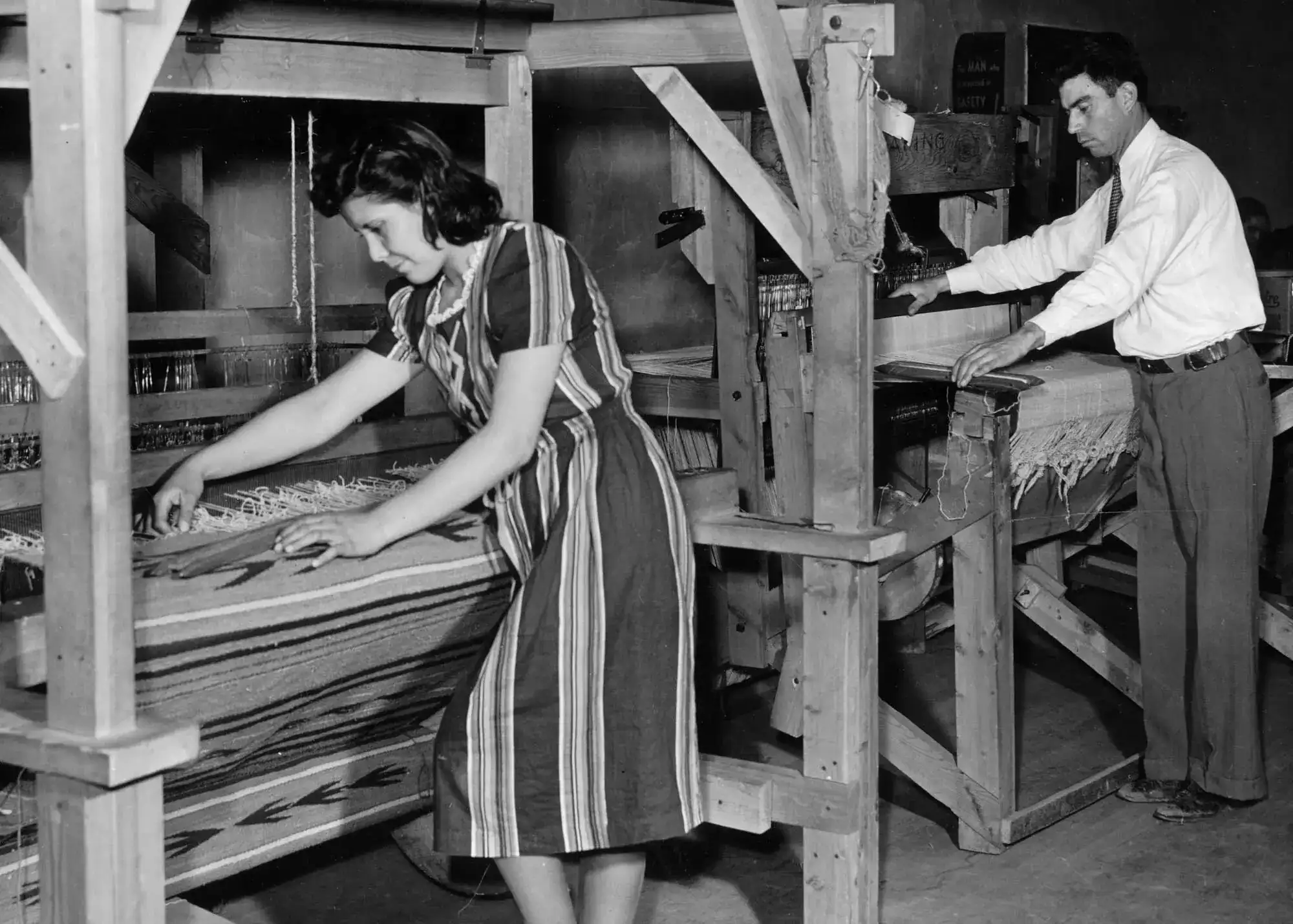
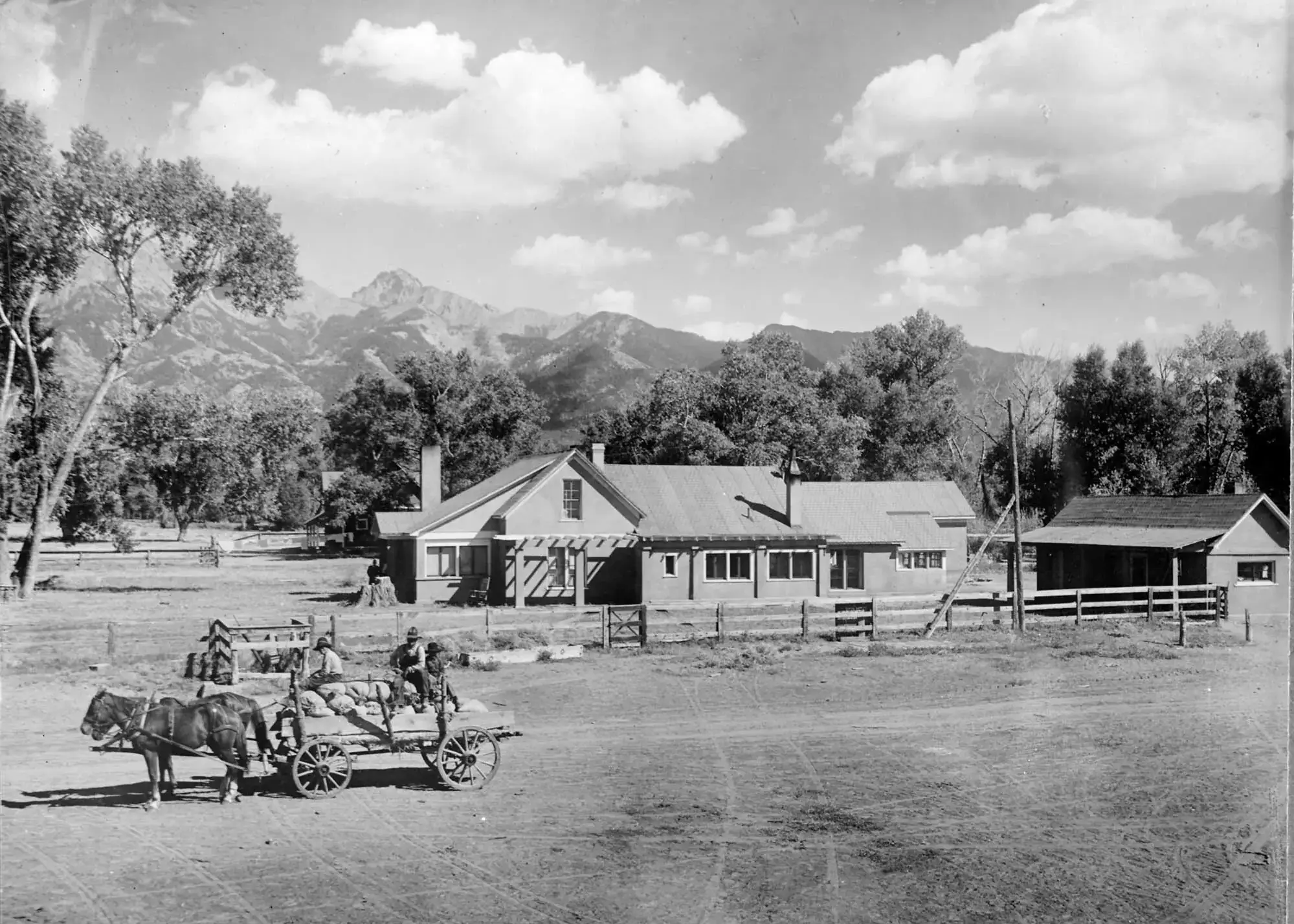
The arrival of the railroads in the 1870s brought English-speaking settlers to Colorado, which profoundly changed the economy and political landscape. Nevertheless, Hispanic communities remained resilient, migrating to northern Colorado to work in mines, steel mills, and the burgeoning sugar beet industry. Their contributions to agriculture, especially in the San Luis Valley, are still significant today.
Hispanic Coloradans also played crucial roles in the state's military history, with many serving in the Indian Wars, the Civil War, and later, in both World Wars. Returning veterans often moved their families from rural areas into cities like Denver, Pueblo, and Fort Collins, helping to shape the urban Hispanic communities that thrive today.
The Rise of Chicano Activism and Political Power
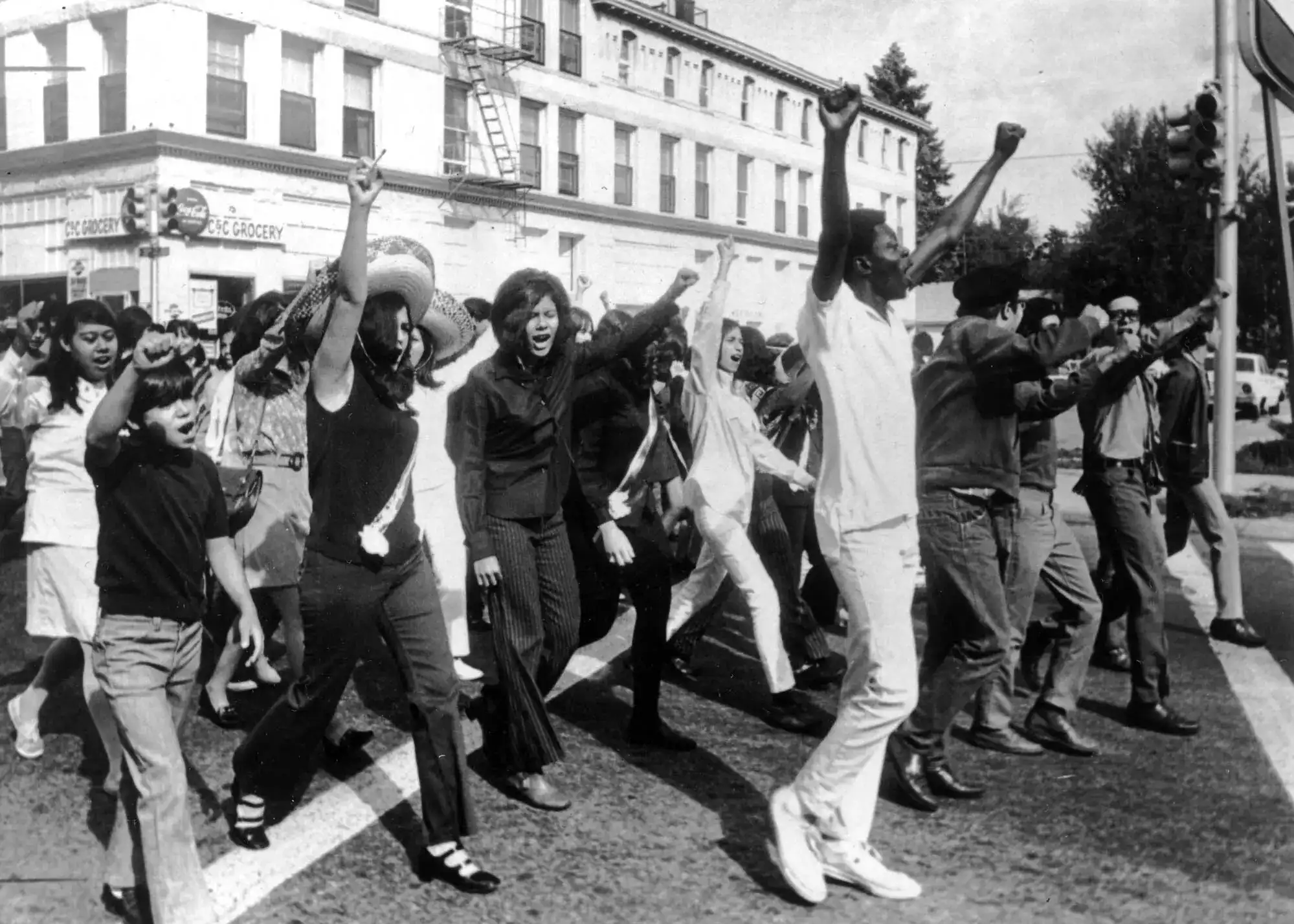
In the 1960s, Denver became a hub of the Chicano civil rights movement, with leaders like Corky Gonzales and Richard Castro fighting for equal rights and opportunities for Hispanic citizens. This movement brought issues like discrimination, education, and housing to the forefront of Colorado politics. It also paved the way for greater Hispanic representation in government.
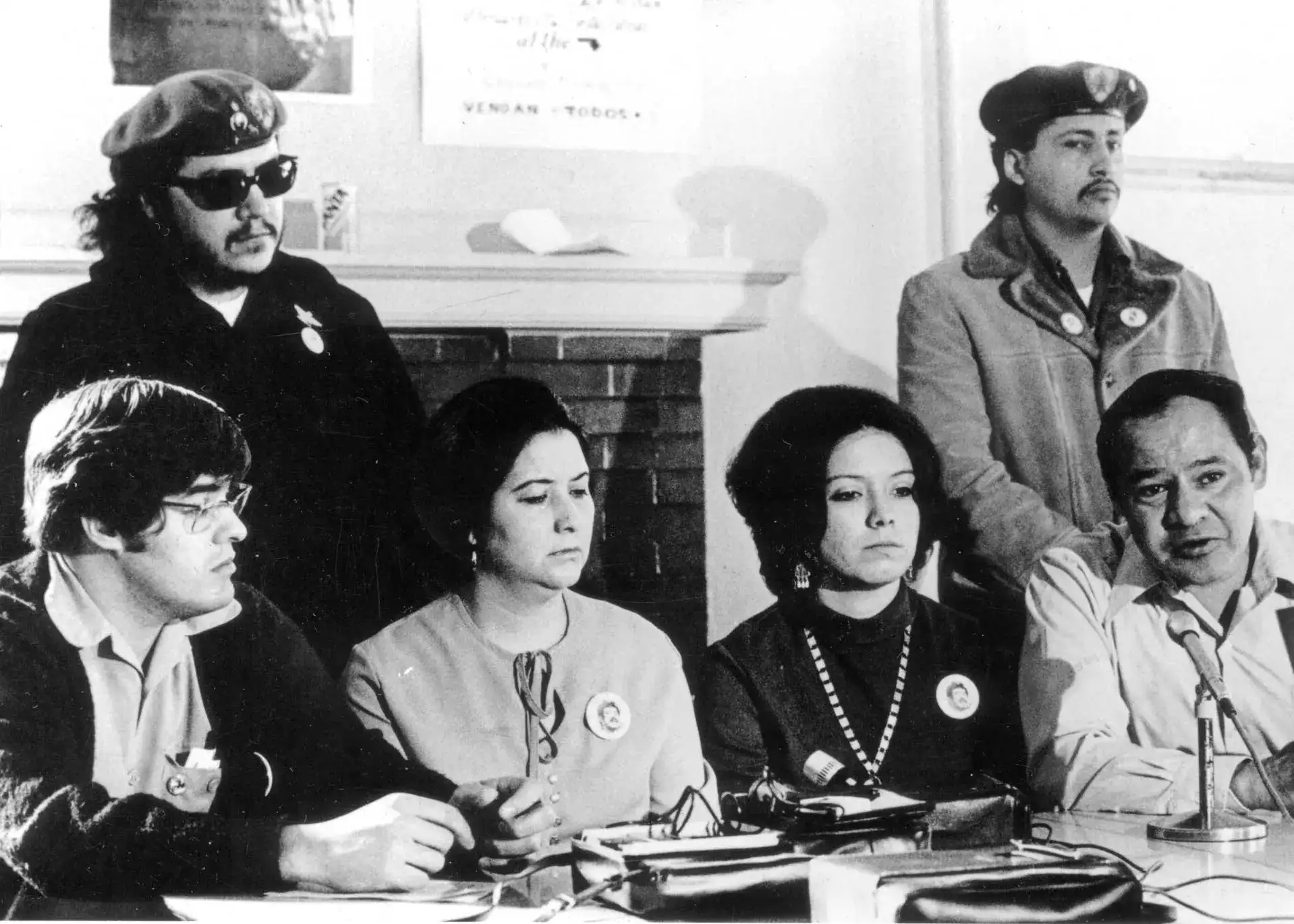
Rodolfo “Corky” Gonzales, a former boxer turned political activist, was one of the most influential figures in the movement. In 1966, Gonzales penned the epic poem "I Am Joaquín", which became a rallying cry for Chicano identity and pride, embodying the struggle for equality. He later founded the Crusade for Justice, an organization dedicated to addressing racial and economic injustices faced by Hispanic Americans. Under Gonzales’ leadership, the Crusade became a powerful force advocating for education reform, labor rights, and political representation, cementing Denver’s place in the Chicano movement’s history.
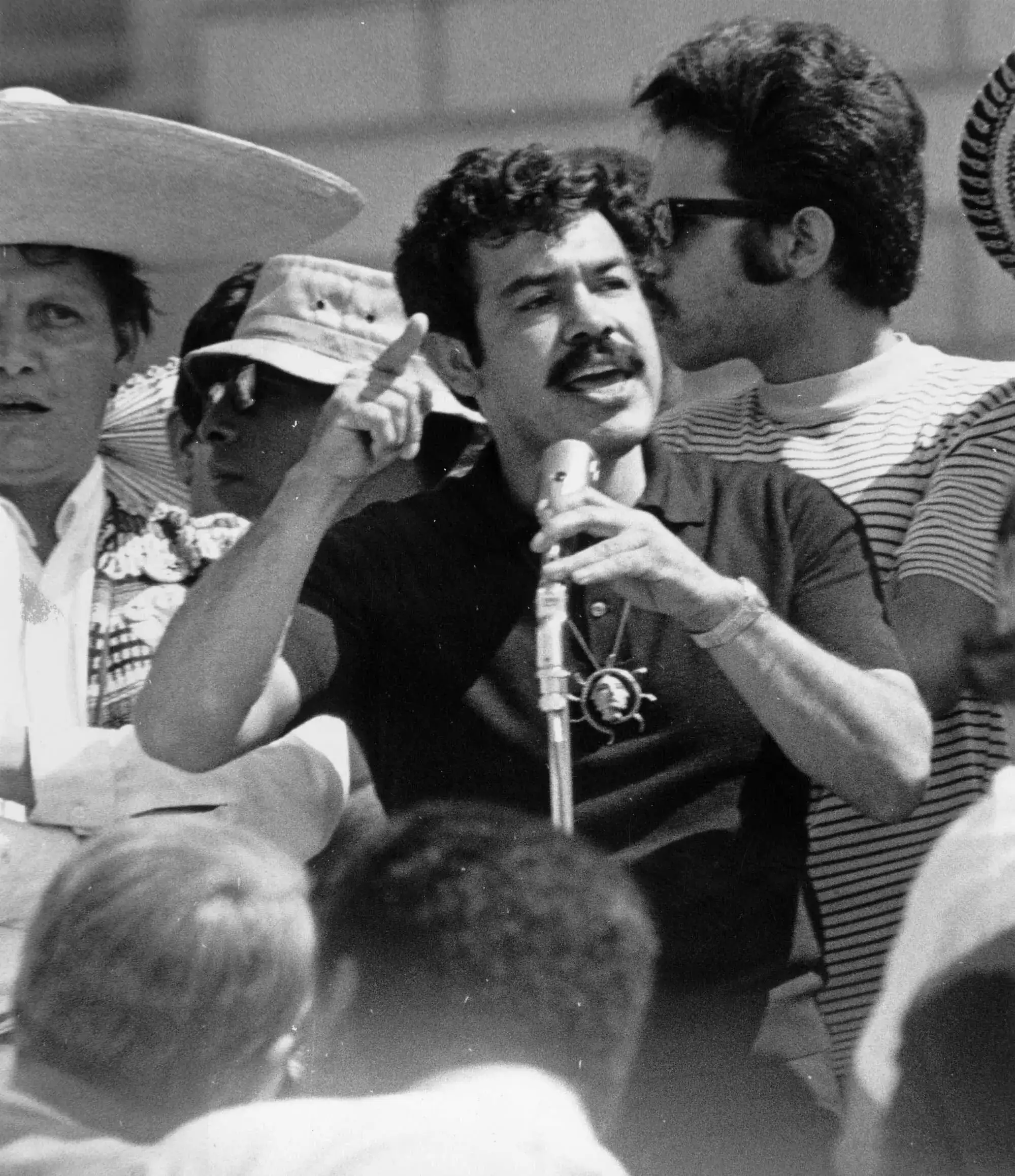
Richard Castro, another key figure, focused on political activism and public service. A tireless advocate for educational equality, Castro helped found the Latin American Research and Service Agency (LARASA) and worked to improve educational opportunities for Hispanic students across Colorado. His leadership extended to the political arena when he was elected to the Colorado House of Representatives in 1974, where he served for a decade. Castro’s efforts in pushing for bilingual education and fighting discrimination left a lasting impact on the state’s educational system and Hispanic communities.
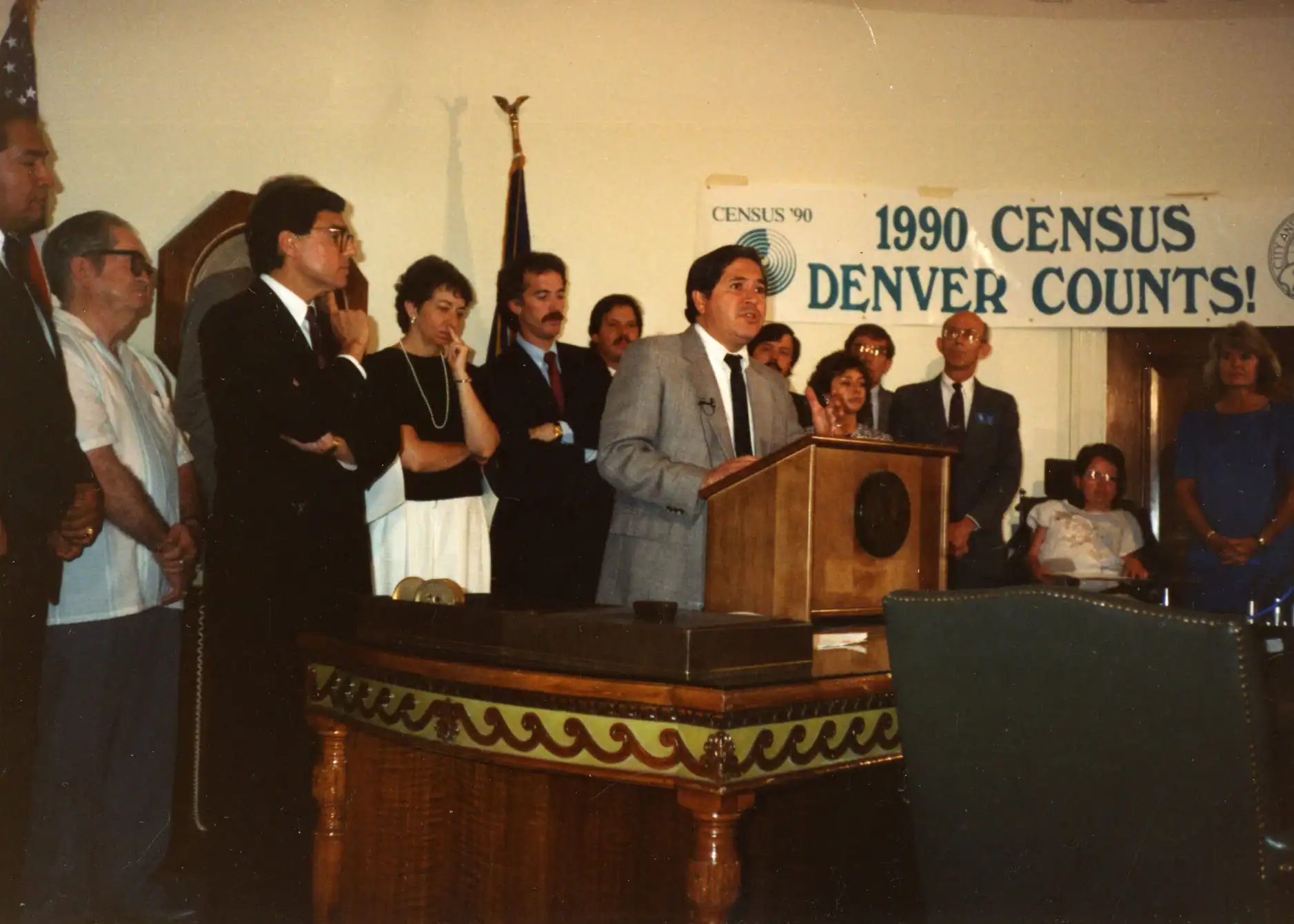
The efforts of Gonzales, Castro, and other leaders brought issues like discrimination, educational inequities, and housing disparities to the forefront of Colorado politics. Their activism not only reshaped local policy but also paved the way for greater Hispanic representation in government.
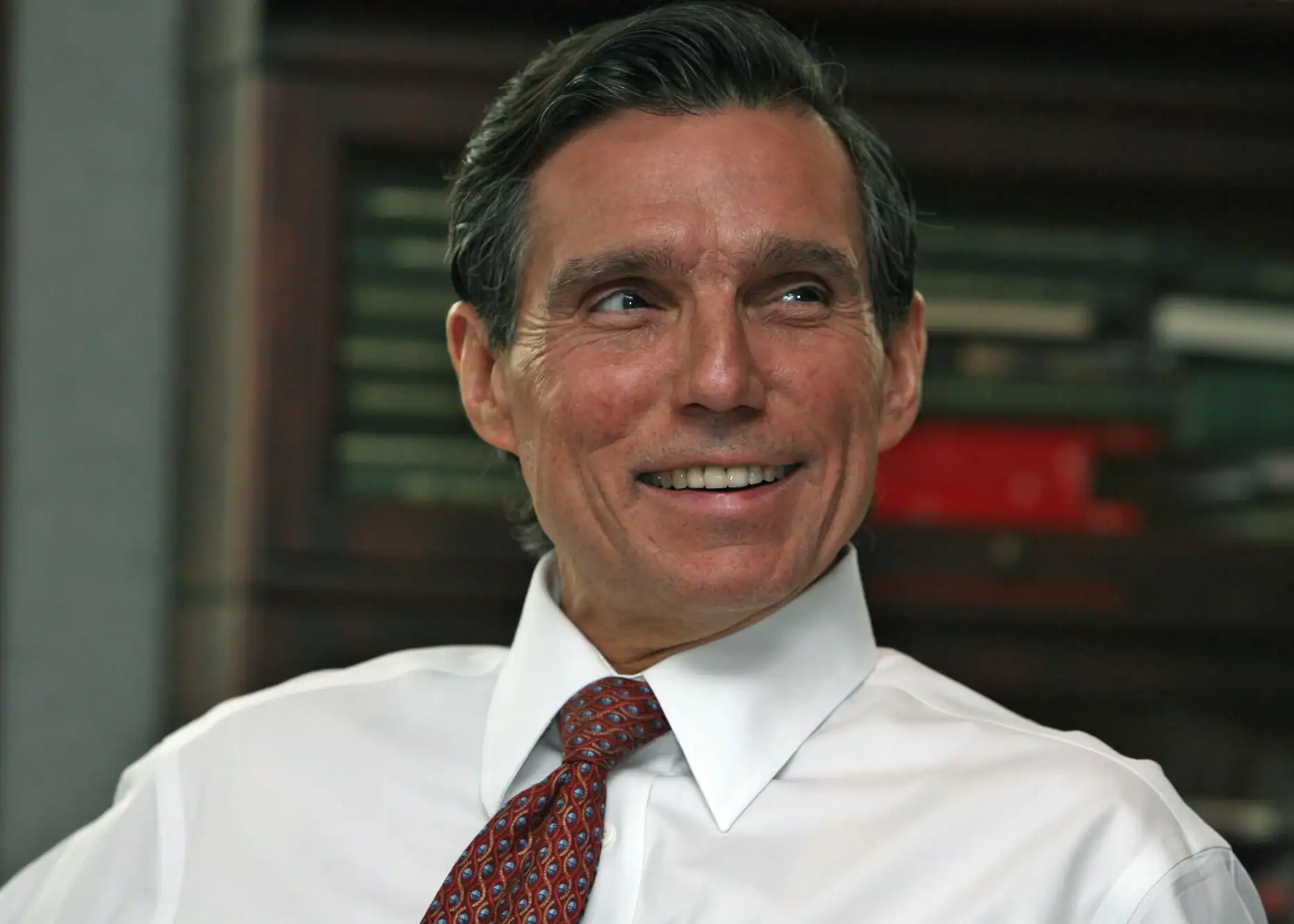
In 1983, Federico Peña was elected as Denver’s first Hispanic mayor, serving two terms and later becoming the U.S. Secretary of Transportation. His success, along with that of other leaders like Ken Salazar and John Salazar, demonstrated the growing political influence of Colorado’s Hispanic population.

Enduring Heritage
As Denver evolves, the Hispanic community's influence remains steadfast—integral to both the city’s past and its future. Recognizing this legacy isn’t just about honoring history; it’s about understanding the people and culture who continue to drive Denver forward. Their contributions, whether in politics, the arts, or the economy, have shaped the city we know today—and will keep shaping it for generations to come.
















Socials