
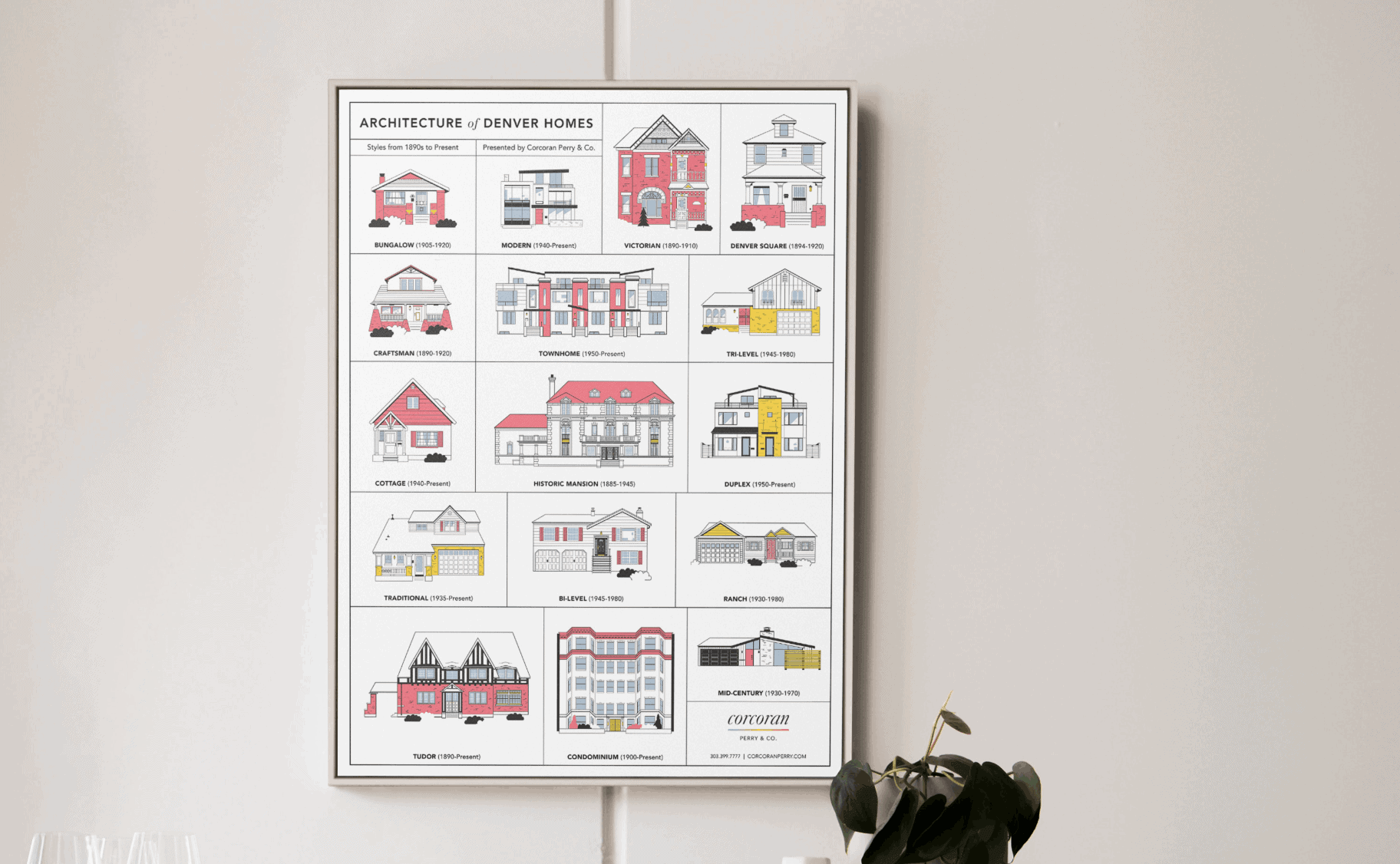
Throughout your home search, you'll likely hear countless architecture terms you've heard of, but only on HGTV
As the perky couples travel from home to home with their cheery TV real estate agent - looking at this Victorian or that Tudor - you nod and smile approvingly at your screen. You may even think to yourself, œthey should definitely buy that charming Tudor!
But despite your grin, you're probably not quite sure how to spot the difference between a Craftsman and a Denver Square.
This may seem like just a small matter of semantics, but when it comes down to it, the more eloquently you can describe your dream home, the quicker you'll find it. Even the best Denver real estate agent can't read your mind. And there's no doubt that you'll encounter many types of homes on your quest for the perfect house.
So, whether you're dreaming of a sleek contemporary build or a cozy classic bungalow, we've got you covered. Browse our essential home architecture glossary and take the next step toward finding the house you've always pictured.
Types of Homes
Bi-Level | Bungalow | Condo | Cottage | Craftsman | Denver Square | Duplex | Mid-Century Modern | Modern-Contemporary | Ranch | Townhome | Traditional | Tri-Level | Tudor | Victorian
Bi-Level

The bi-level home, built predominantly between 1950 and 1980, is the multi-story answer to the one-story ranch home. Known for its iconic mid-level main entry, the split-level floor plan offers vertical space and room on a tight lot size. You can find Bi-Level homes in areas like Bear Valley, Green Mountain, Goldsmith, Lakewood, Littleton, Montbello, and Virginia Village.
Bungalow
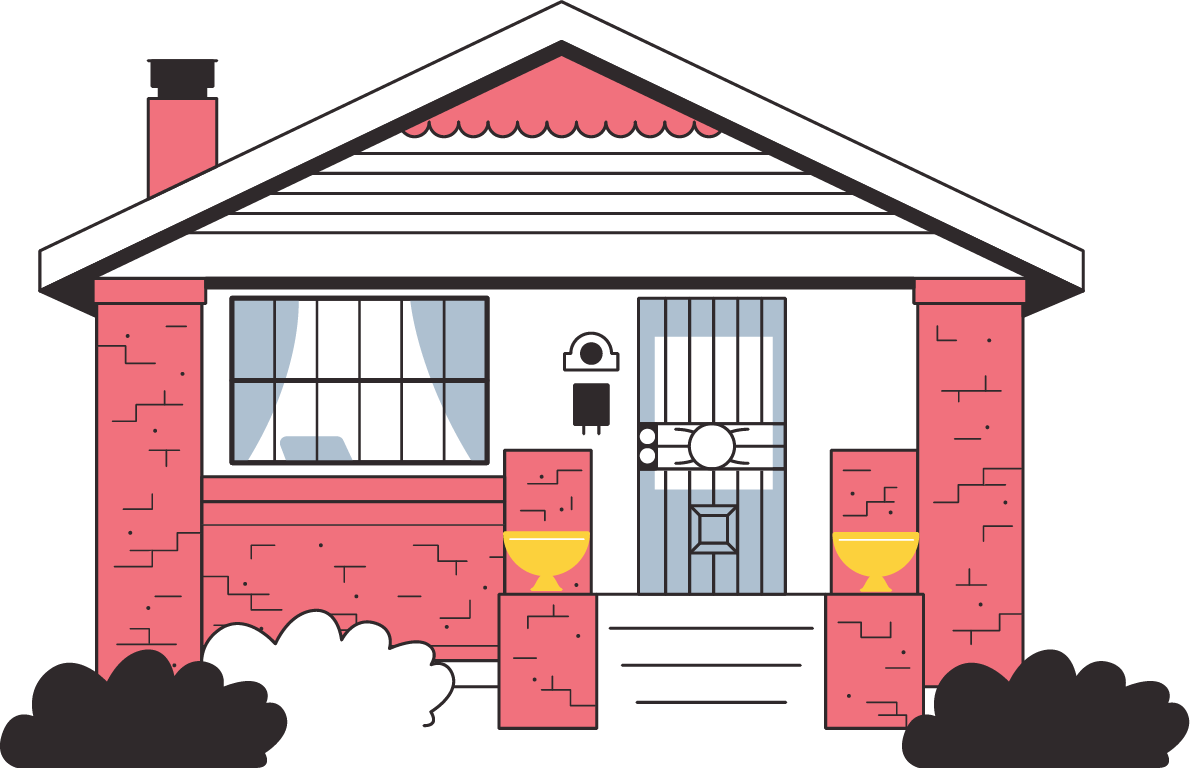
A spin-off of the Craftsman, the bungalow is a smaller one-story single-family home, with the majority built between 1900 and 1930. Today, it's common to find attic spaces converted into second-story bedrooms, adding to their charm and functionality. Bungalows often feature large front porches and a simple, yet elegant, architectural style. They are prevalent in Denver neighborhoods such as Berkeley, Clayton, Cole, Congress Park, Highland, Park Hill, Skyland, Sloan's Lake, and Sunnyside.
Condo
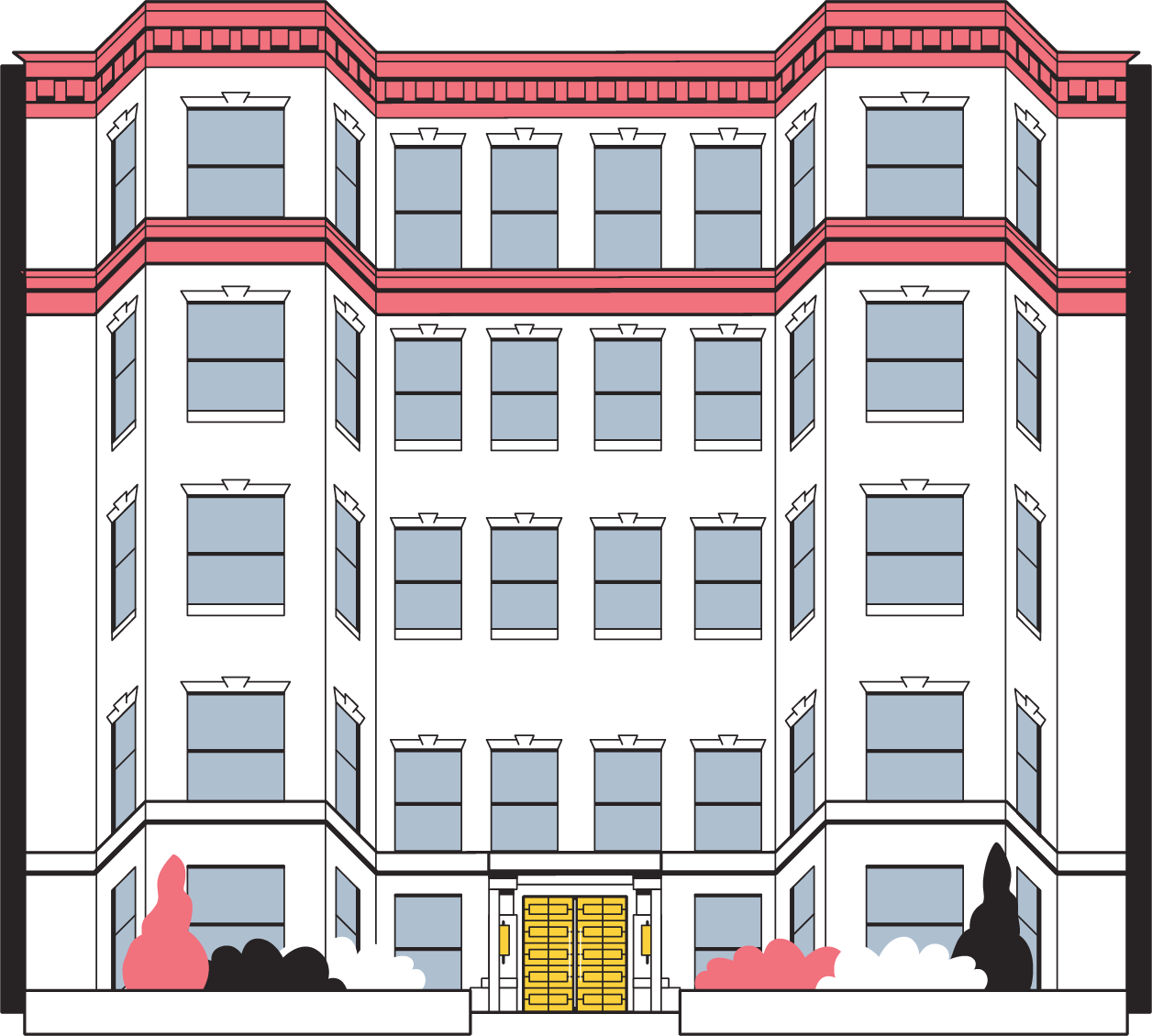
Condominiums, developed from 1900 to the present, offer the best of community living at a smaller footprint. Typically, condos are developed as larger high-rises to take advantage of the views, vertical space, and accessible features. Condos often come with amenities such as gyms, pools, and communal spaces. They are ideal for those looking for low-maintenance living in urban areas. Popular areas for condos include Auraria, Downtown, Capitol Hill, Cheesman Park, Cherry Creek, and City Park.
Cottage
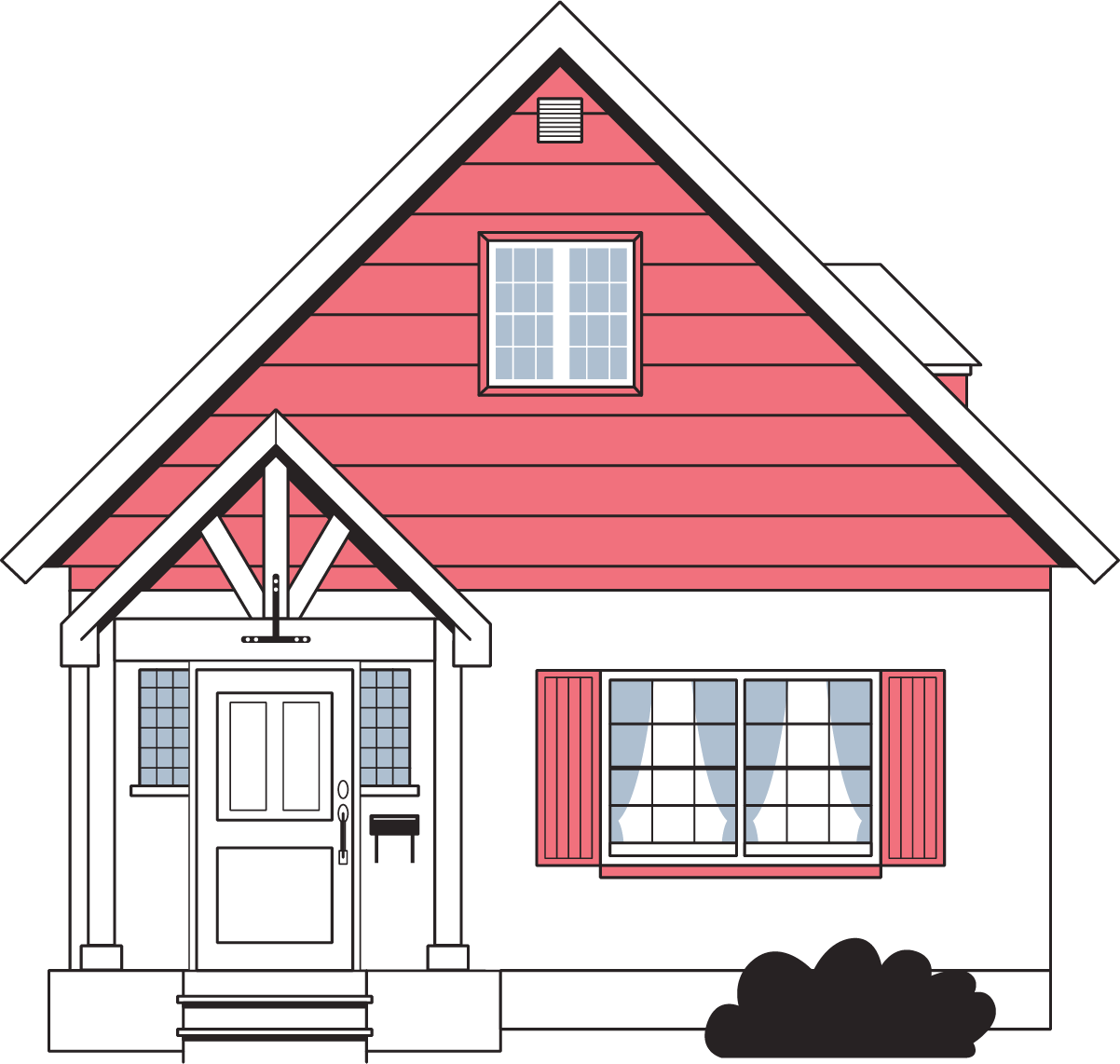
One of the most popular home styles of the early 1910s, the classic cottage, built between 1910 and 1930, featured an iconic steep roof and front porch. Occasionally, the style could be seen in schoolhouses, train stations, or smaller institutional buildings. Cottages often have charming, quaint designs that make them highly desirable. You can find these homes in Denver neighborhoods like Baker, Barnum, Mar Lee, Ruby Hill, Valverde, and Villa Park.
Craftsman
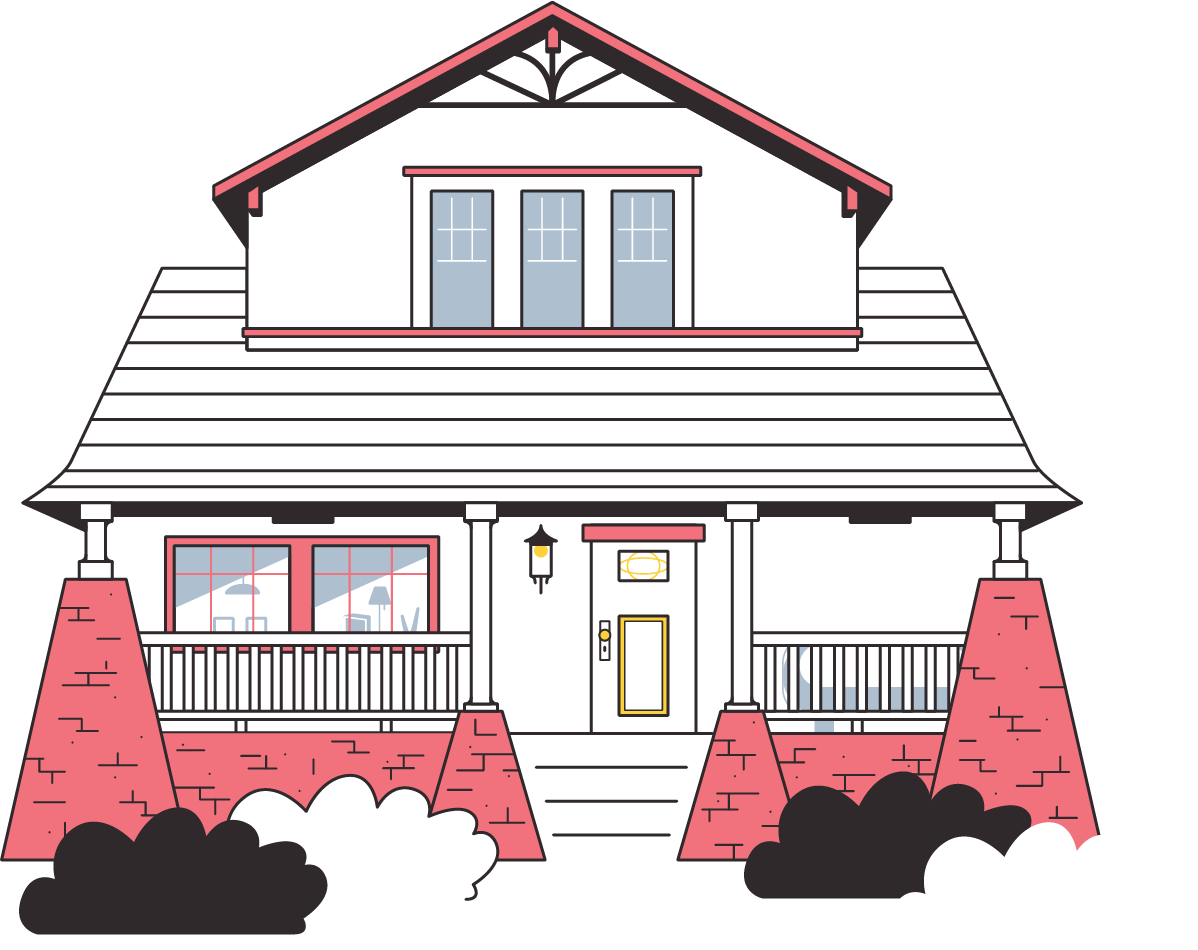
The craftsman style, built predominantly from 1890 to 1930, emerged from the Arts and Crafts movement in England. This movement advocated for the return of more ˜handcrafted' and natural materials. Single-story craftsman homes often feature detailed woodwork on the interior, wide front porches, and overhanging eaves. These homes are known for their cozy, welcoming feel and are found in areas such as Berkeley, Congress Park, Highland, Park Hill, Platt Park, and Wash Park.
Denver Square
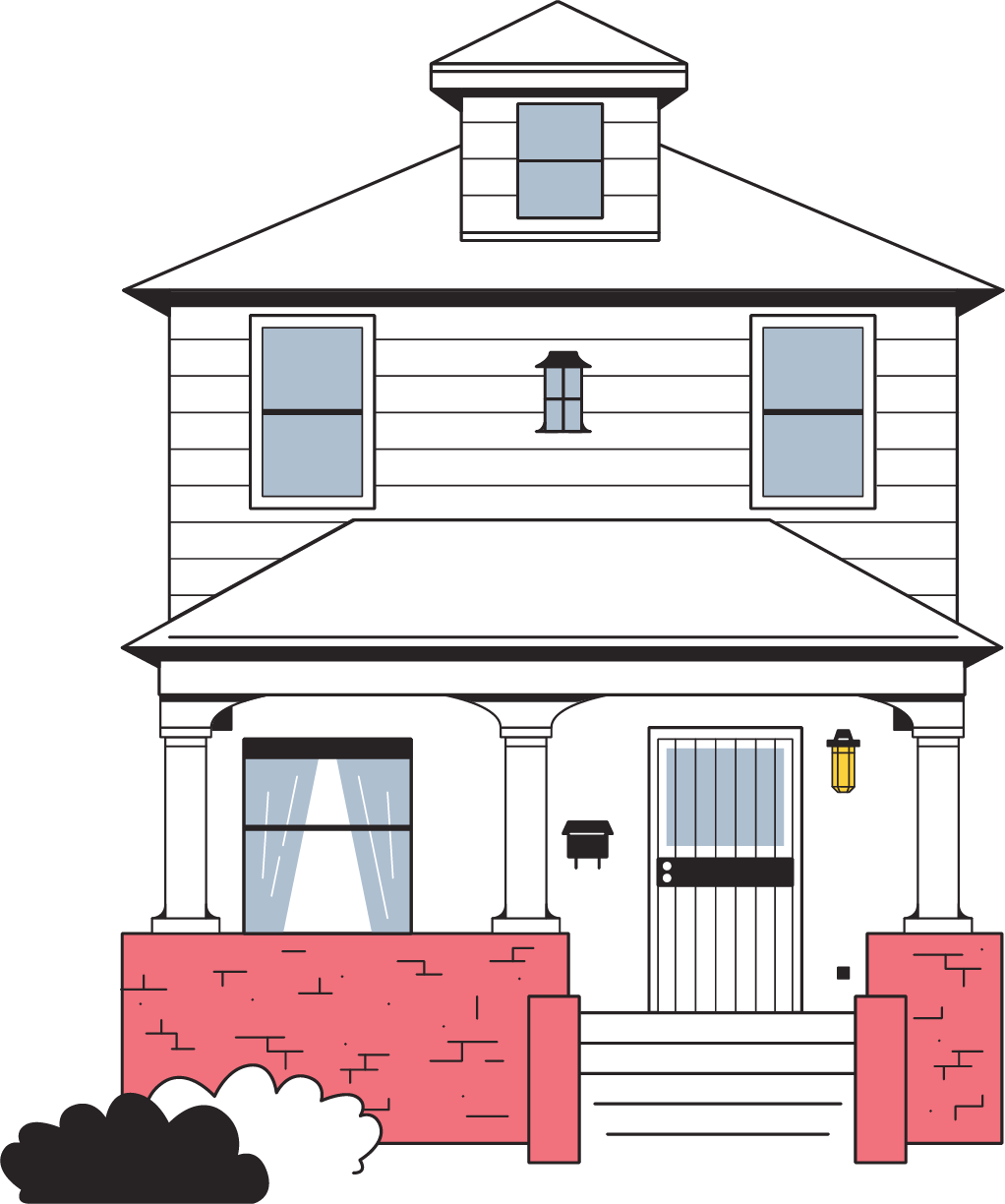
The Denver square, built between 1900 and 1930, is Colorado's stamp on the traditional foursquare design. The boxy shape, wide covered porch, and large windows became one of the most popular home styles at the turn of the 20th century. These homes are known for their spacious interiors and solid construction. They are prominent in Denver neighborhoods like City Park, Congress Park, Country Club, Highland, and South Park Hill.
Duplex
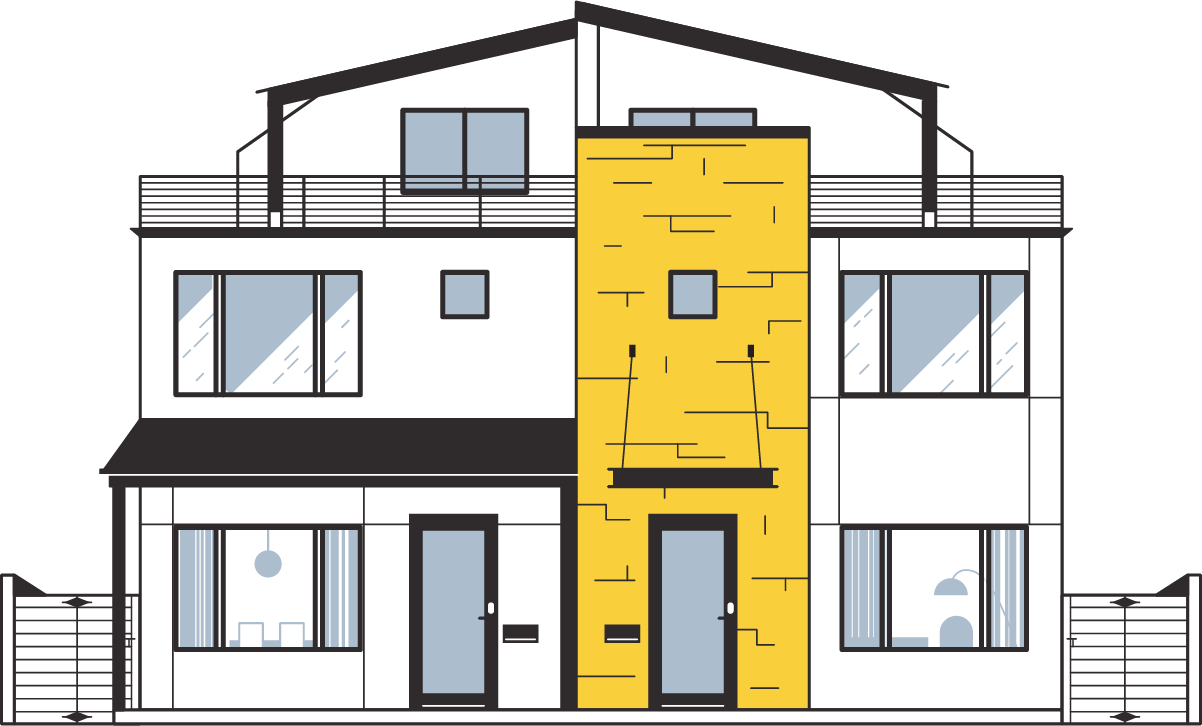
Also known as the ˜semi-attached' architectural style, the duplex, built from 1950 to the present, features an exterior designed to look like two separate living quarters, though structurally the residences share a common wall. Duplexes are ideal for multi-generational living or for rental income. They are found in areas such as Central Park, Cherry Creek, Highland, Jefferson Park, Sloan's Lake, and Sunnyside.
Mid-Century Modern
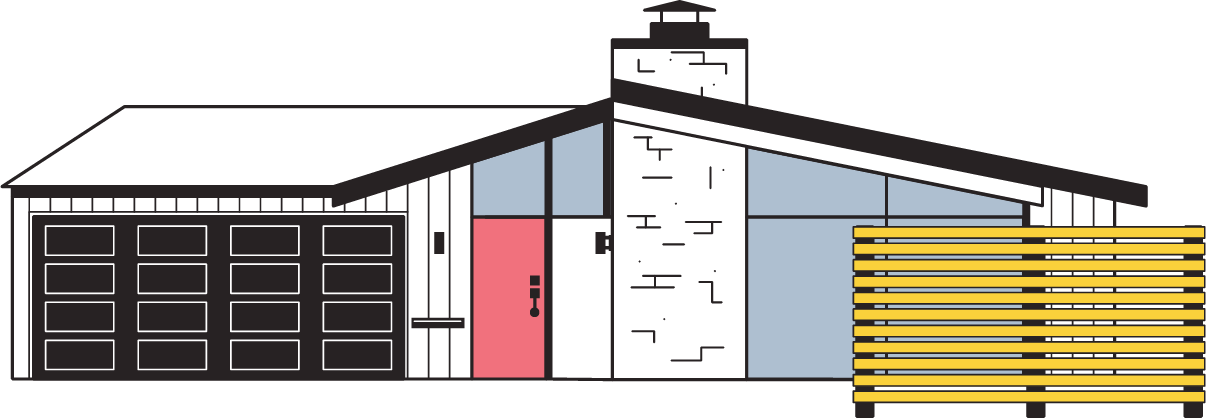
The ˜organic' version of modern style, mid-century architecture, built between 1930 and 1950, places an emphasis on ˜form over function' in its design while keeping pleasing aesthetics in the picture. This style became extremely popular after WWII, featuring clean lines, large windows, and open floor plans. Mid-century modern homes can be found in Denver neighborhoods like Goldsmith, Harvey Park, Virginia Village, Virginia Vale, and Wellshire.
Modern-Contemporary
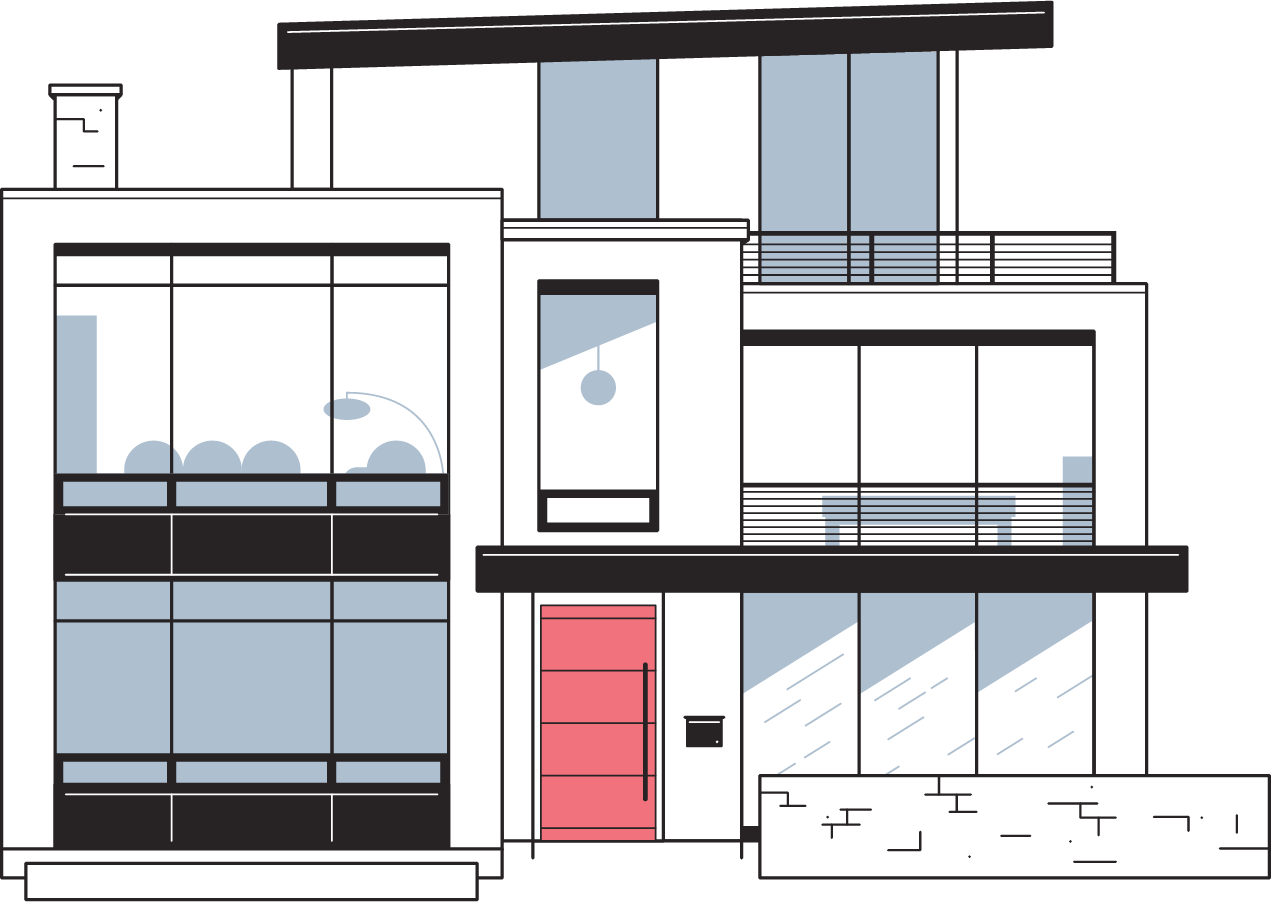
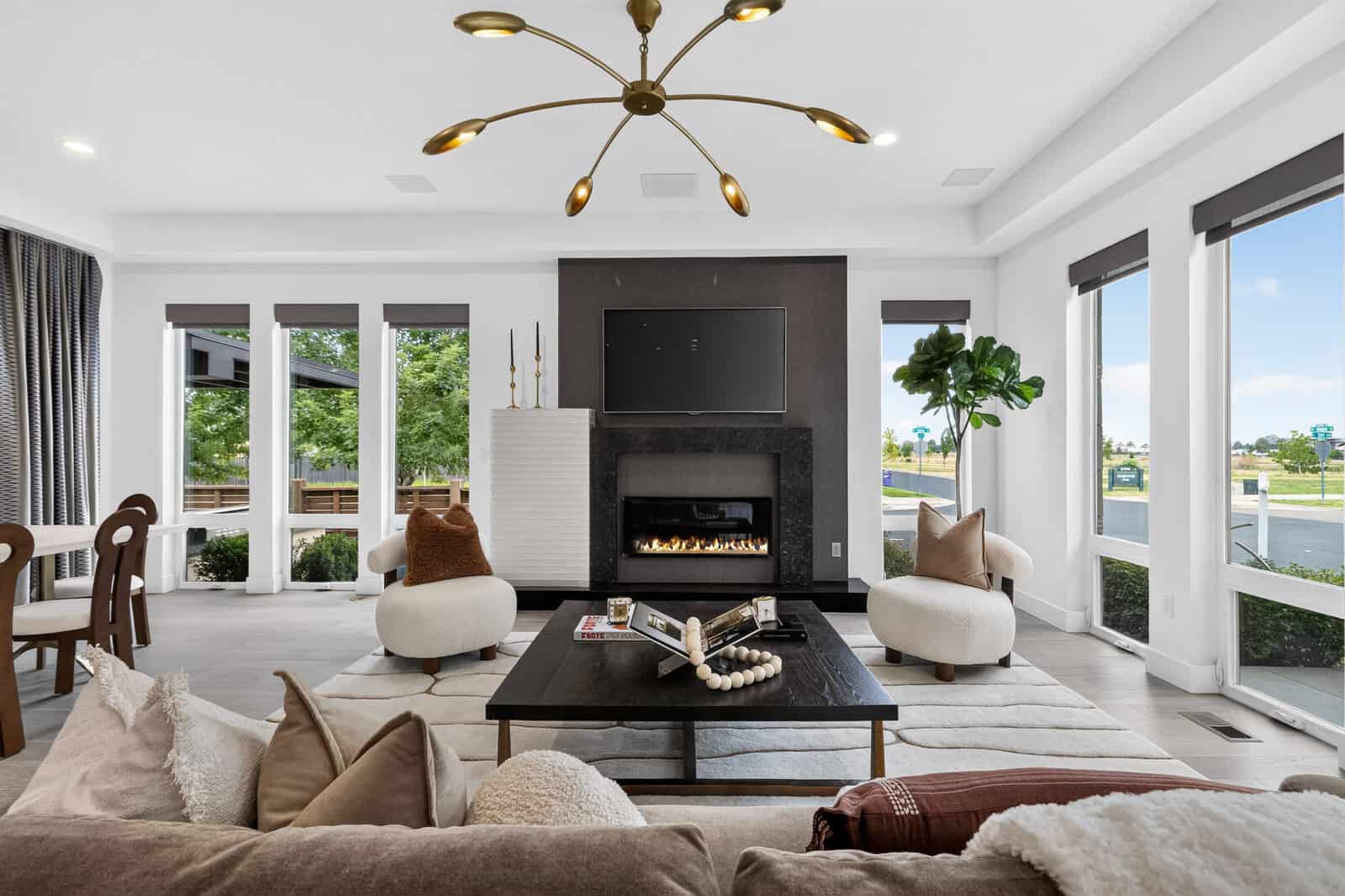
The modern style, built from 1950 to the present, is more than an aesthetic approach; its clean lines and geometric shapes embody a level of sophisticated communication and intellect. Modern contemporary homes often feature minimalist designs, open spaces, and an emphasis on natural light. These homes are common in areas such as Cherry Creek North and South, Country Club, Central Park, Cory-Merrill, Highland, Hilltop, Jefferson Park, and Platt Park.
Ranch
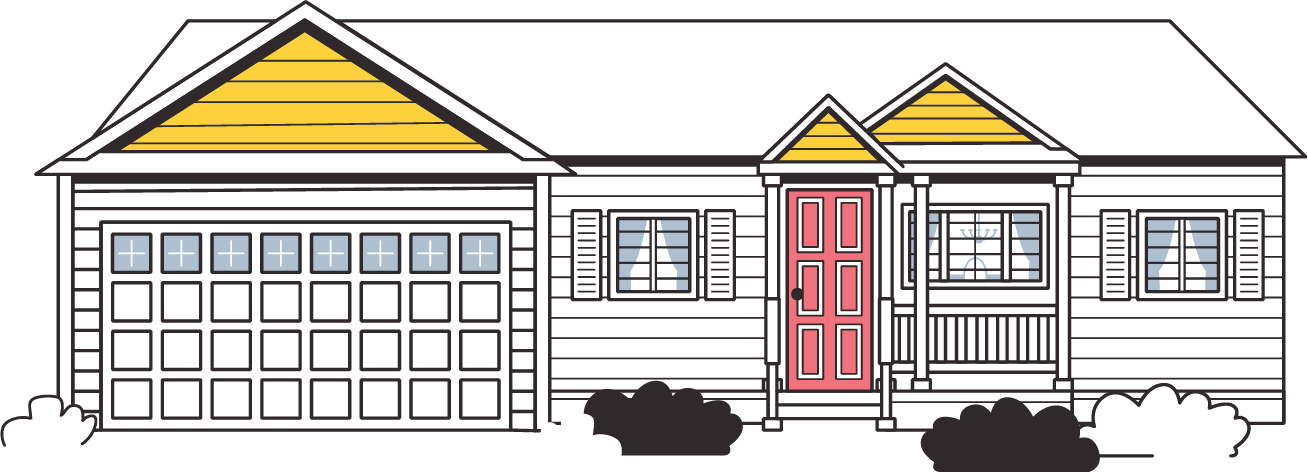
The ranch-style home, popularized in the 1940s, became highly desired for its attractive silhouette, low roofline, asymmetrical design, and elongated single-story floor plan. Ranch homes offer ease of access and a straightforward design. They are found in Denver neighborhoods such as Athmar Park, Barnum, Belcaro, Harvey Park, Overland, Regis, Skyland, Valverde, and Wellshire.
Townhome
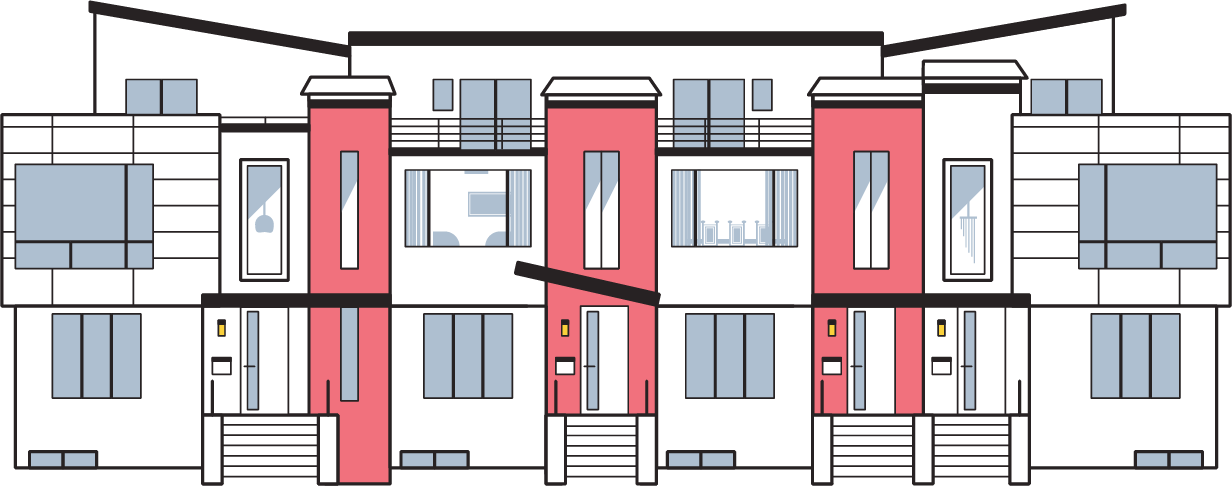
Townhomes, built from 1950 to the present, became the answer to residential living in cities. Their smaller footprint, vertical design, and cost-friendly construction proved to be the perfect solution for developing the Denver suburbs. Townhomes often feature multiple floors, maximizing space in a compact design. Popular areas for townhomes include Capitol Hill, Central Park, Cherry Creek, Highland, Jefferson Park, Lincoln Park, Lowry, and West Colfax.
Traditional
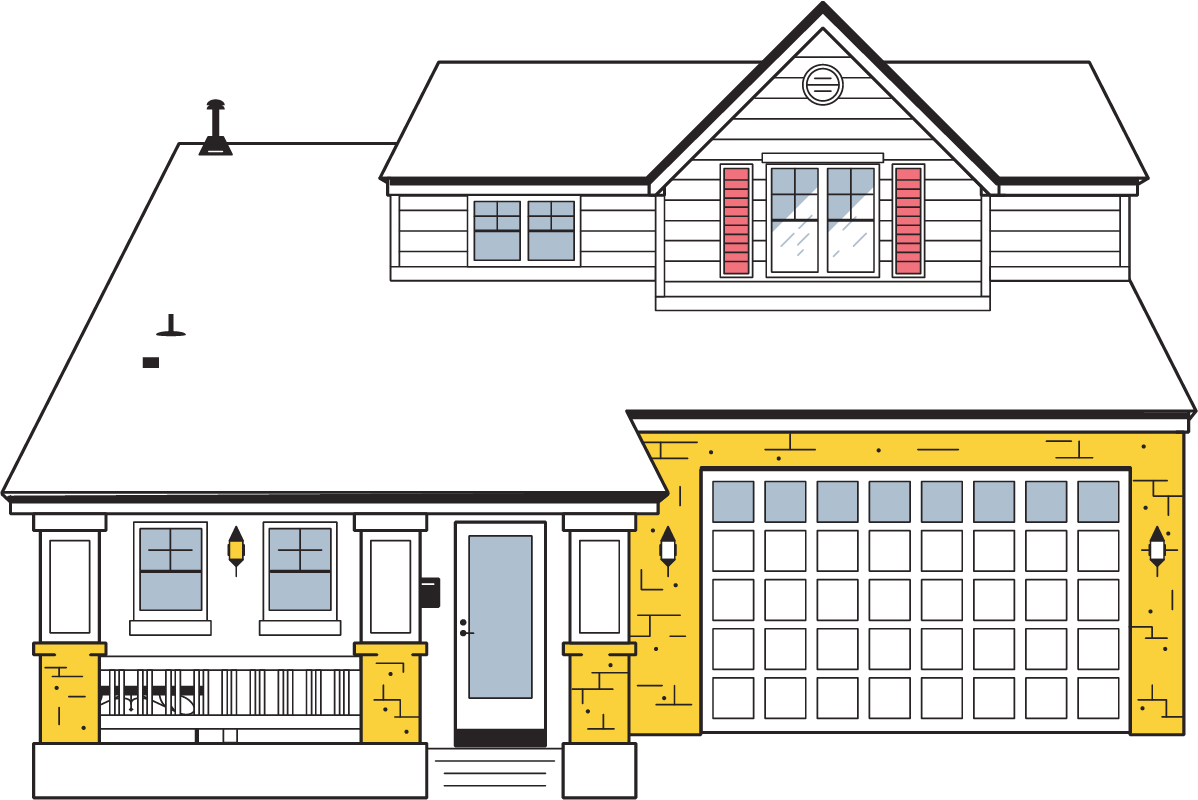
Known for its simple design and boxy appearance, the traditional style has been built from 1950 to the present. This style became popular because it was larger than the Federal Housing Authority standardized plan and could be constructed at little cost. These homes often feature classic designs and layouts that appeal to a wide range of homeowners. Traditional homes can be found in Belcaro, Cory-Merrill, Green Valley Ranch, Hilltop, Park Hill, University, and Wash Park.
Tri-Level
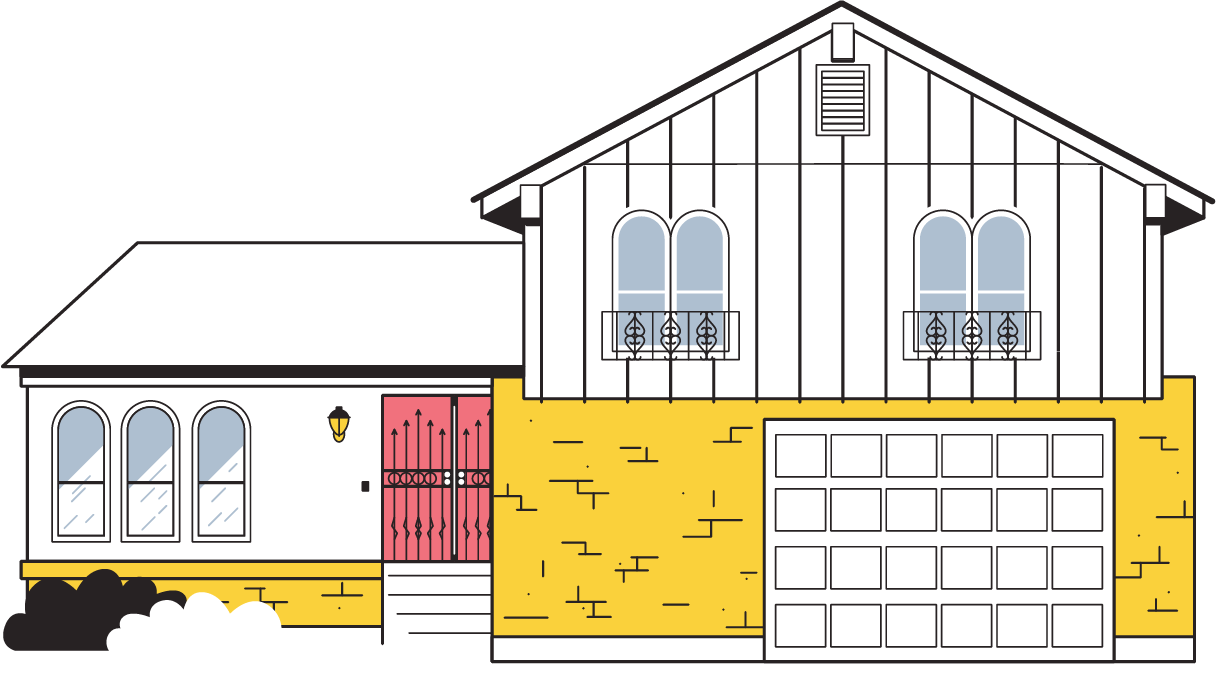
Also known as a split-level home, the tri-Level, which began construction in the 1930s, describes the building type rather than a style. With similar lines and design, the tri-level is essentially a reinforced ranch, connecting two additional floors at one story section, creating three staggered floor levels. These homes offer distinct living areas on different levels, providing a unique layout. Tri-Level homes are common in Highlands Ranch, Goldsmith, Hampden, Montbello, and Southmoor Park.
Tudor
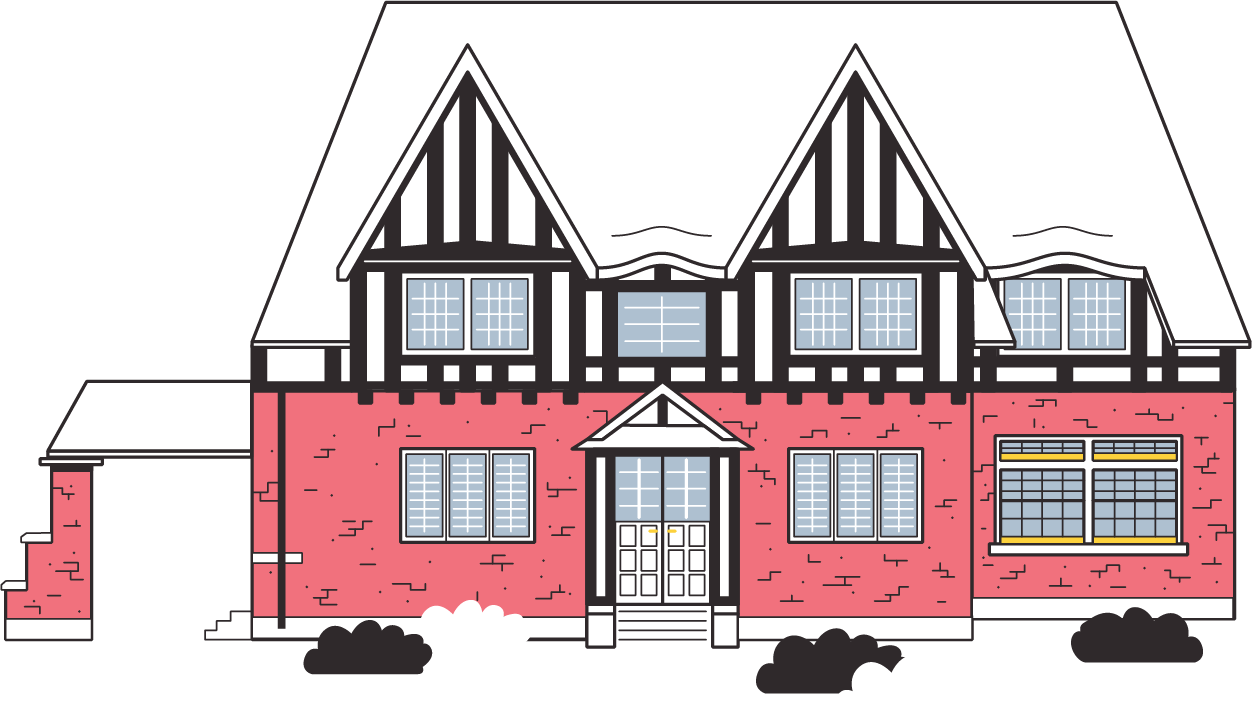
The Tudor style, built predominantly between 1890 and 1930, is most recognizable for its steep-pitched roofs, half-timbering, tall, narrow windows, and elements of late Medieval English style. Typically, these homes feature a massive chimney and second-story overhang. Tudors are known for their storybook appearance and charming details. They are prevalent in Belcaro, Berkeley, Country Club, Hale, Hilltop, Montclair, Sloan's Lake, and Highland.
Victorian
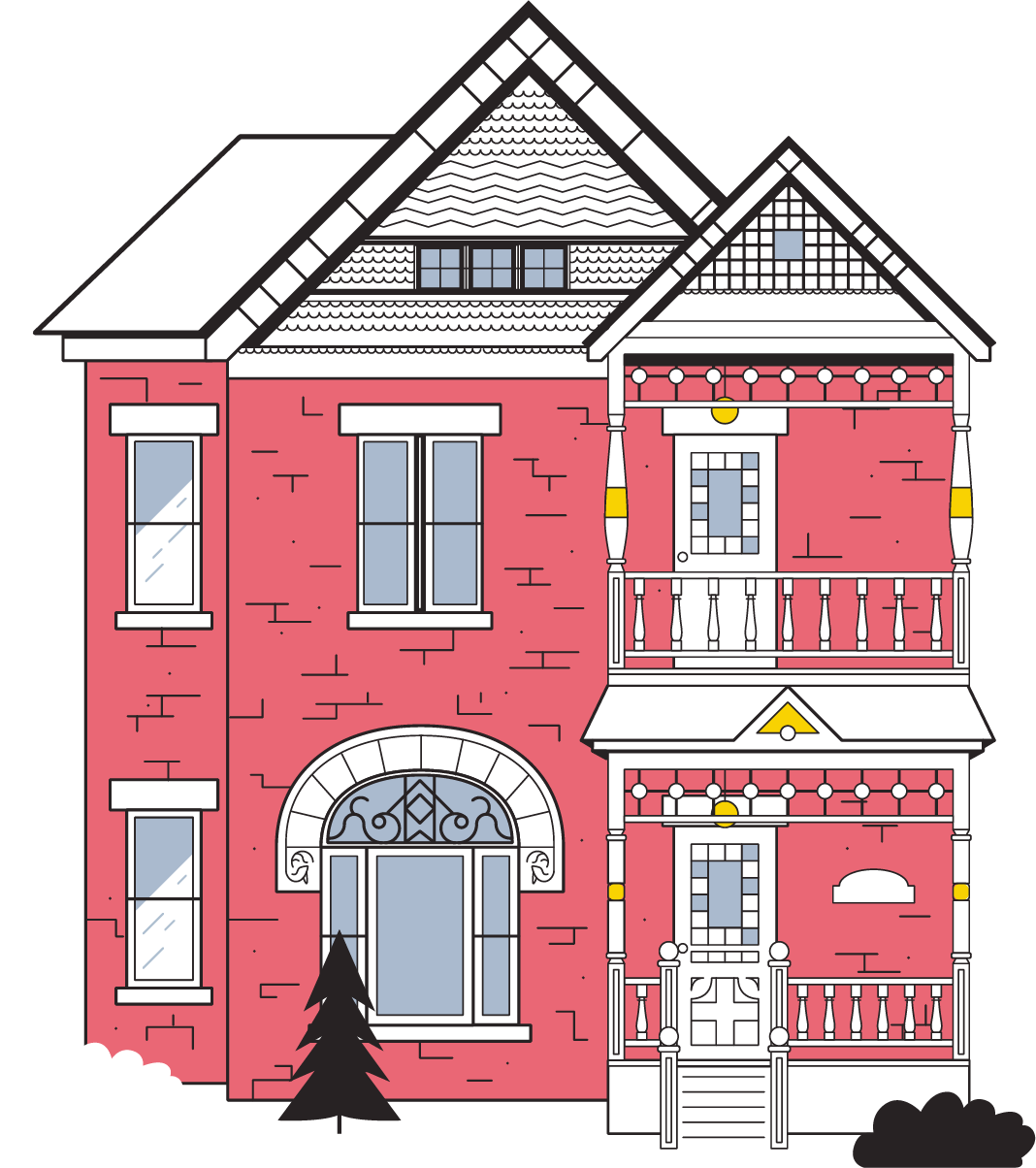
One of the more detailed home styles, Victorian builds, constructed between 1880 and 1910, are highly decorative with the period's style compared to other styles. Its recognizable, ornate details included intricate bay windows, steeply slanted roofs with decorative shingles, and sunburst detailing. Victorians are often seen as historical treasures with their unique and elaborate designs. These homes can be found in Baker, Capitol Hill, Curtis Park, Montclair, Wash Park, Highland, and Whittier.
The Home Architecture Style for You
So, whether you love the handcrafted beauty of a craftsman, the practical layout of a bi-level, or the modern elegance of a contemporary, knowing what types of homes Denver offers will help you in house hunting. But, homebuying is no pop quiz cheat sheets are encouraged here (and everywhere you hunt). Download our handy printable home style guide for convenient reference while you search for your dream home.
















Socials