

Colorado. Home of the Rocky Mountains, craft brews, and mile-high fun if you catch the hazy drift. There are so many reasons to love the Centennial State. But, here's one many don't know: Colorado was the first state to enact women's voting by popular referendum and was the second state overall (just behind Wyoming where the bill was passed in state legislature). Many of the most influential women in Colorado History led the CO suffrage movement, advanced medicine, championed the civil rights movement, and spearheaded arts programs for generations to come. In honor of Women's History Month, here are just a few of those incredible women.
Influential Women in Colorado History:
1. Justina Ford
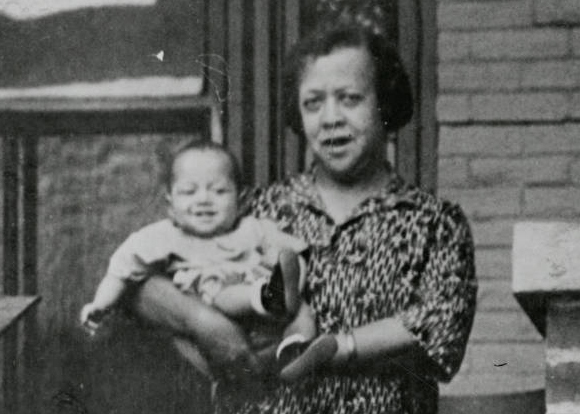
Justina Ford was an African American physician who made significant contributions to medicine, particularly in the field of obstetrics and gynecology. Ford attended Hering Medical College in Chicago, one of the few medical schools that accepted Black students at the time. She graduated in 1899 and became the first licensed Black female doctor in the state of Colorado.
Despite facing discrimination and being denied hospital privileges because of her race and gender, Ford opened her own medical practice in Denver in 1902. She provided medical care to a diverse clientele, including African Americans, immigrants, and low-income individuals who often faced barriers to accessing healthcare. Ford's dedication to her patients, especially expectant mothers, earned her the nickname "Baby Doctor."
In addition to her medical practice, Ford was actively involved in her community, advocating for social justice and civil rights. She was a prominent member of various civic and professional organizations, including the National Medical Association and the National Association of Colored Women.
Justina Ford passed away on October 14, 1952, leaving behind a legacy of medical excellence and social activism. In recognition of her contributions to medicine and her pioneering role as a Black female physician, her former home in Denver has been preserved as the Justina Ford House Museum.
2. Julie Villiers Lewis McMillan Penrose
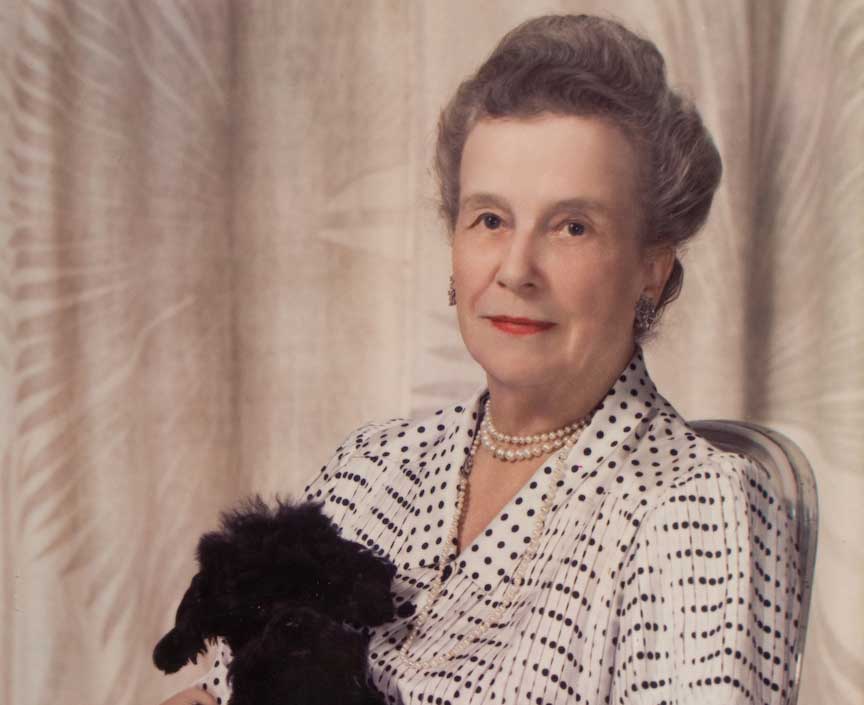
Julie Villiers Lewis McMillan Penrose, often referred to as Julie Penrose, was a prominent philanthropist and cultural leader in Colorado during the early 20th century. She played a significant role in shaping the cultural landscape of Colorado Springs and the Pikes Peak region through her generous contributions to various institutions and initiatives.
Penrose was instrumental in founding and supporting numerous cultural institutions in Colorado Springs, including the Colorado Springs Fine Arts Center. She provided significant financial backing to the center, which became a hub for visual arts, performing arts, and arts education in the region. Penrose was also a strong advocate for education and provided substantial support to educational institutions in Colorado. She made significant contributions to Colorado College, a private liberal arts college in Colorado Springs, helping to fund scholarships and academic programs.
Penrose recognized the importance of tourism and economic development in Colorado. She and her husband invested in the construction of luxury hotels, such as The Broadmoor, to attract visitors to the region and stimulate economic growth. Julie Penrose's philanthropy and leadership left a lasting legacy in Colorado, shaping the cultural, educational, and economic landscape of the state. Her contributions continue to benefit the people of Colorado and enrich the quality of life in the region.
3. Hattie McDaniel
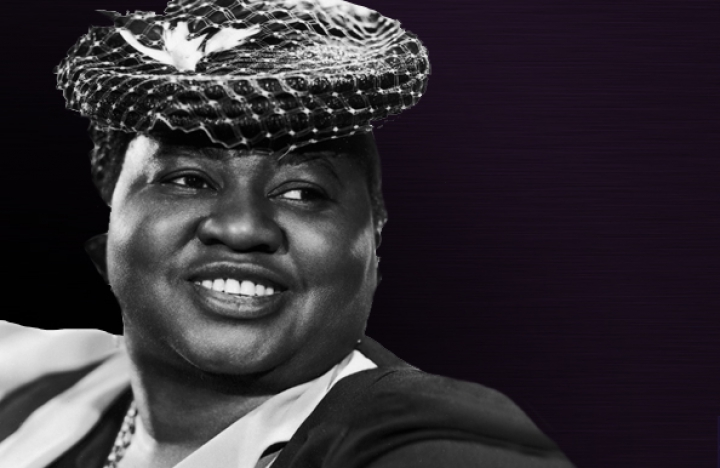
Hattie McDaniel was a pioneering Black actress, singer-songwriter, and comedian. Born on June 10, 1895, in Wichita, Kansas, she was the youngest of 13 children in a talented family. McDaniel's parents were former slaves who instilled in their children a love for music and performance.
McDaniel is best known for her role as "Mammy" in the 1939 film "Gone with the Wind". Though she played a devoted servant who reflected racial biases, McDaniel's performance transcended those limitations, bringing depth and humanity to her character. Her performance earned her widespread acclaim and made her the first African American to win an Academy Award. She won the Oscar for Best Supporting Actress for her performance, a groundbreaking achievement at the time (despite the racist segregation that barred McDaniel from joining the film's cast and crew at the segregated awards ceremony venue).
McDaniel's legacy extends beyond her achievements in Hollywood. She used her platform to advocate for racial equality and paved the way for future generations of Black performers. Despite the challenges she faced, McDaniel's talent, resilience, and trailblazing spirit continue to inspire people around the world.
McDaniel moved to Denver in the late 1940s, seeking relief from the racial discrimination and challenges she faced in Hollywood. She purchased a home in the Park Hill neighborhood, which became her residence for several years. During her time in Denver, McDaniel continued to perform and remained active in the entertainment industry.
While in Denver, Hattie McDaniel became involved in the local community and supported various charitable causes. She continued to advocate for racial equality and social justice, using her platform to raise awareness around issues facing Black Americans.
4. Theodosia Grace Ammons
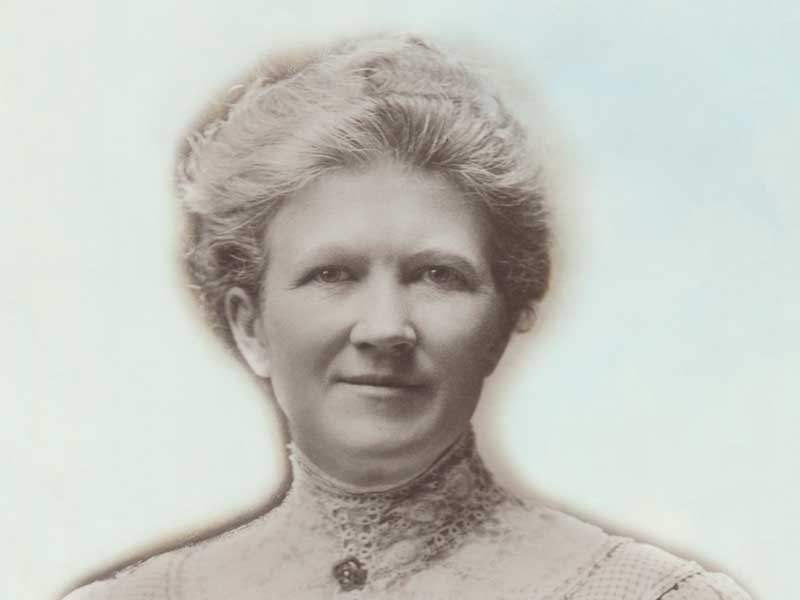
Theodosia Grace Ammons, also known as "Ma" Ammons, was a significant figure in Colorado's political history, particularly in the early 20th century. She was the wife of Colorado Governor Elias M. Ammons and became the state's First Lady when he took office in 1913. She played a notable role in supporting various causes and organizations in Colorado. As an ardent supporter of women's suffrage, actively campaigning for women's right to vote in Colorado and across the United States, her advocacy efforts contributed to Colorado becoming one of the first states to grant women the right to vote in 1893, decades before the passage of the 19th Amendment to the U.S. Constitution.
Ammons was also involved in various community service and philanthropic activities in Colorado. She supported initiatives aimed at improving the welfare of women, children, and families, including efforts to provide education, healthcare, and social services. Her dedication to causes such as women's suffrage and social reform left a lasting impact on Colorado's history and her activism helped contribute to advancements in civil rights and social justice.
5. Ellis Meredith
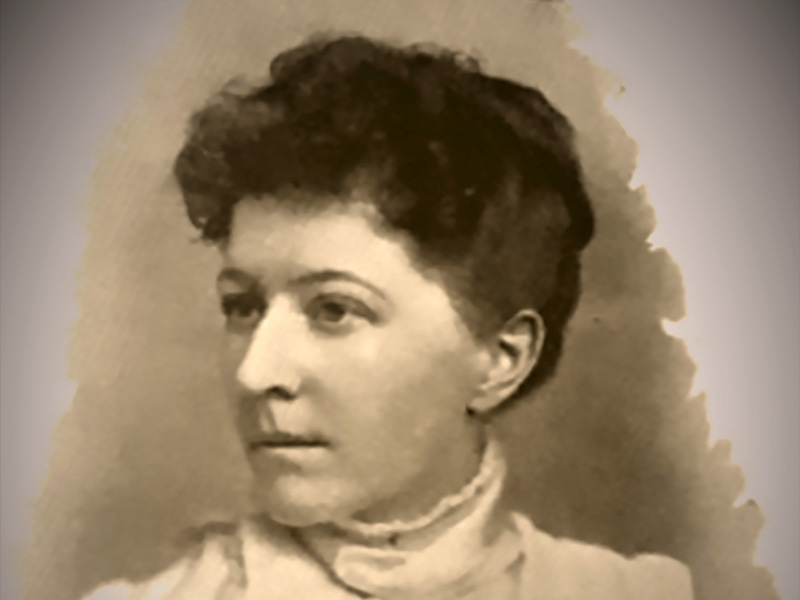
Born in Indiana in 1865, Ellis Meredith moved to Colorado in the 1890s and quickly became involved in various political and social causes. She was a notable contributor to Colorado journalism, women's rights, and social activism during the late 19th and early 20th centuries.
Ellis Meredith worked as a columnist and editor for several newspapers, including the Denver Times and the Denver Post. Meredith used her platform to advocate for women's suffrage, temperance, and other progressive causes. Her writing was influential in shaping public opinion and raising awareness about social issues.
In addition to her work as a journalist and suffragist, Ellis Meredith was involved in various political campaigns and initiatives in Colorado. She supported candidates who championed progressive causes and worked to advance policies related to women's rights, education, and social welfare and Meredith's commitment to public service extended beyond her journalism and activism. She served on the Denver Public Library Commission and was involved in efforts to promote literacy and education in the community. Meredith also participated in charitable endeavors, including fundraising for causes such as disaster relief and social welfare programs.
6. Mary Lou Anderson
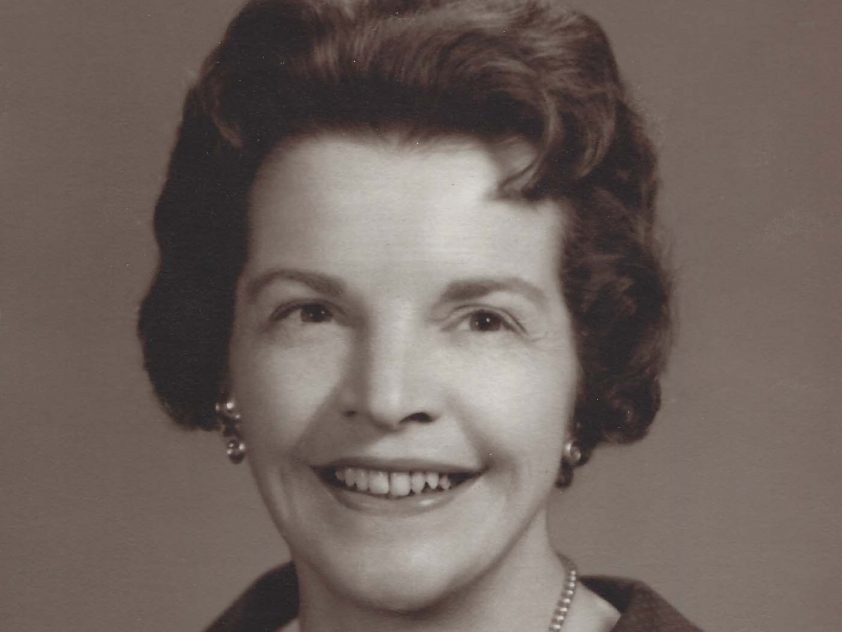
Mary Lou Anderson was a prominent philanthropist and community leader known for her contributions to education, healthcare, and social welfare programs, particularly in Colorado. Born in 1932, Anderson dedicated much of her life to supporting initiatives that improved the lives of others.
Anderson was a staunch advocate for education and believed in its transformative power. She supported numerous educational institutions and initiatives in Colorado, including scholarships for students, funding for schools and educational programs, and support for educators. Anderson recognized the importance of access to quality education in empowering individuals and communities. In addition to her support for education, Mary Lou Anderson was deeply committed to improving healthcare access and outcomes for underserved populations. She contributed to the development and expansion of healthcare facilities, programs, and services in Colorado, with a focus on addressing healthcare disparities and promoting wellness. She also supported organizations and projects aimed at addressing poverty, homelessness, hunger, and other social issues. Anderson believed in the importance of giving back to the community and making a positive impact on society.
Celebrating Colorado's Powerful Women
The legacy of the most influential women in Colorado History highlights several threads of progress cultural advancements that may not have been possible without these powerful, persistent, and brave activists. From pioneering strides in medicine to visionary leadership in philanthropy, these figures have left an undeniable impact on our state. But, these six barely scratch the surface of female contributions throughout Colorado's history. Visit the Colorado Women's Hall of Fame for more.
*Featured photo credit: Colorado Women's Hall of Fame (cogreatwomen.org).


















Socials