
Most Denverites are already well acquainted with the existing Light Rail system, which initially started running in 1994. The iconic cars, with their advertisements, are distinctly Denver.
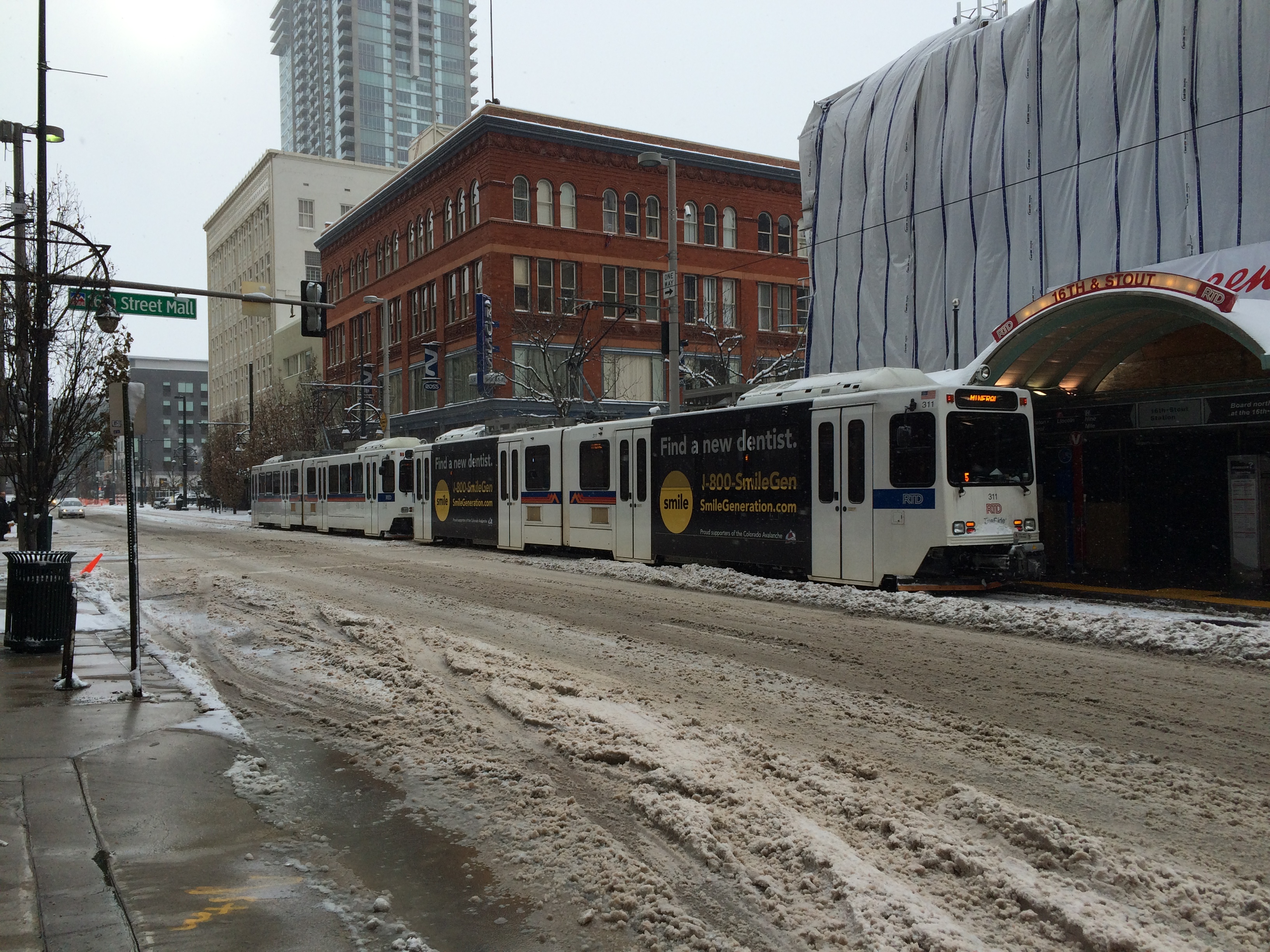
Over the years, additional lines were added to the system, mostly serving the Southern part of the metro region. (Current light rail map shown below)
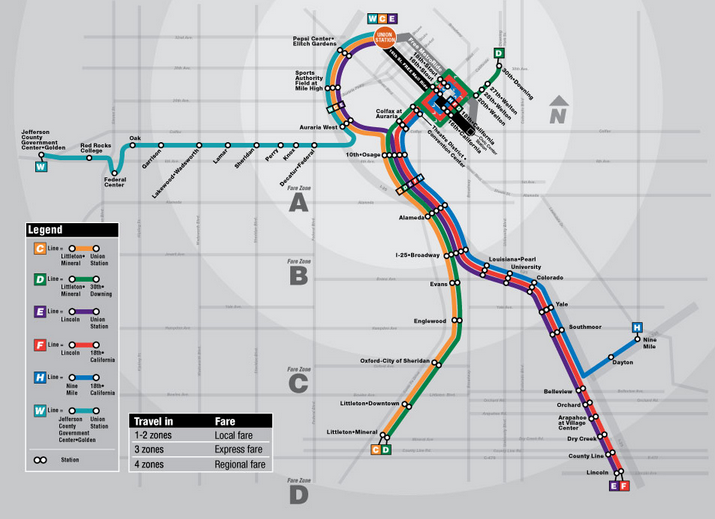
If you didn't live to the South you might not have had a chance to ride in one, or benefit from its use. Personally, I have actuallyonly ridden the light rail once, to get to a concert in Greenwood Village at Fiddler's Green amphitheatre. Other than that, it just hasn't served my needs, living in Lohi and working in the city proper. Fortunately the days of large swaths of the metro area not being close to a transit stop may be drawing to a close.
As part of RTD's Fastracks program, a massive expansion of the system is being undertaken, and when completed, should have a profound impact on transportation in the metro area.
The first line completed under Fastracks, in 2013, was the West Line, from Union Station to Golden.
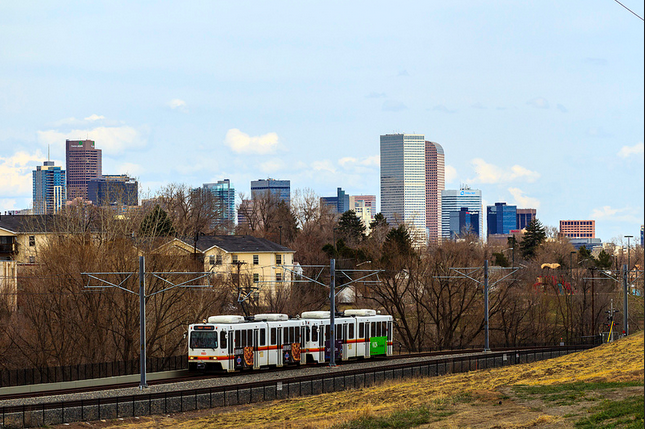
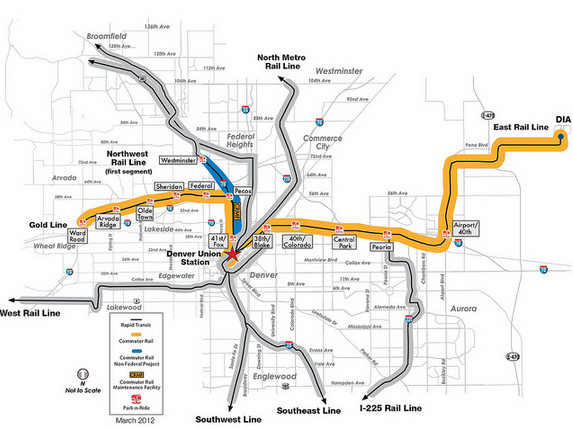
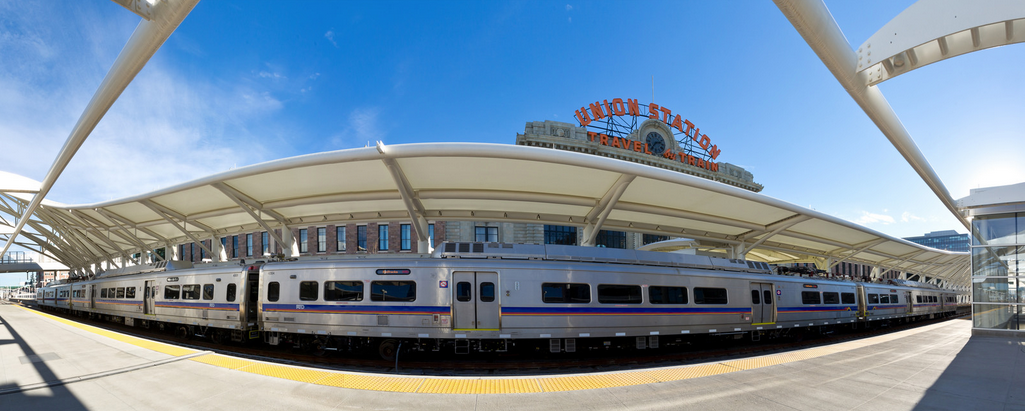
In the last year or so, you may have noticed the new Train canopy and platforms at Union Station or seen tracks being built around the area. Four new lines, three of which are set to open in 2016, will not only be brand new, but they will also function and look quite different than the existing light rail system. These four new lines, the Gold line, the Northwest line, the North Metro line, and the East line, will employ œcommuter rail cars and not œlight rail cars.
The new commuter rail cars are bigger (greater seat capacity and physically longer), heavier, and travel faster, up to nearly 80 mph. They will also contain more storage space for things like suitcases when traveling to DIA, and more spacious and comfortable seats. Additionally, commuter rail cars employ a different overhead electrical power delivery system than the light rail overhead system.
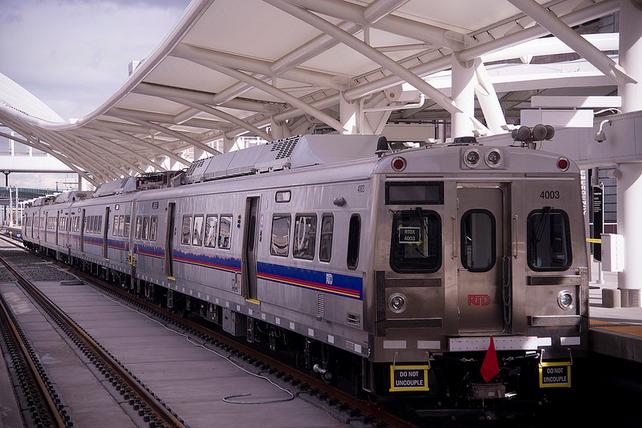
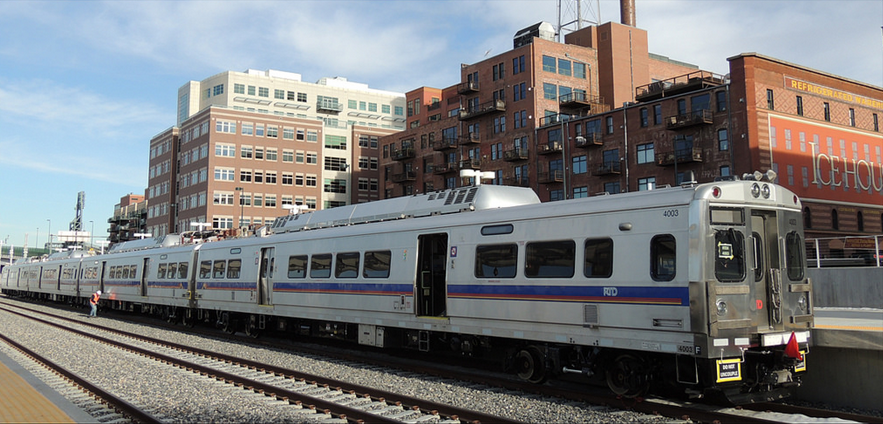
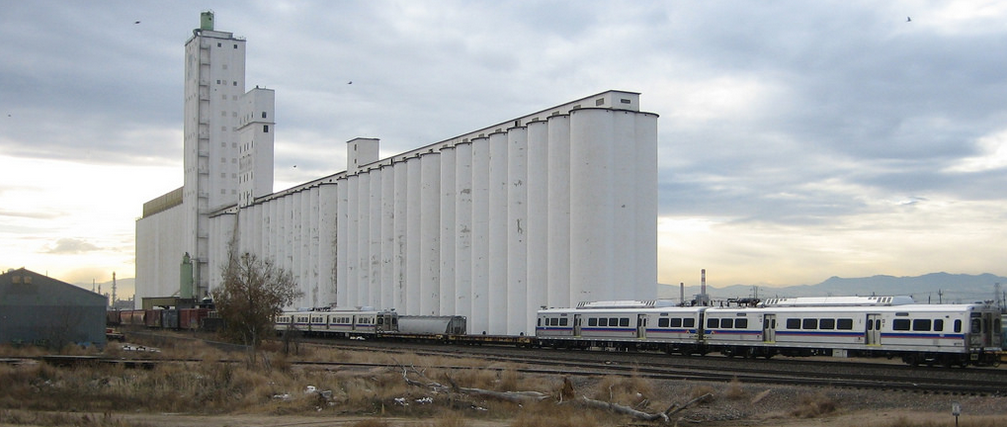
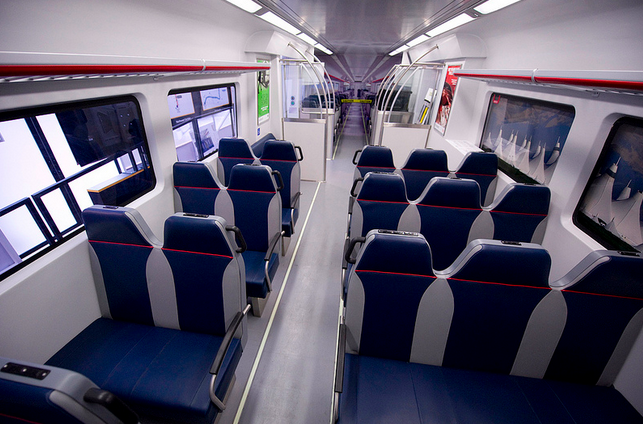
Conversely, our existing light rail cars are smaller and lighter, and therefore are more suited to travel within the city's streets, such as the Central extension, and on track that is not shared with freight trains.
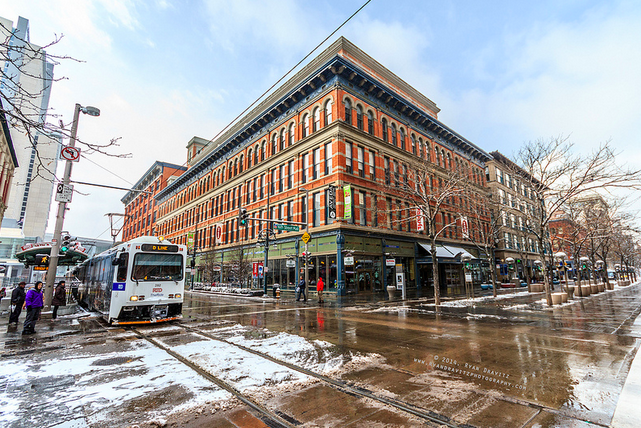
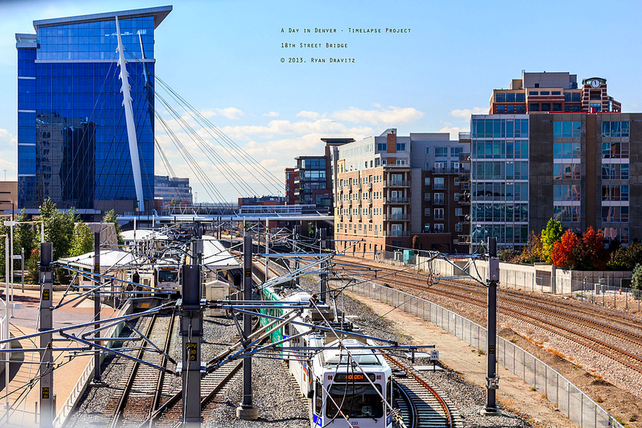
Another key difference between the light rail trains and commuter trains is that they will have two separate termini within the Union Station neighborhood. The Light Rail side of the station is on the Northwest side of Union Station and is currently already in operation, with 2 platforms.
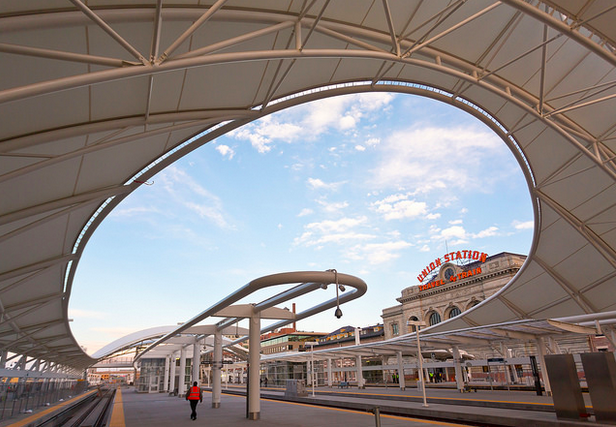
The commuter rail lines will terminate under the impressive white canopy right next to Union Station. Amtrak will also utilize one of the platforms under the canopy.
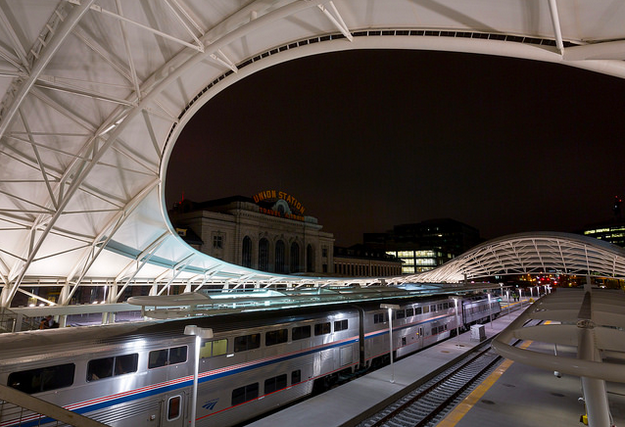
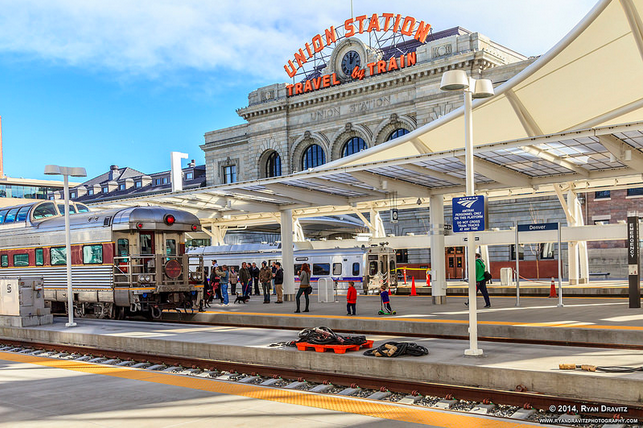
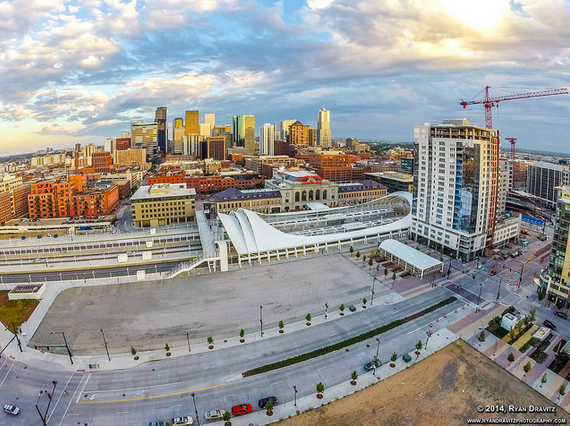
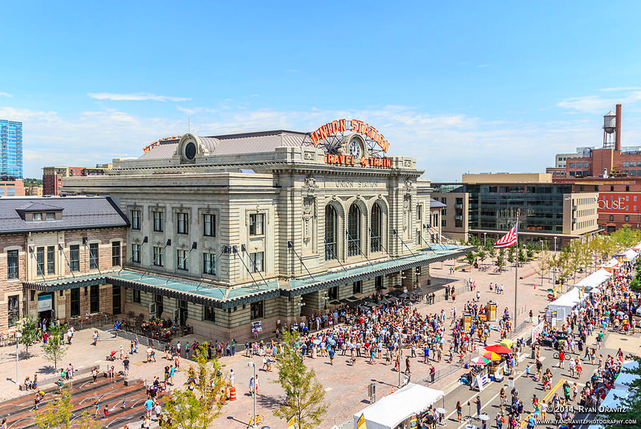
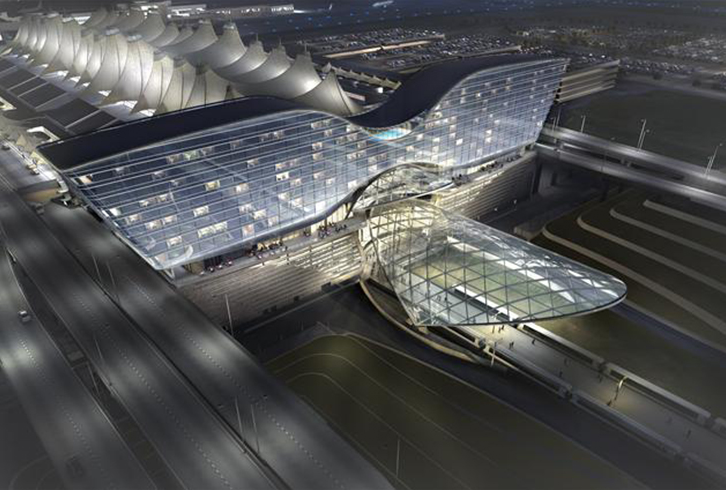
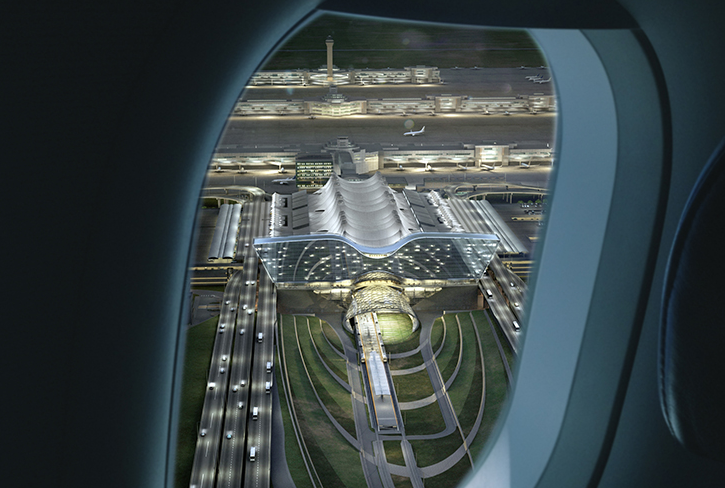
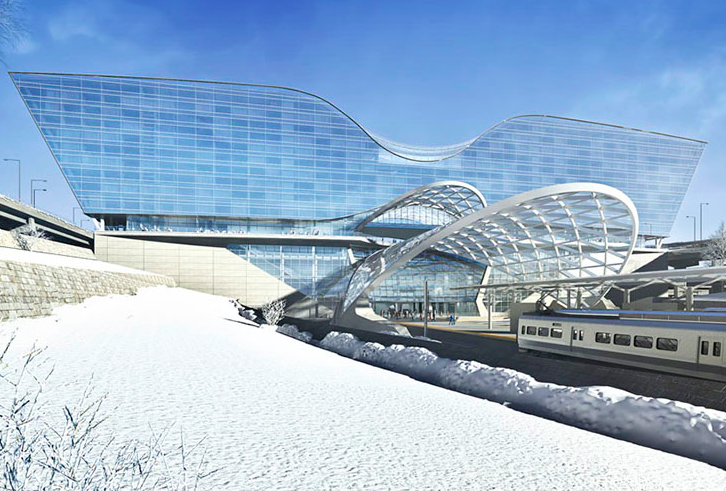
The renovation and redevelopment of Union Station, along with the new transit lines, both light rail, and commuter rail, are real game-changers for Denver and the metro area. It won't be long before we are taking the train to DIA!

















Socials