

Spring showers, spring forward, spring allergies of all the things that come along with spring, few are as helpful (or as quintessential) as an annual spring cleaning.
As the days grow longer and the weather warms, there's an undeniable urge to freshen up our surroundings and shake off the remnants of winter. It's a time to throw open the windows, let in the fresh air, and breathe new life into our homes. So, roll up your sleeves, grab your cleaning supplies, and get ready to tackle those dust bunnies and cluttered corners. With a little elbow grease and some strategic planning, you'll have your space sparkling and organized as always.
But, where does one start? A home is filled with sorting, neatening, and deep cleaning projects and you certainly wouldn't want to spend all of your spring days dusting, mopping, and boxing! We've got to do some tidying to the standard spring cleaning œlaundry list. These three spring cleaning projects offer a lot of bang for your buck, juice for your squeeze, and bounce for the ounce.
The Top 3 Spring Cleaning Projects
Organize Your Pantry|Clean Your Large Appliances|Rearrange Your Garage
Organize Your Pantry

Suggested Supplies:
-
Clear storage containers for dry goods
-
Labels or label maker
-
Shelving units or organizers
-
Baskets or bins for grouping similar items
-
Lazy Susans for corner shelves
-
Over-the-door organizers or hooks
-
Small jars or containers for spices
-
Drawer organizers for utensils and small items
-
Risers or shelf dividers for maximizing space
-
Step stool (for accessing high shelves)
-
Cleaning supplies (to clean shelves and surfaces before organizing)
-
Marker or pen for labeling containers
Organizing a pantry can enhance your kitchen's functionality and streamline your meal preparation process. Plus, cleaning up after meals can take a fraction of the time when a pantry is well-appointed.
-
Declutter: Start by removing everything from your pantry shelves. Discard any expired or unused items. Donate non-perishable food items that you won't use but are still within their shelf life.
-
Categorize: Group similar items together to make it easier to find what you need. Common categories include canned goods, dry goods (such as pasta, rice, and grains), snacks, baking supplies, condiments, spices, and beverages.
-
Use Storage Containers: Consider investing in storage containers for dry goods like flour, sugar, and rice. These containers not only keep your pantry neat but also help to keep food fresh and prevent pests. Label each container for easy identification.
-
Adjustable Shelving: If possible, install adjustable shelving in your pantry to accommodate items of various sizes. This allows you to customize the space based on your needs and maximize storage efficiency.
-
Utilize Door Space: Install over-the-door organizers or hooks on the inside of the pantry door to make use of this often-overlooked space. You can store small items like spices, measuring cups, or kitchen towels here to free up shelf space.
-
Create Zones: Designate specific areas within your pantry for different purposes. For example, reserve one shelf for baking supplies, another for snacks, and another for canned goods. This makes it easier to locate items quickly.
-
Rotate Stock: Practice the "first in, first out" rule to ensure that older items are used before newer ones. Place newly purchased items behind older ones to prevent food from expiring before you have a chance to use it.
-
Keep Frequently Used Items Accessible: Store frequently used items at eye level or within easy reach. This includes everyday staples like cooking oils, spices, and snacks. Reserve higher or lower shelves for items that are used less frequently.
-
Label Everything: Use labels or chalkboard stickers to clearly mark the contents of shelves and storage containers. This makes it easy for everyone in the household to find and return items to their designated spots.
-
Regular Maintenance: Make it a habit to tidy up your pantry regularly. Take a few minutes each week to straighten shelves, check for expired items, and make a shopping list of pantry staples that need to be replenished.
Clean Your Large Appliances
Suggested Supplies:
-
All-purpose cleaner or oven cleaner
-
Baking soda
-
Vinegar
-
Dish soap
-
Microfiber cloths or sponges
-
Scrub brushes or sponges
-
Rubber gloves
-
Oven mitts
-
Vacuum cleaner with brush attachment
-
Lint brush or vacuum attachment (for dryer)
-
Dishwasher cleaner or vinegar
-
Cleaning wipes or cloth for exterior surfaces
-
Bucket or basin for soaking racks and shelves
Cleaning large household appliances is essential for maintaining their performance and prolonging their lifespan. That's why this spring cleaning task is a return-on-elbowgrease powerhouse! Just don't forget to refer to the manufacturer's instructions for specific cleaning and maintenance guidelines for your appliances.
-
Refrigerator:
-
Start by unplugging the refrigerator and removing all food items.
-
Remove and wash shelves, drawers, and door bins with warm, soapy water. Let them air dry completely before putting them back.
-
Wipe down the interior walls and surfaces with a mixture of water and mild detergent.
-
Use a vacuum or brush attachment to clean the coils at the back or underneath the fridge to remove dust and debris.
-
Clean the exterior with a damp cloth and mild detergent. Dry thoroughly to prevent water spots.
-
-
Oven:
-
Remove oven racks and soak them in warm, soapy water. Scrub them with a sponge or brush to remove any baked-on residue.
-
Use an oven cleaner or a paste made of baking soda and water to clean the interior surfaces. Follow the manufacturer's instructions for the oven cleaner and wear gloves to protect your hands.
-
Wipe down the oven door and exterior surfaces with a damp cloth and mild detergent.
-
If your oven has a self-cleaning function, follow the manufacturer's instructions to use it safely.
-
-
Dishwasher:
-
Clean the dishwasher filter to remove food particles and debris. Refer to the dishwasher's manual for instructions on accessing and cleaning the filter.
-
Run an empty dishwasher cycle with a dishwasher cleaner or a mixture of vinegar and baking soda to remove any buildup and odors.
-
Wipe down the interior walls and door gasket with a damp cloth.
-
Use a toothbrush or small brush to clean around the door hinges and seals.
-
Clean the exterior with a damp cloth and mild detergent.
-
-
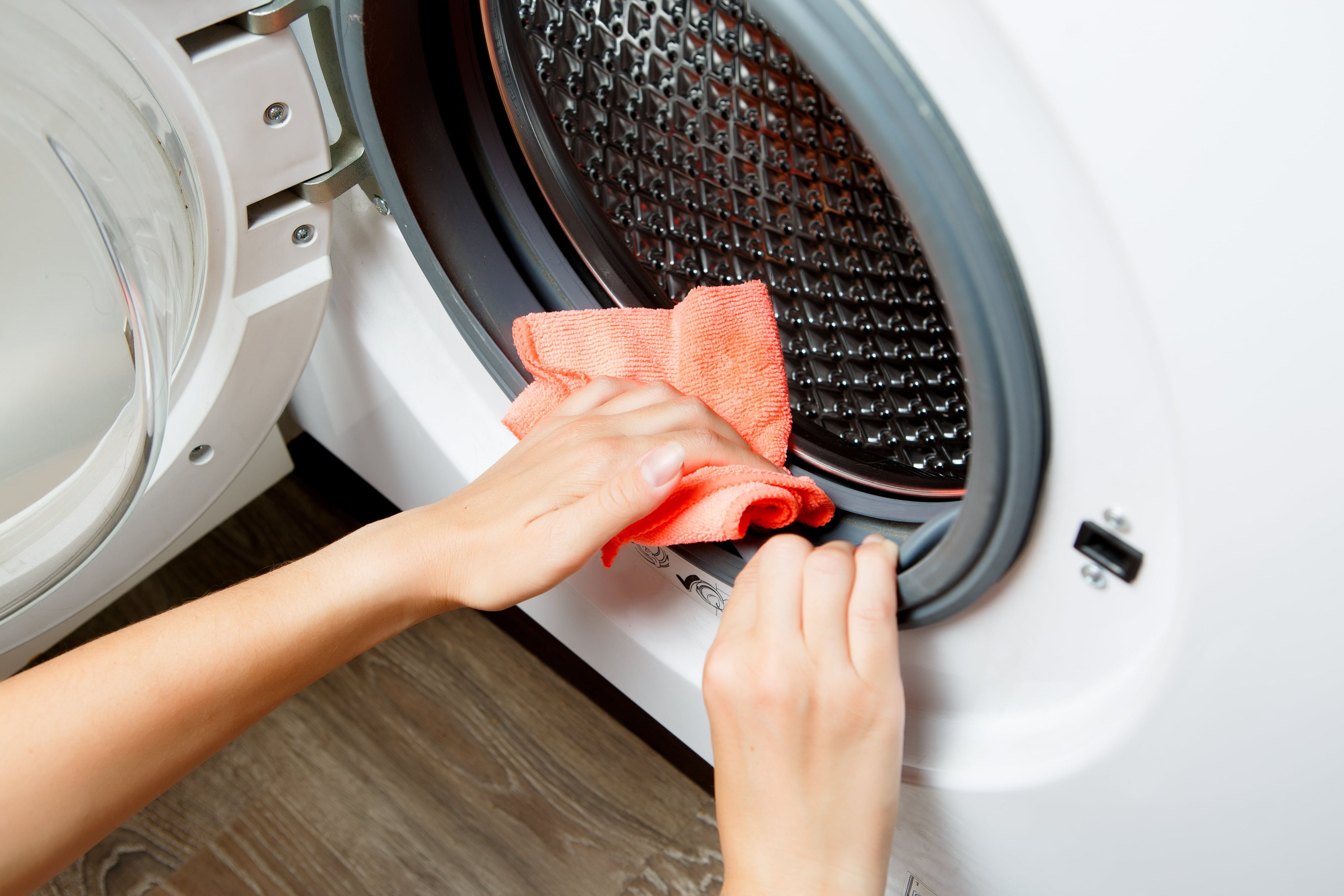
Washing Machine:
-
Run an empty cycle with hot water and a washing machine cleaner to remove residue and odor-causing bacteria.
-
Wipe down the door gasket, detergent dispenser, and drum with a damp cloth and mild detergent.
-
Clean the filter (if applicable) according to the manufacturer's instructions.
-
Leave the door open after each use to allow the interior to dry and prevent mold and mildew growth.
-
Clean the exterior with a damp cloth and mild detergent.
-
-
Dryer:
-
Remove the lint filter and clean it with warm, soapy water. Allow it to dry completely before putting it back.
-
Use a vacuum cleaner or lint brush to remove lint from the lint trap and vent hose.
-
Wipe down the interior drum with a damp cloth and mild detergent.
-
Clean the exterior with a damp cloth and mild detergent. Pay special attention to the control panel and knobs.
-
Rearrange Your Garage
Suggested Supplies:
-
Broom or shop vac
-
Pressure washer or hose
-
Stiff-bristled brush
-
Bucket
-
All-purpose cleaner or degreaser
-
Detergent
-
Scrub brushes
-
Mop or floor squeegee
-
Cleaning gloves
-
Ladder (for overhead cleaning or organizing)
-
Storage bins or containers
-
Shelving units or cabinets
-
Pegboards, hooks, and racks for wall organization
-
Labels or markers for labeling containers
-
Trash bags or bins for decluttering and disposal
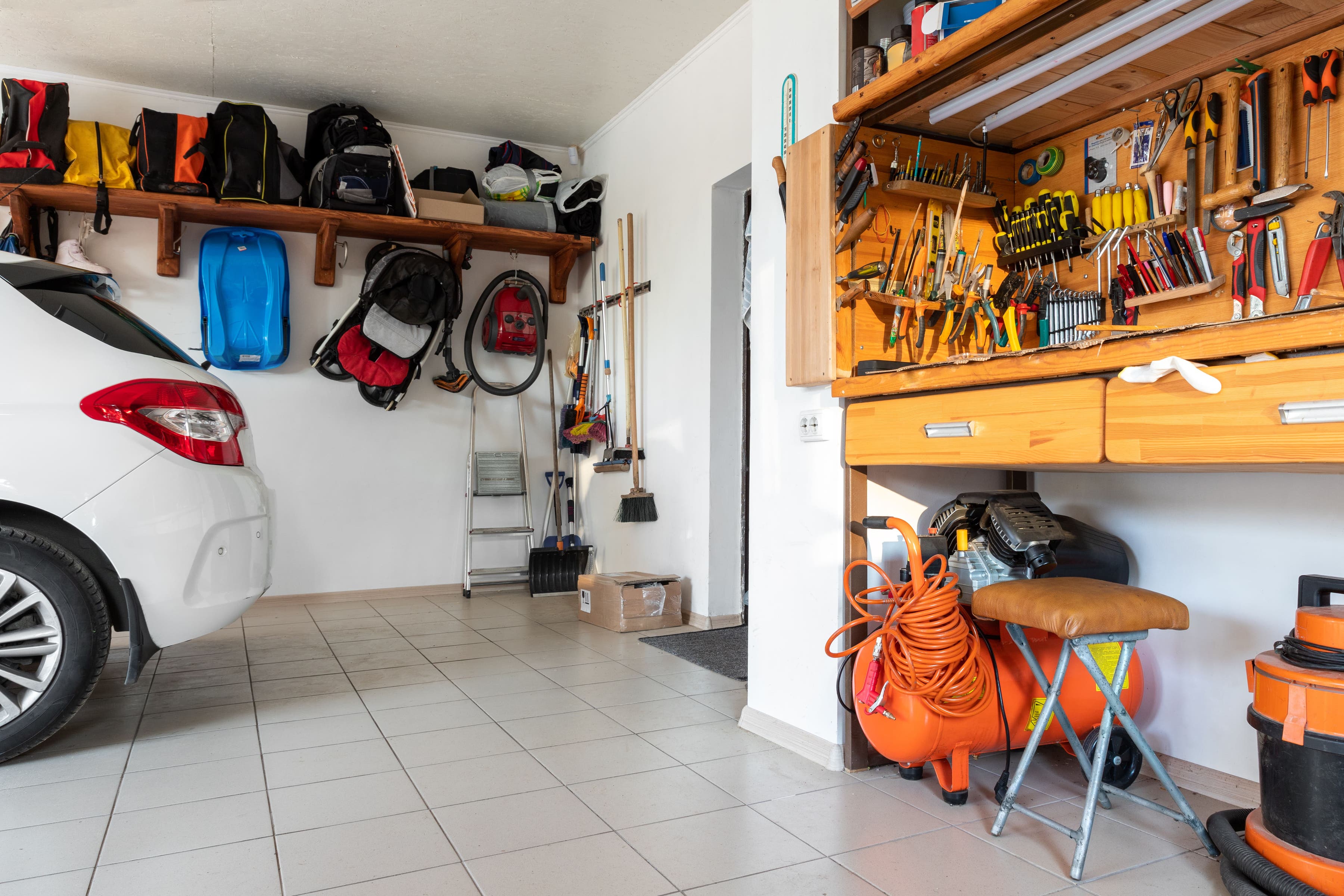
Cleaning a garage can be a daunting task, but with the right approach, you can transform it into a functional and organized space. The best part? A well-organized garage means more storage space leaving more space in the house for the important stuff.
-
Declutter: Start by removing everything from the garage. Sort through items and decide what to keep, donate, sell, or discard. Be ruthless and only keep items that you use or have sentimental value.
-
Create Zones: Designate specific areas within the garage for different purposes such as storage, workspace, and parking. This will help you organize items more efficiently and make it easier to find what you need.
-
Clean Surfaces: Sweep or vacuum the garage floor to remove dust, dirt, and debris. Use a pressure washer or hose to clean stubborn stains or grease spots. Scrub walls and shelves with a mixture of water and detergent to remove dirt and grime.
-
Organize Storage: Invest in storage solutions such as shelving units, cabinets, pegboards, and overhead racks to maximize vertical space and keep items off the floor. Use clear bins or labeled containers to store smaller items and keep similar items grouped together.
-
Utilize Wall Space: Install hooks, racks, and pegboards on the walls to hang tools, bicycles, gardening equipment, and other items. This will free up floor space and make it easier to access frequently used items.
-
Invest in Storage Systems: Consider investing in modular storage systems or wall-mounted storage solutions designed specifically for garages. These systems typically include shelves, cabinets, and hooks that can be customized to fit your needs.
-
Maintain Accessibility: Keep frequently used items within easy reach and less frequently used items higher up or towards the back of shelves. Use clear containers or labels to identify the contents of storage bins and boxes.
-
Dispose of Hazardous Materials Properly: Dispose of hazardous materials such as old paint, chemicals, and batteries responsibly. Check with your local waste management facility for guidelines on how to properly dispose of these items.
-
Create a Maintenance Plan: Establish a regular cleaning and maintenance schedule to keep your garage organized and clutter-free. Set aside time every few months to declutter, reorganize, and deep clean the space.
-
Make it Functional: Once the garage is clean and organized, make it a functional space by incorporating features such as a workbench, tool storage, and lighting. Consider adding insulation and heating or cooling systems to make the space more comfortable year-round.
While Colorado keeps you on your toes with its summery sun, then bone-chilling blizzards and everything in between, there's one thing you can always count on for that tranquil spring feeling: a clean home.
When everything's in its place, you can take that fresh, clear breath. No matter what the weather. Spring cleaning projects as powerful as these always deliver.
Spring cleaning not giving you that renewed feeling anymore? When some nice containers and a strong vacuum won't cut it, it might be time for the next step in your homeownership journey. Connect with one of Corcoran Perry & Co.'s professional sanctuary seekers to start your house hunt.




















Socials