
Spring is officially here (despite the snow in the forecast), and it's time to start thinking about your summer lawn and garden! When you think of a pleasant lawn, turfgrass is often the first thing that comes to mind. Grass, in all its varieties, has been the go-to lawn covering for generations. But, a growing number of homeowners are looking for new drought-friendly grass alternatives to add to their fescues and bluegrasses.
One reason? A growing awareness of ecology. Most grass types require a lot of water - a precious resource in Colorado. Lawns also need chemical fertilizers and pesticides. And, there's the headache of maintenance. It takes a lot of work to keep grass alive in a heat wave. Even in cooler temperatures, keeping a good-looking lawn requires constant mowing, edging, weeding, aerating, and overseeding which can become expensive and time-consuming. You can still have a great landscape with a thriving summer garden if you choose an alternative to grass and we have twelve options for you to consider.
GRASS ALTERNATIVES
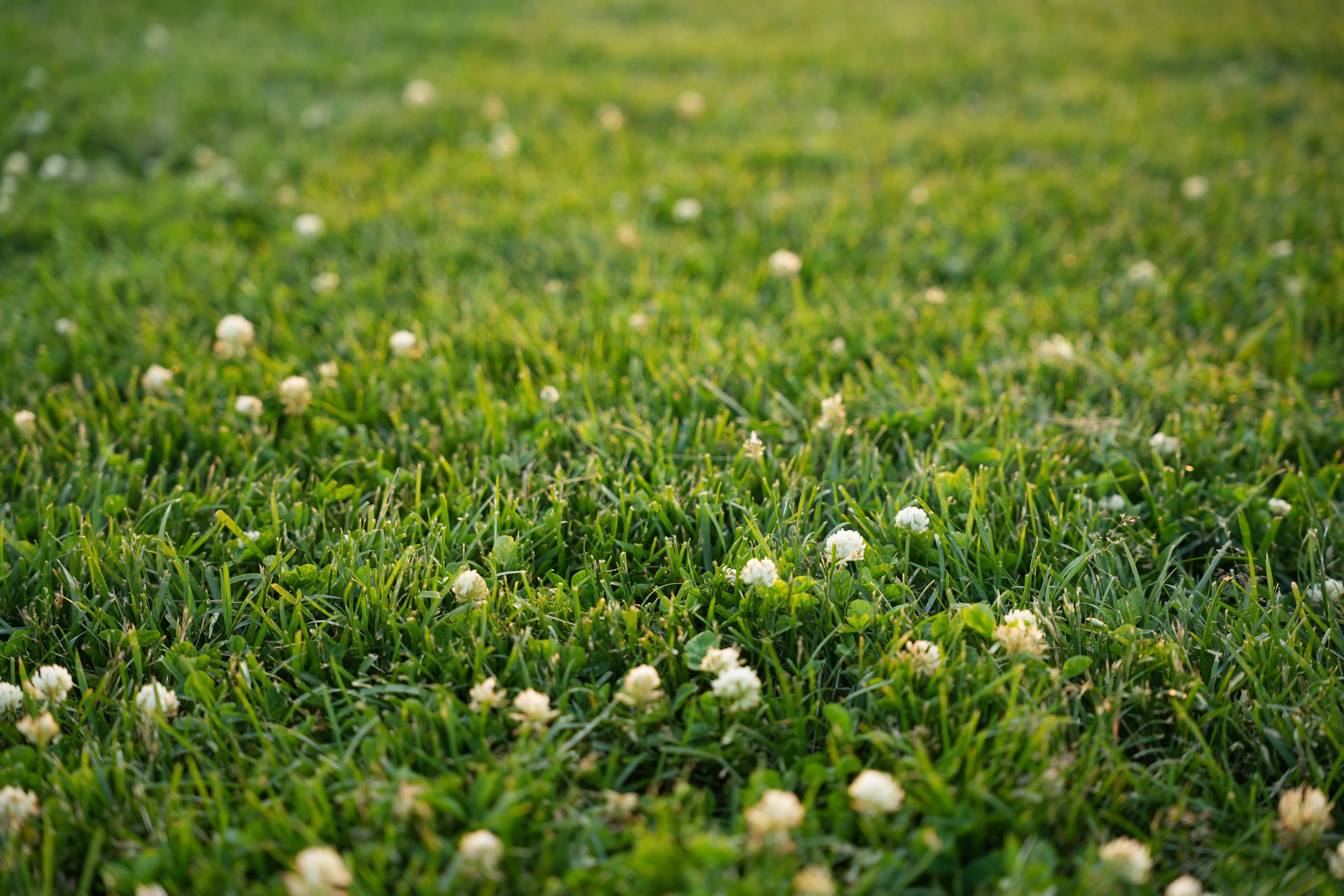
1. Clover
Clover is probably the best-known turf alternative. It's actually good for your soil, adding nitrogen, suppressing weeds, and aerating the soil with its deep root system. Clover will need some irrigation when it's new, but once it becomes established, you can forget it. It'll take care of itself. If you're lucky, you might find a four-leaf clover!'
2. Mulch
Mulch not only retains moisture but also suppresses weed growth. Use organic mulches like wood chips, bark, or straw to cover bare soil areas while avoiding unnecessary chemicals in your yard.
3. Creeping Thyme
This plant is near the top of the grass alternative lists. The reasons are obvious. Creeping thyme seldom grows more than three inches high, so it never needs mowing and needs little water. It also thrives in full sun or shade. Maybe its chief appeal is that it can take a lot of foot traffic without showing signs of wear. This might be the ideal cover for families with kids and pets.
4. Corsican Mint
Like creeping thyme, this mint can handle sunlight and shade. Unlike other mint varieties, Corsican does not take over your whole yard. It produces charming little flowers and a pleasing aroma. Corsican mint can take some foot traffic but is not as kid and pet-resistant as thyme.
5. Artificial Turf
This is something you probably want to use sparingly. Too much can make your landscape look like a football field, but a small patch not only cuts down on real turf but can provide a wear-resistant play area for active children (or a putting green for Dad).
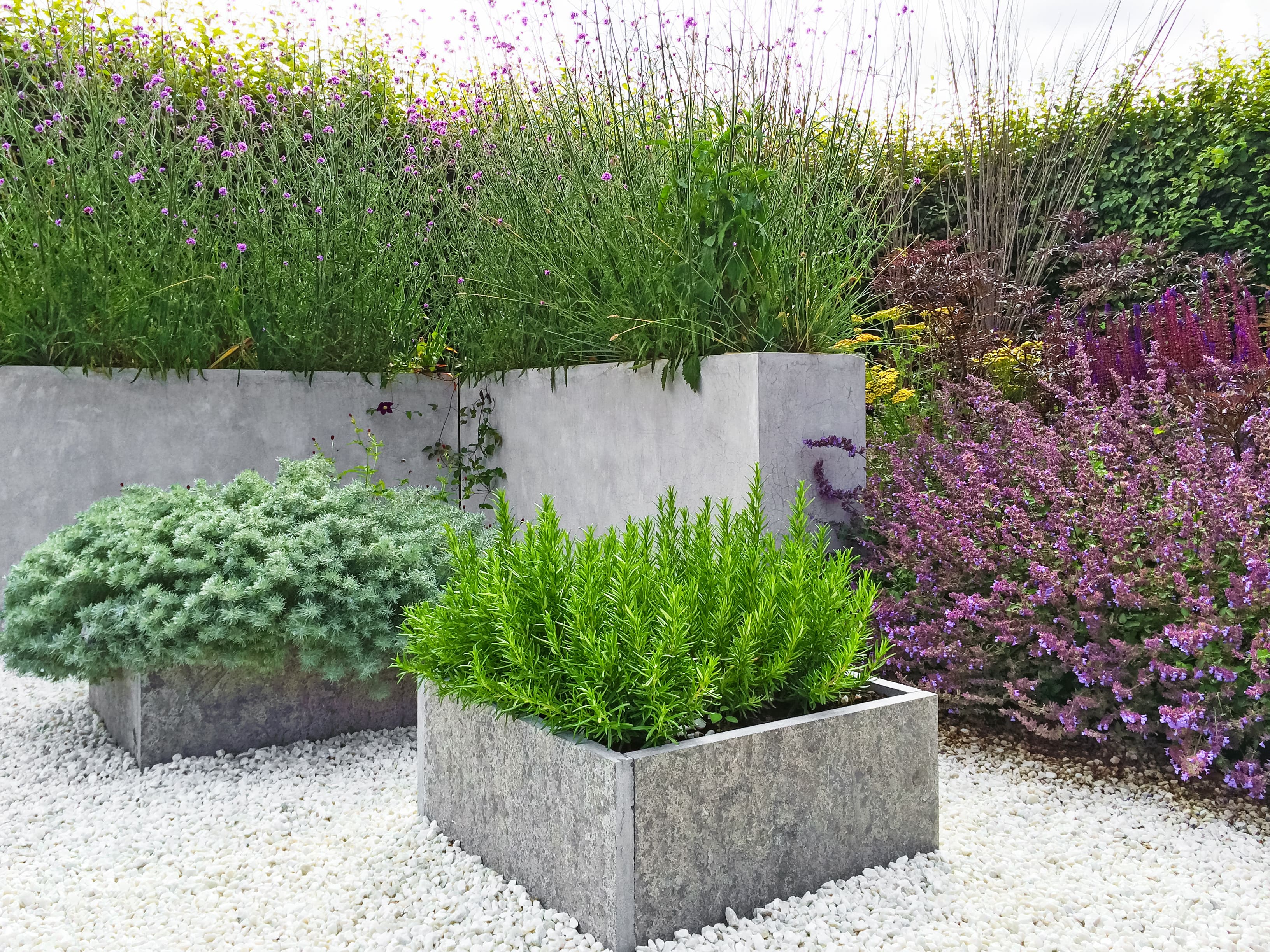
6. Drought-Tolerant Plants
Choose native or drought-tolerant plants that require minimal watering once established. Succulents, yuccas, and lavender are excellent choices for xeriscaping.
7. Moss
Moss can create a low, green carpet in your landscape. It requires no mowing and is easily cleaned up with a leaf blower. It tolerates most soils and, once established, needs only an occasional watering with a garden hose sprayer during dry times. It can take a little sun, but moss is a shade-loving plant.
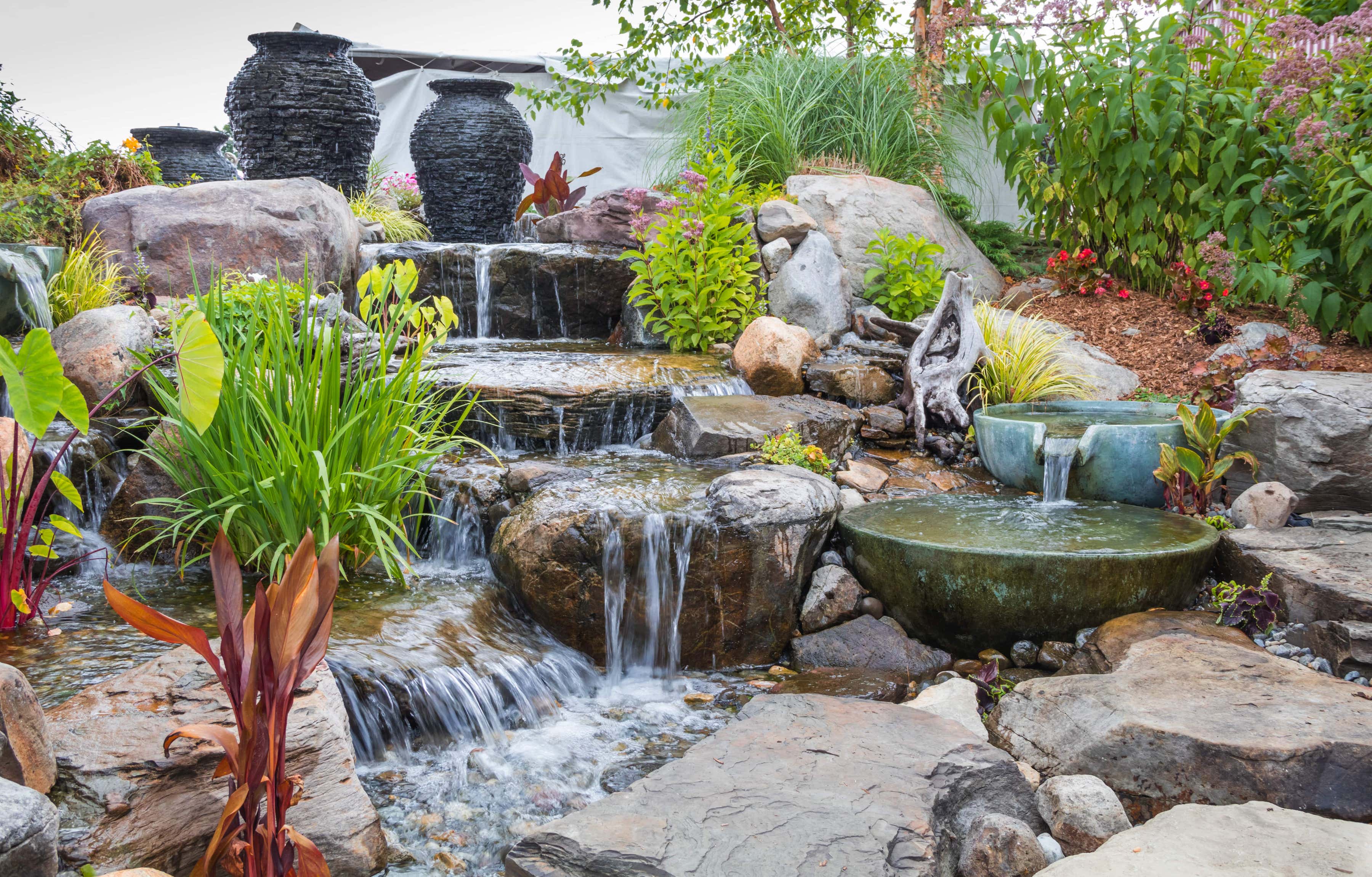
8. Hardscapes
These are limited only by your imagination and budget and include anything that doesn't grow. Popular choices include sidewalks and paths, landscaping boulders, pergolas, gazebos, and water features. Each takes up space that would otherwise be consigned to high-maintenance grass.
9. Native Grasses
Incorporate native grass species adapted to your region's climate and soil conditions. Native grasses often require less water and maintenance compared to traditional lawn grasses.
10. Meadow Gardens
Create a naturalistic meadow garden by planting a mix of wildflowers, grasses, and native plants. Meadows attract pollinators, provide habitat for wildlife, and require minimal maintenance once established.
11. Mosaic Pathways
Design mosaic pathways using recycled materials like broken tiles, glass, or pottery. Mosaic pathways add artistic flair to your landscape while conserving water.
12. Cacti and Agave Gardens
Plant a collection of cacti, agaves, and other desert plants to create a striking and water-efficient garden. These plants thrive in hot, arid climates and require minimal watering.
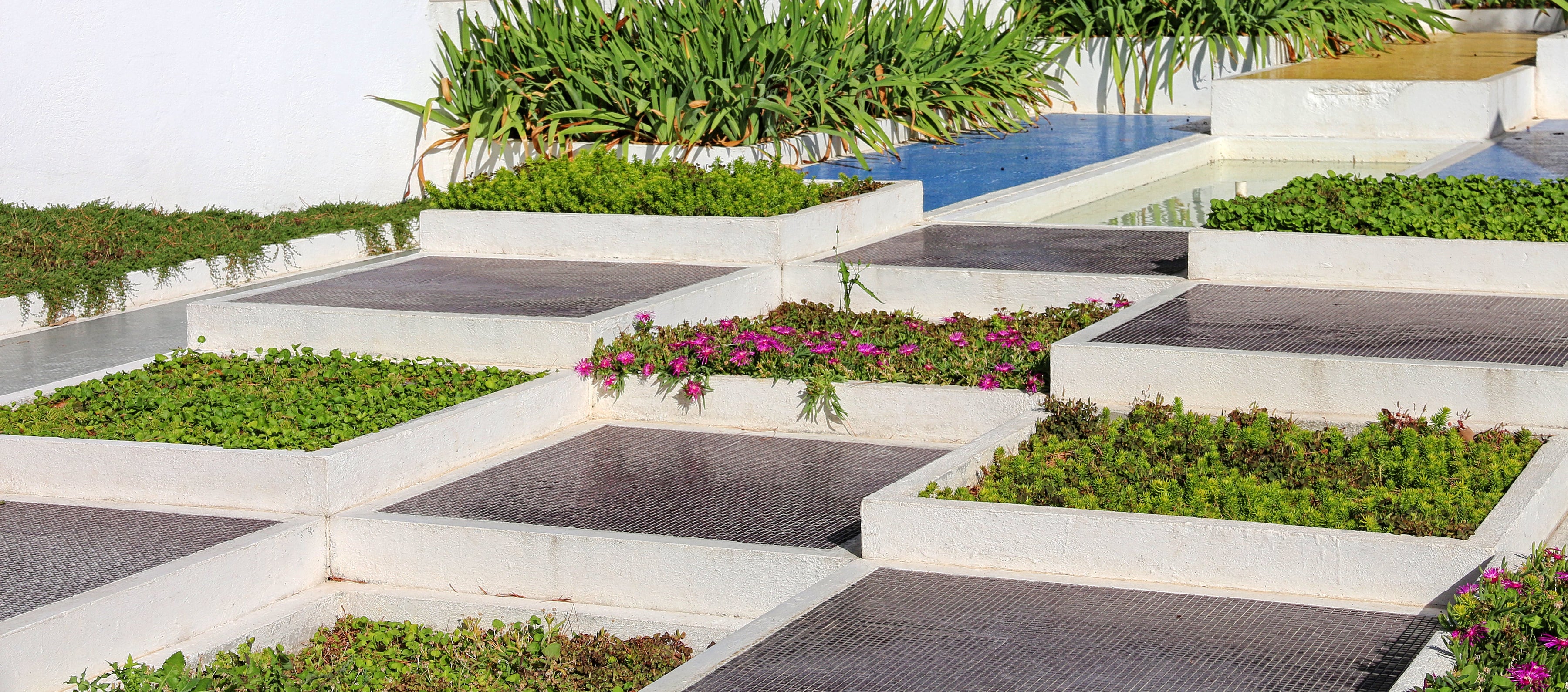
Keep in mind; that you don't have to choose just one grass alternative. Mixing it up by xeriscaping with gravel can give your landscape a better aesthetic appeal while reducing turf. Consider installing creeping thyme in sunny areas and moss where your trees provide constant shade. A pathway of pavers can separate them.
Assuming you won't eliminate your traditional grass entirely, taking proper care of what remains can cut down on your maintenance hassles. Mow and water in the cool of the morning and hold off on fertilizer until the milder temperatures of fall.
Thinking about finding a new lawn to put your low-maintenance stamp on? Connect with one of our home (and outdoor living) experts to start your search.

















Socials