
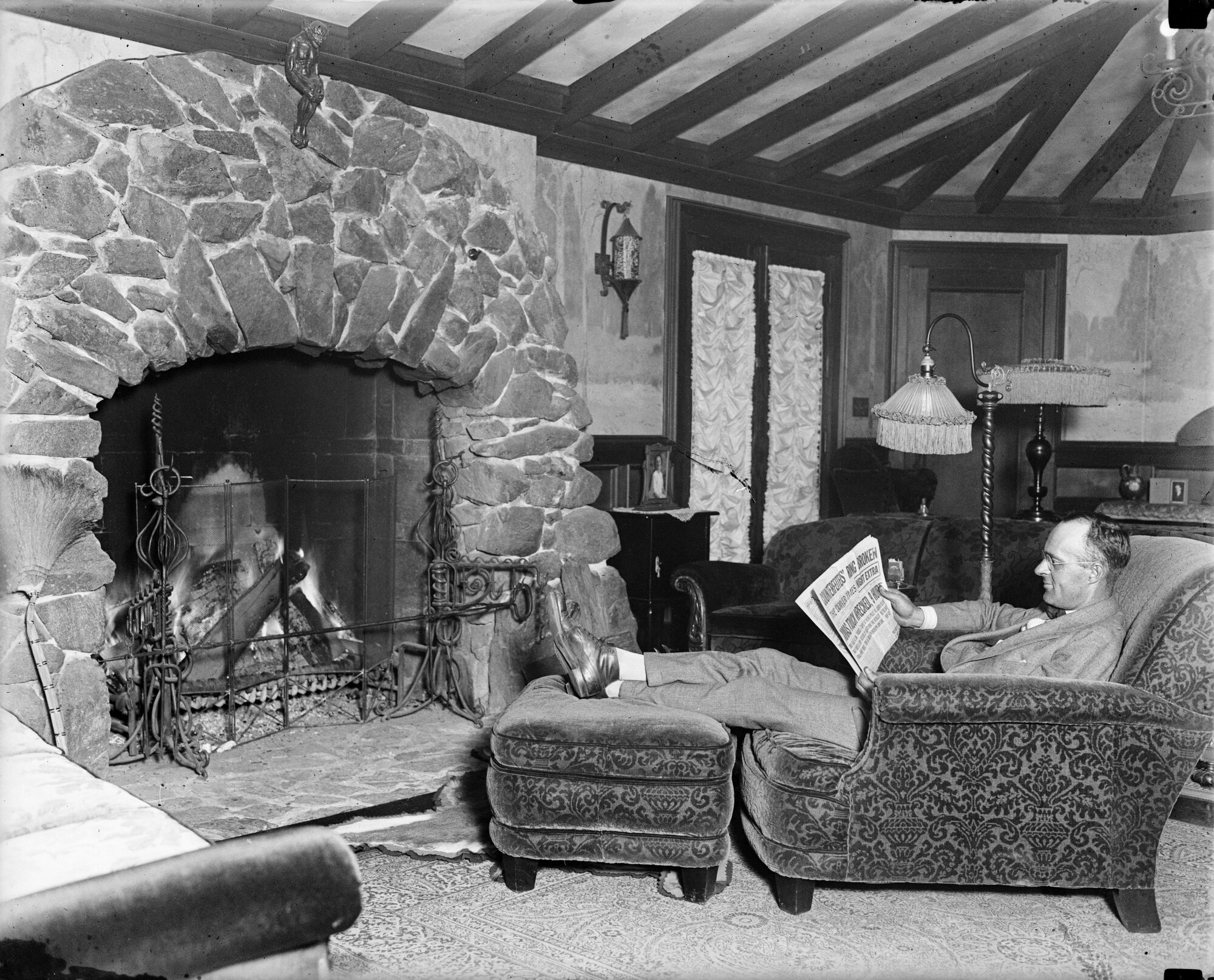
Photo credit: Denver Public Library Special Collections.
When it comes to home, chimneys feel quintessential… a fixed part of home architecture that signals charm without explanation. But the earliest homes had no such crowning accouterment.
Before the stack became a mainstay, fire lived at the center of the room while smoke drifted upward in search of an exit that rarely amounted to more than a hole in the roof. Warmth was uneven, and breathing was compromised. Domestic life happened inside a light gray haze that settled on rafters, clothing, and lungs with equal conviction. The first challenge of homeownership was simply making the air livable.
The History of the Chimney
By the Middle Ages, the chimney emerged as a masonry-made device of the home. It allowed fireplaces to move to exterior walls, freeing homes from the tyranny of central fire pits (the open floor plans of the day).
A Stack of Prosperity
The first chimneys were signs of financial stability. Constructing a tall vertical shaft of brick or stone required resources. A chimney told visitors you could afford enough wood to burn it, and early societies noticed. By the sixteenth century in England, a home without a chimney was like an external show of the empty pantry inside.
The shift reshaped family life. People could spread out rather than huddle in a single smoky orbit. Domestic routines diversified, and home-bound activities became feasible.
Rumford, Drafts, and the Age of Adjustments
Colonial America took the chimney and scaled it, much like they took land… without asking many questions. A highly recommended read on the matter: Indigenous Nations and Colorado Property Lines.
Unlike in Europe, every home was new, allowing early settlers to take design as they wished. They built large central stacks with multiple flues feeding fireplaces throughout the dwelling. But heat escaped freely, and cold air crept in around every frame. Winter meant layering yourself in your entire wardrobe and hoping the fire cooperated.
Then came Count Rumford, a Bavarian-born inventor who believed fireplaces should work better than they did. In the late eighteenth century, he redesigned them into tall yet shallow forms that produced stronger drafts and cleaner burns. Smoke finally went where it was supposed to go. He may not have been well-liked stateside (a British loyalist known for being abrasive), but the Rumford fireplace literally shaped homes from coast to coast.
When Heat Modernized, but Chimneys Didn’t Budge
The nineteenth century ushered in coal stoves and boilers that shifted heat away from open flame. Chimneys narrowed their job description but remained visually important, becoming architectural decor pieces. A Victorian home could flaunt an ornate stack. A Craftsman preferred a grounded rectangle. Midcentury structures leaned toward a cleaner vertical line. Each style marked its moment.
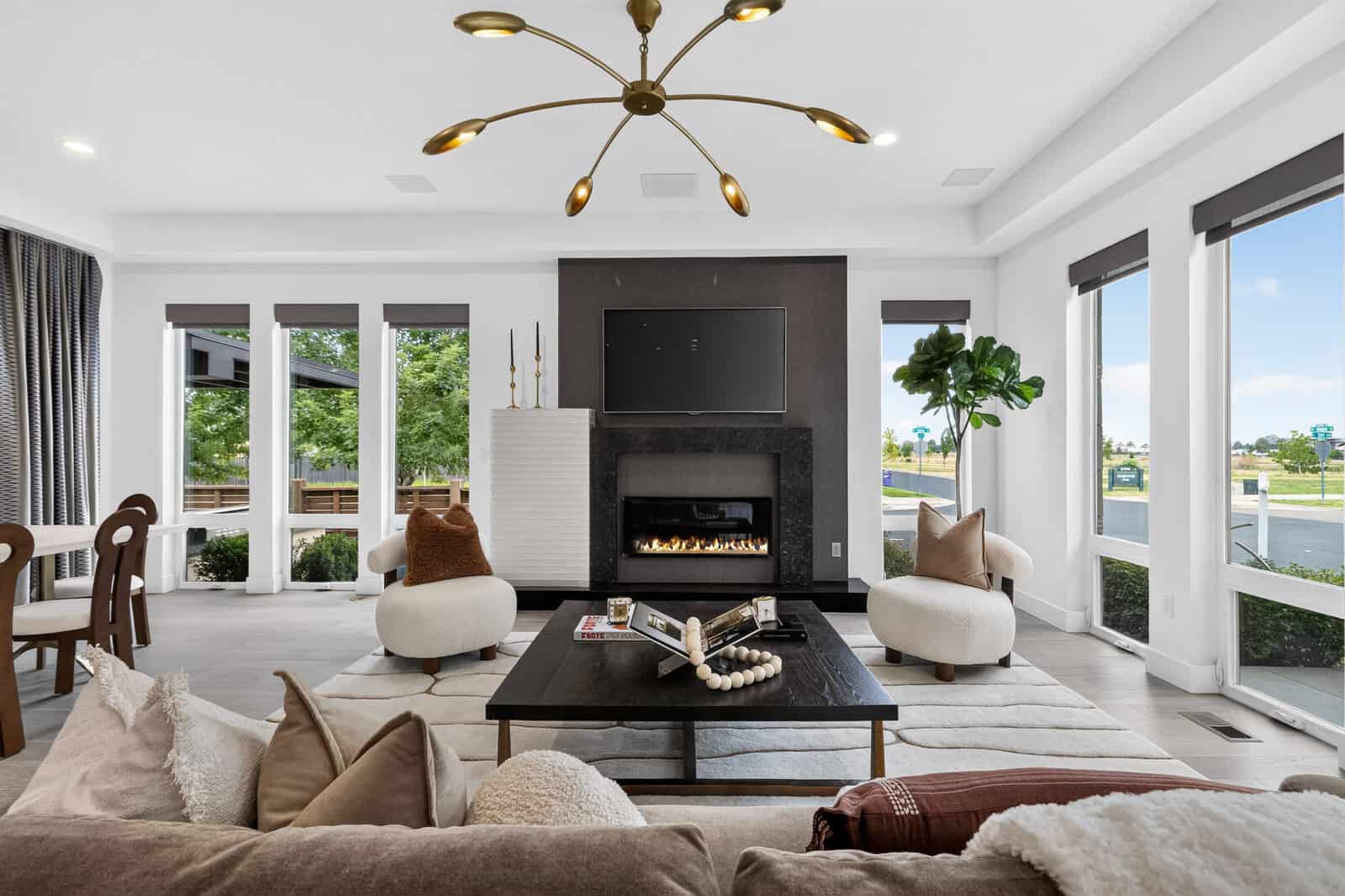
The twentieth century continued the move away from flame with forced air, electric baseboards, and radiant floors. Fireplaces transitioned from survival equipment to ambiance. A chimney no longer guaranteed warmth. Instead, it offered mood.
A Modern (and aesthetic) Relationship
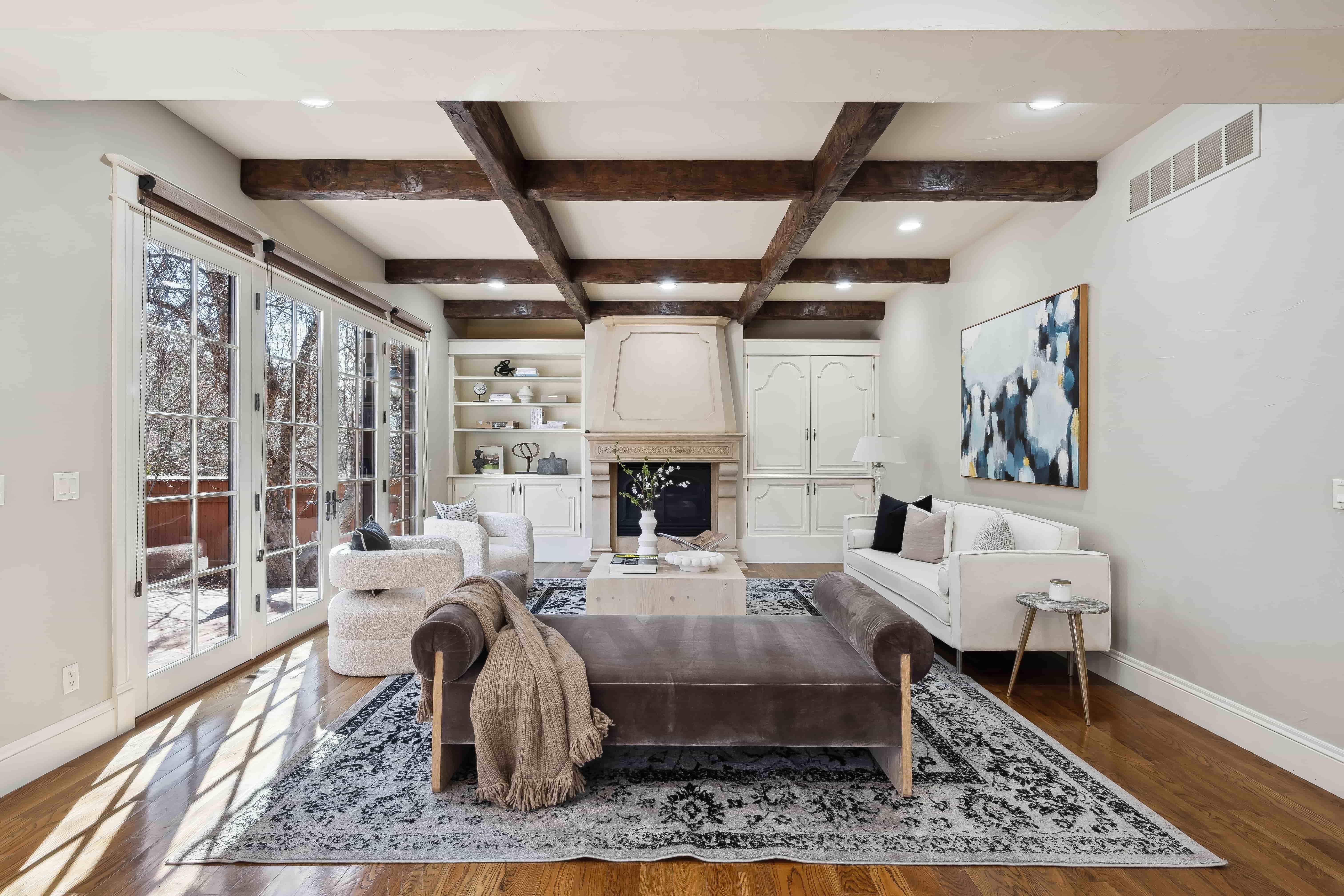
Chimneys now must defend their utility. Building codes scrutinize their efficiency. Environmental concerns question their emissions. Gas inserts and sealed systems addressed some issues and created others. The chimney has become one of those architectural elements, like a formal dining room, that has outlived its original purpose and must negotiate its continued presence.
Yet buyers still respond to fireplaces with surprising consistency. Listings featuring one tend to draw more interest. A chimney anchors a home in photographs, even if the fire beneath it is never lit. It allows people to imagine rituals they may never actually perform. The vibe is the point. And what’s wrong with a chimney if it conducts nothing? Maybe it’s just there for a familiar, gift-giving friend in red. Or maybe, just because it looks cozy.
A Vintage Home Feature That Ages Like Fine Equity
The history of the chimney is the history of solving problems inside four walls. The ingenuity of the fireplace reminds us that home design is a continuous exchange between what we want and what nature allows. Modern homeowners inherit centuries of trial and refinement each time they decide whether to light a fire or simply enjoy the mantle.
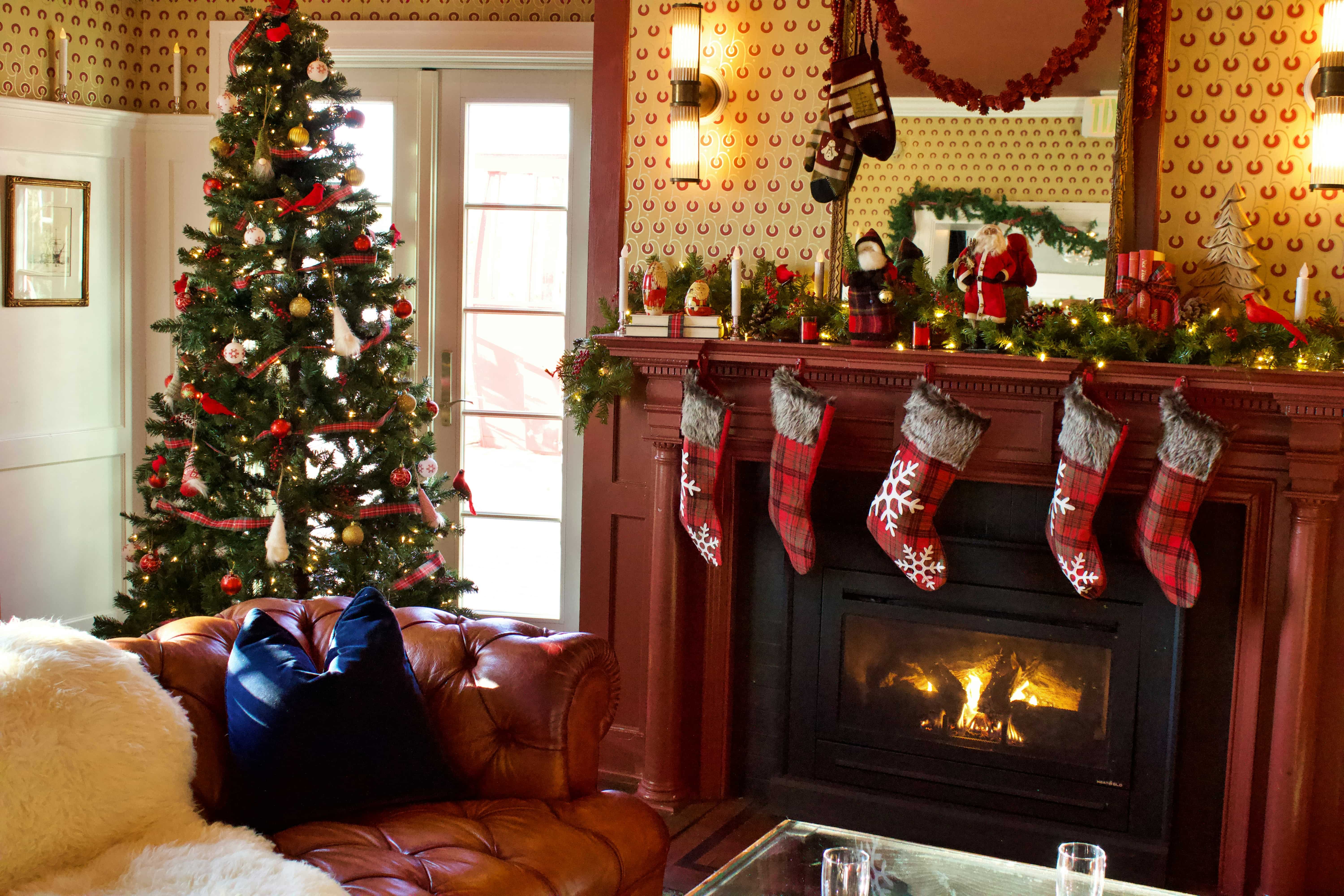
If you’re already picturing stockings on a mantle or a chair angled toward the fireplace, one of our Colorado Home Experts can guide home.

Laurel Cisneros



















Socials