
 Smart, stylish, and drought-friendly. Yes, your yard can be all three.
Colorado is dry. Not “reusable bottle suggested” dry. We're talking less annual rainfall than L.A. dry. And with increasing lawn watering restrictions and hotter summers, thirsty lawns and imported greenery are getting harder to justify (or maintain).
But here’s the good news: your landscape can still be lush(ish), colorful, and resilient without becoming a full-blown rock garden. Enter the indigenous plants of the Mountain West. They're low-maintenance, low-water, and — let’s be honest — way better adapted to this climate than the English roses you’ve been coaxing along like delicate houseguests who never got used to the altitude. (We still haven’t found a way to administer one of those tourist oxygen boost cans.)
Below is a list of plants indigenous to Colorado that know how to survive (and even thrive) in your yard without weekly pep talks or sprinkler marathons.
The Elevated List: Colorado Natives That Won’t Drain You (or the Reservoir)
1. Blue Grama Grass (Bouteloua gracilis)
Colorado’s official state grass, and for good reason. This warm-season native forms neat, arching clumps topped with whimsical seed heads that look like tiny, curled eyelashes swaying in the breeze. Ideal for replacing thirsty lawns or creating a soft border, it’s drought-tolerant, requires minimal maintenance, and stays upright even during snow. Its deep roots help prevent erosion and support soil health. Plus, it plays nice with wildflowers and other natives.
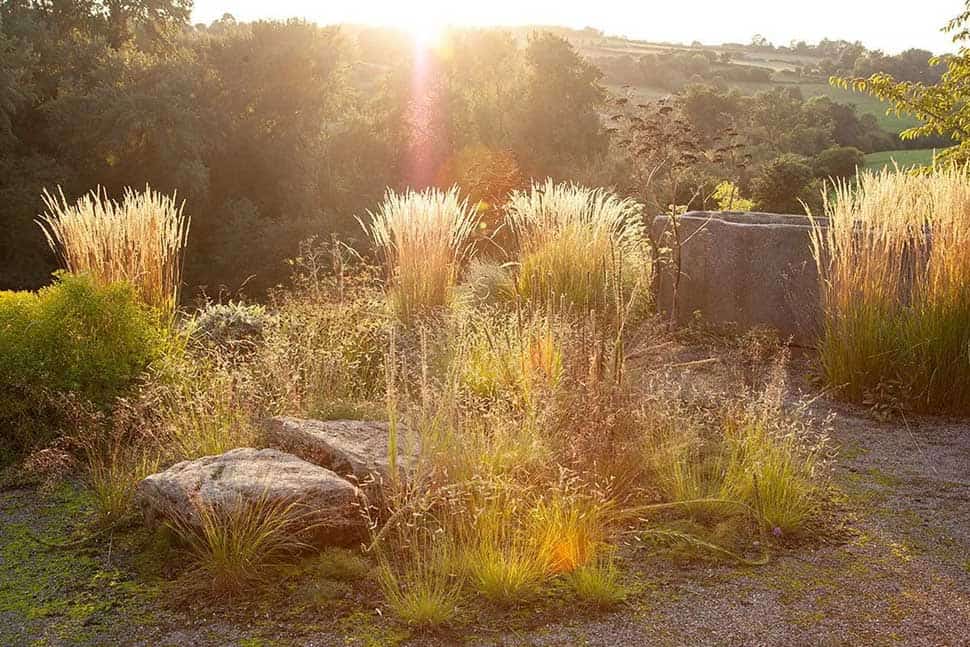 Photo credit: digdelve.com
2. Rocky Mountain Penstemon (Penstemon strictus)
Standing tall with spires of intense purple-blue flowers, this native is like fireworks for your garden, especially in early summer. Loved by bees, hummingbirds, and butterflies, it’s a key player in native pollinator corridors. Once established, it’s nearly unbothered by drought, and its slender, glossy leaves add a bit of polish to dryland plantings. Plant it in clusters to make your garden buzz — literally.
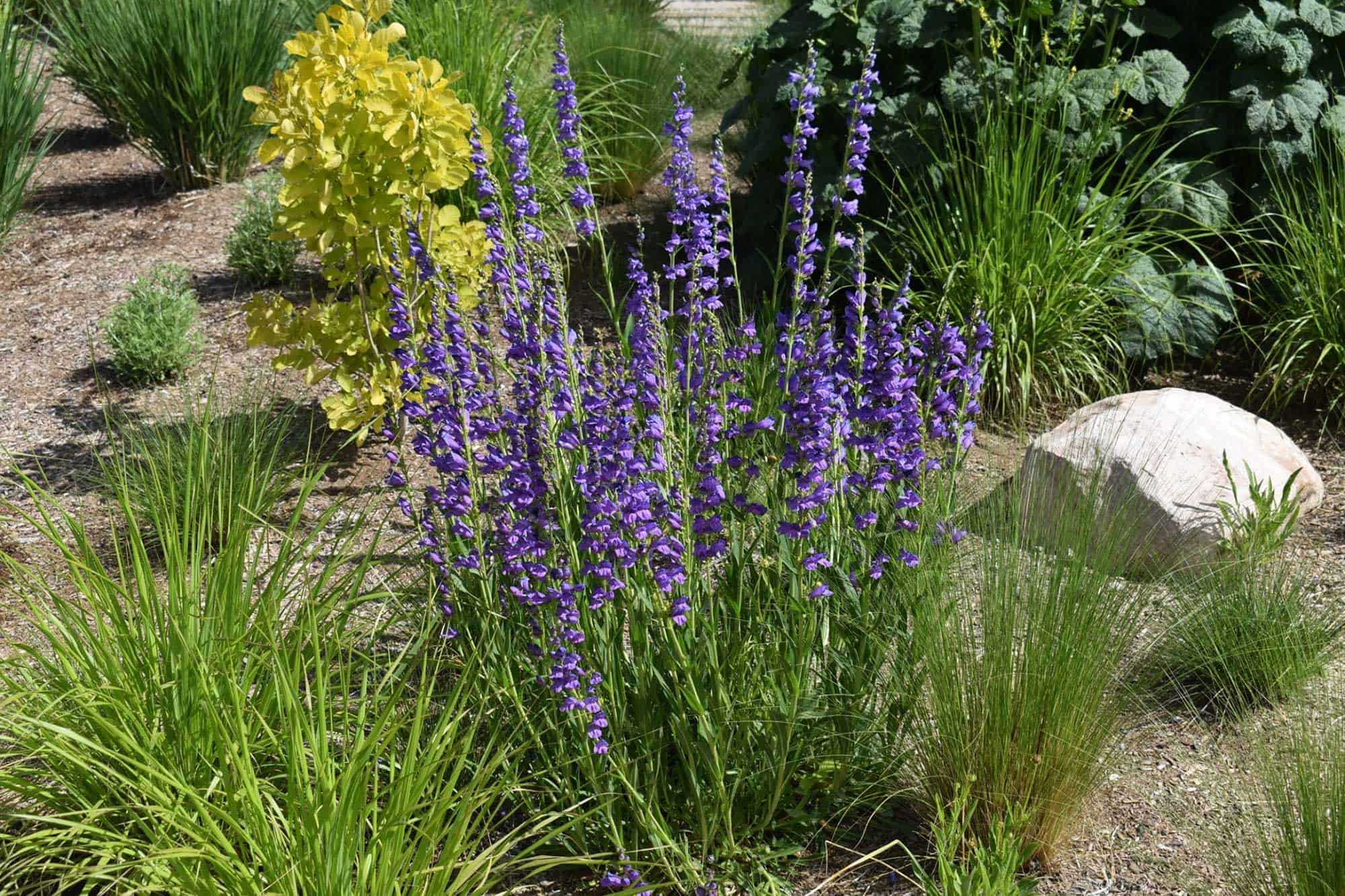 Photo credit: conservationgardenpark.org
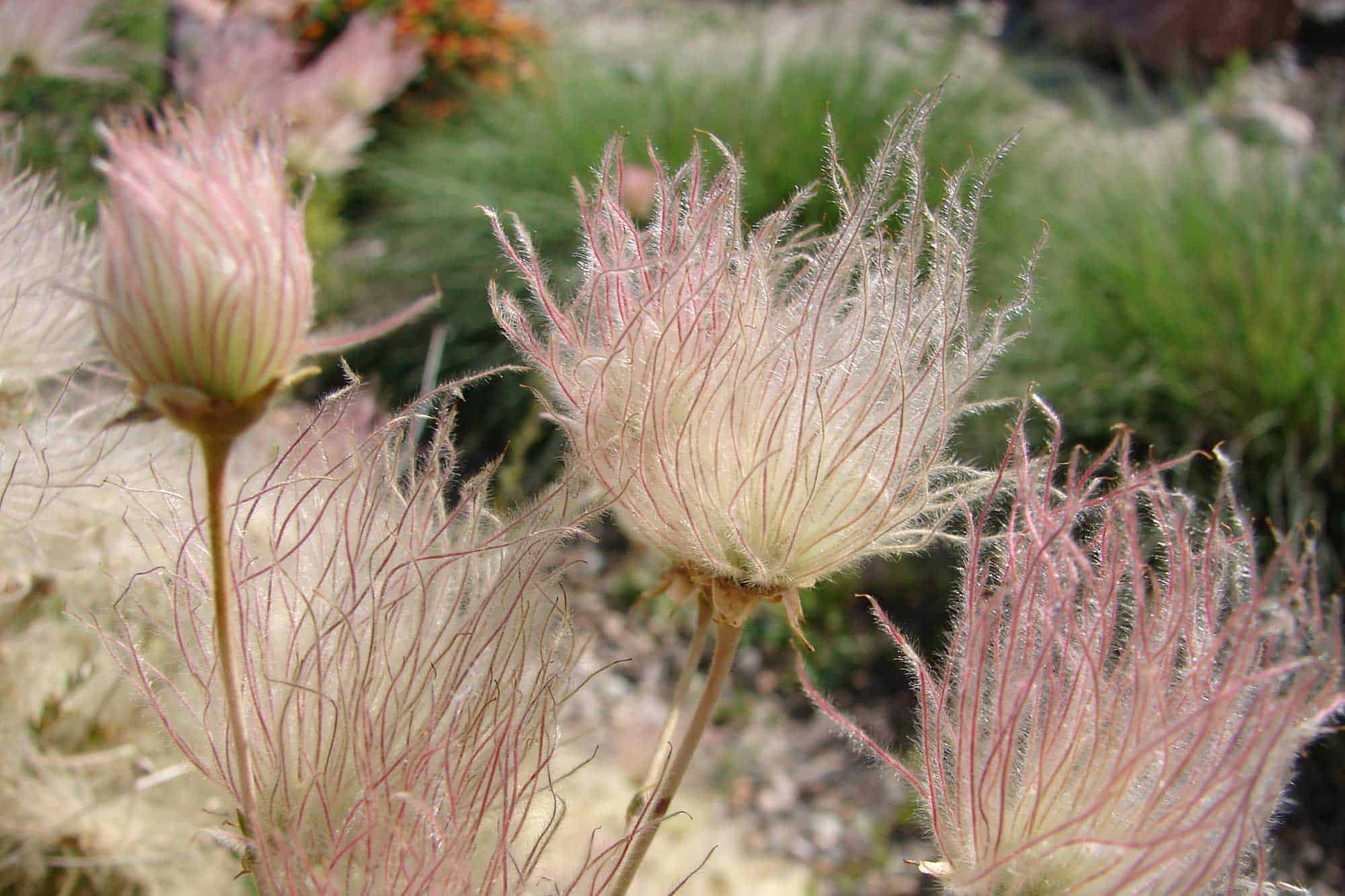
3. Apache Plume (Fallugia paradoxa)
One of Colorado’s most charismatic native shrubs, Apache Plume offers delicate white rose-like flowers in spring, followed by feathery pink seed plumes that catch the light and float on the breeze. It thrives in dry, rocky soils and adds movement and texture to the landscape. A great wildlife plant: birds use it for cover, and small mammals nest beneath. It’s a sculptural standout in any xeriscape.
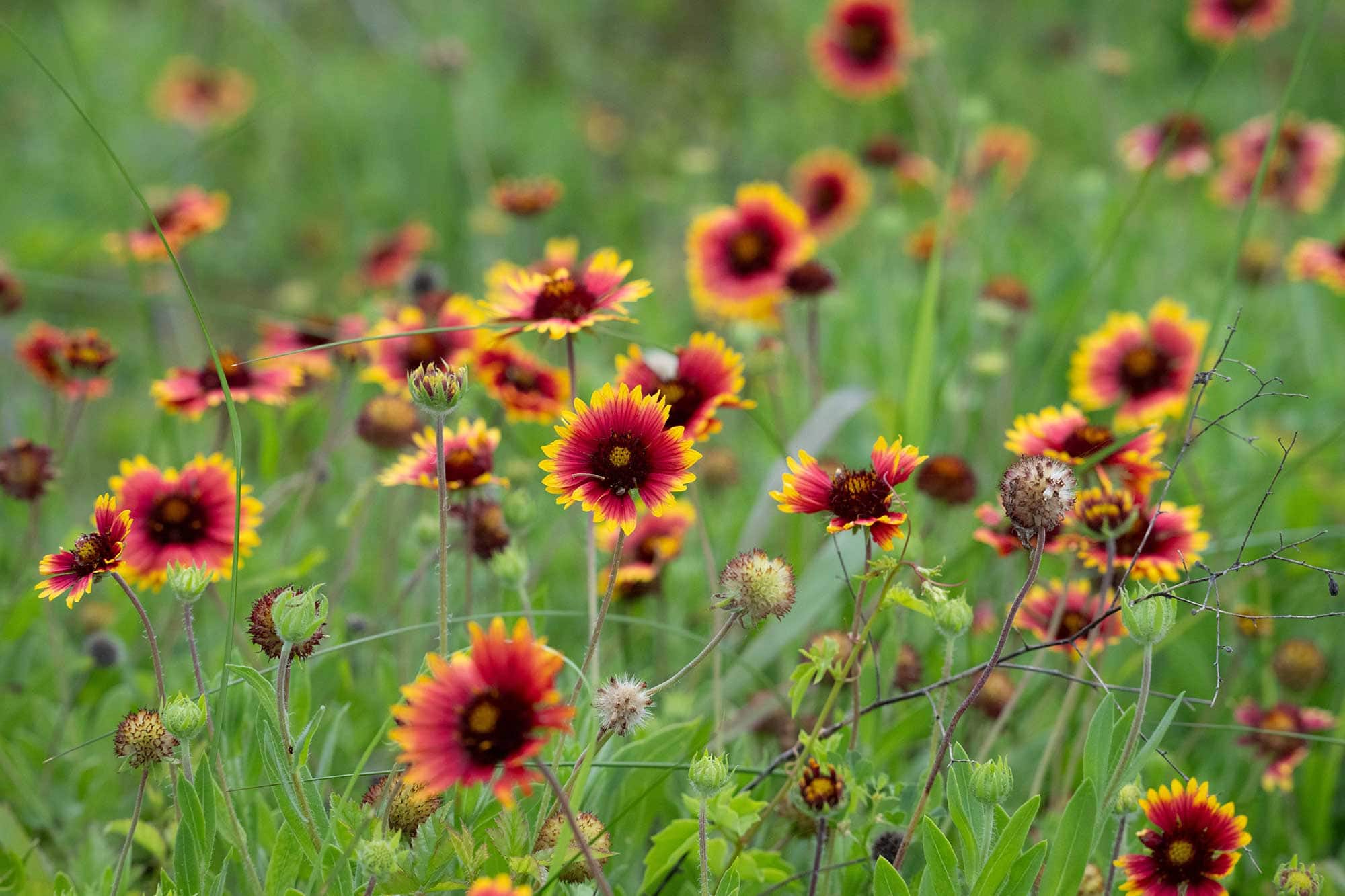
4. Blanket Flower (Gaillardia aristata)
Bold, fiery blooms that echo Colorado’s sunsets—this perennial brings nonstop color from early summer into frost. Its red-orange centers fade into golden yellow tips, drawing in bees, butterflies, and other pollinators in droves. Super easy to grow in poor soils and hot, sunny spots, and often reseeds itself to come back stronger year after year. A showstopper with a wild side.
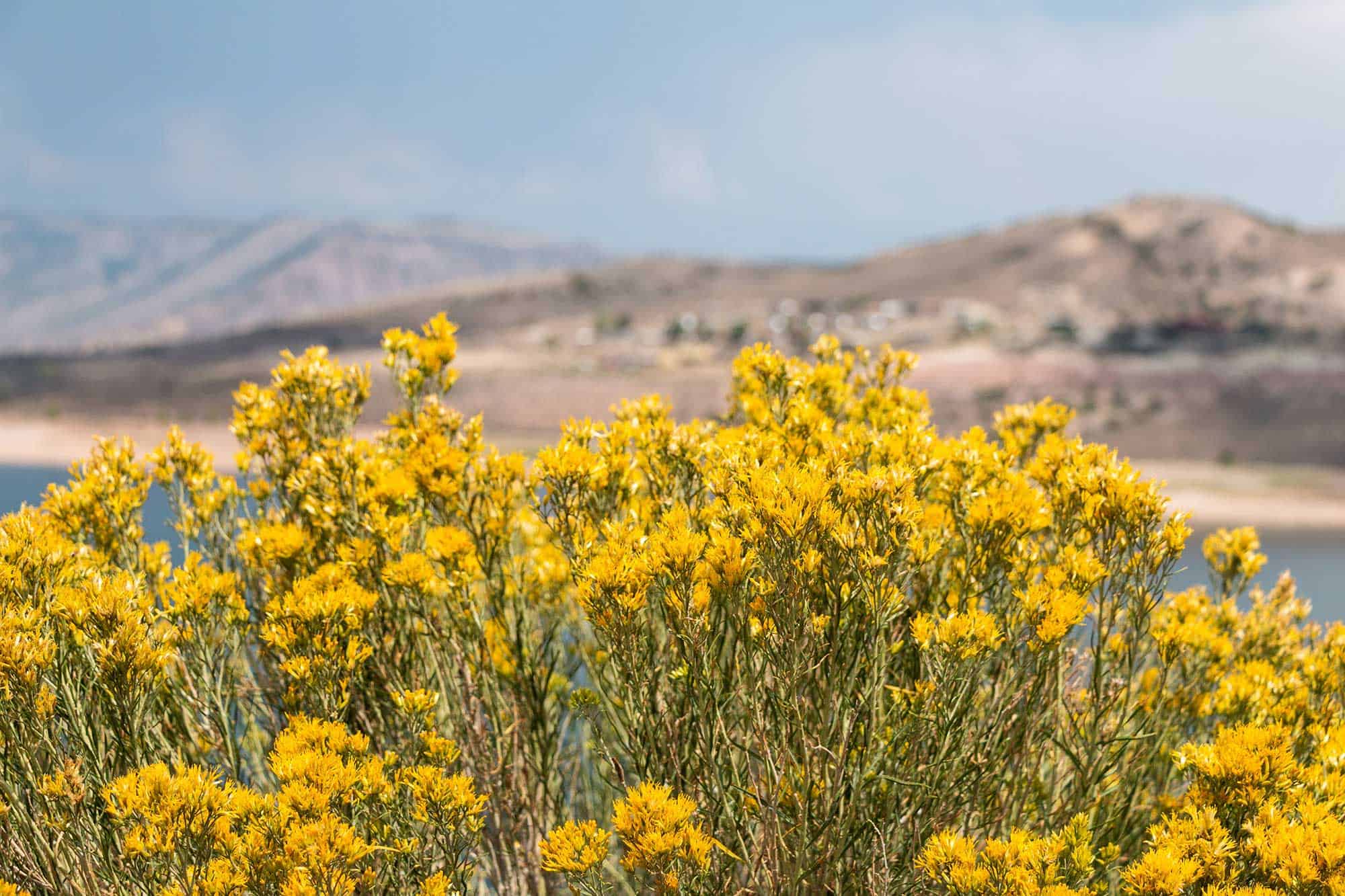
5. Rubber Rabbitbrush (Ericameria nauseosa)
Ignore the unflattering name—this plant is a star of fall color and ecological value. Bursting into golden yellow blooms in late summer to fall, it attracts native bees, butterflies, and even late-season hummingbirds. Its silvery-green foliage and twisted stems give it year-round texture. Thrives on neglect, poor soils, and full sun. Bonus: its deep roots help stabilize slopes and restore disturbed land.
6. Sulphur Buckwheat (Eriogonum umbellatum)
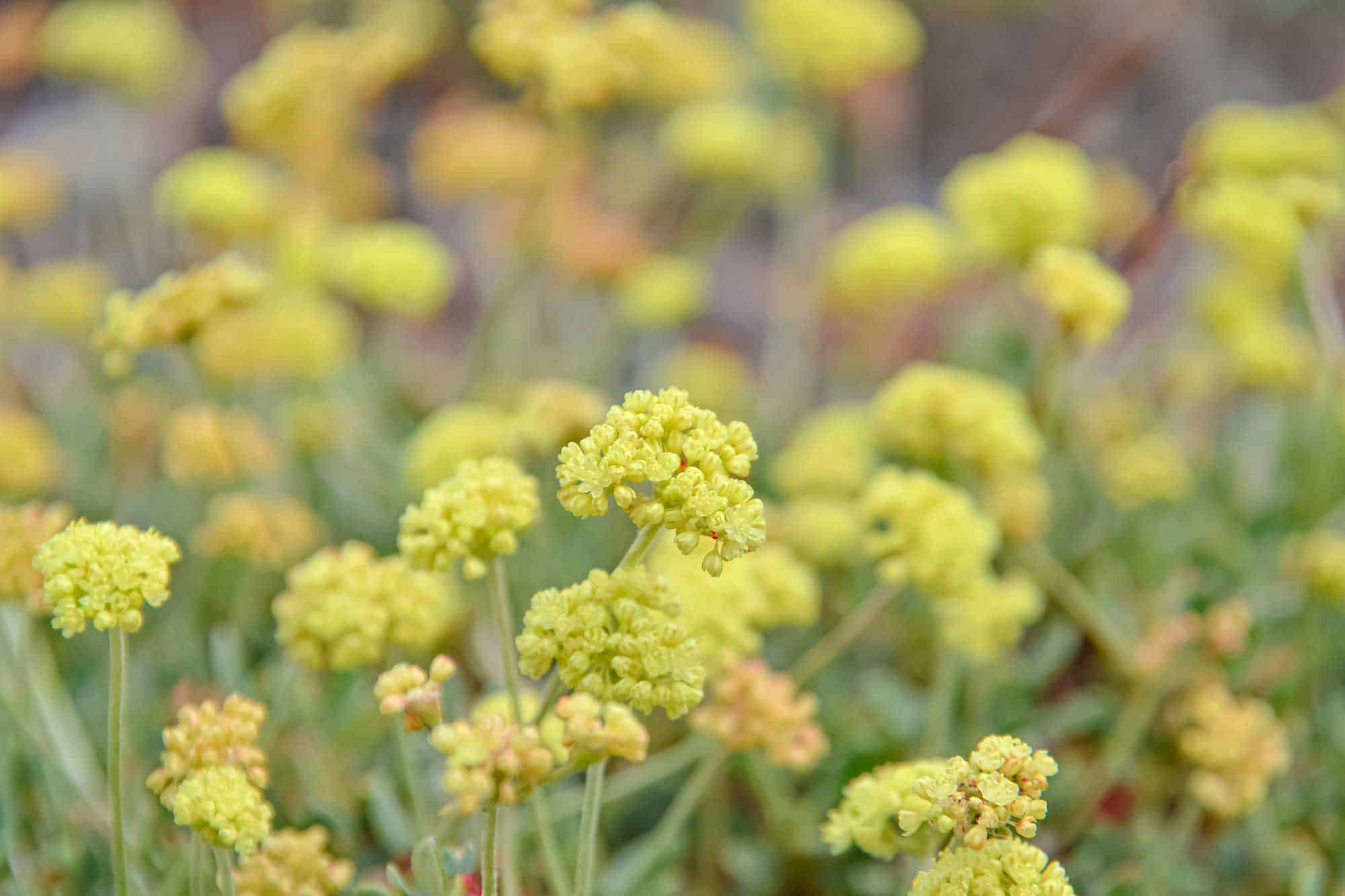
A tidy, low-mounding plant with leathery green leaves and cheery yellow blooms that turn burnt orange and rust as they age, providing months of color. This groundcover thrives in rocky, well-drained soils and is excellent for erosion control on slopes or dry borders. A critical food source for native bees and butterflies, especially in lean soils where others fail. Think of it as a Colorado alpine wildflower in garden form.
7. Threeleaf Sumac (Rhus trilobata)
This tough-as-nails native shrub earns its keep in every season. In spring and summer, its fragrant, lobed leaves and small yellow flowers attract pollinators. In fall, it erupts into a blazing mix of red, orange, and gold. Its tart red berries feed birds and can be used to make a tangy, vitamin-rich tea. Great for privacy, wildlife habitat, and soil stabilization (especially in dry, exposed areas).
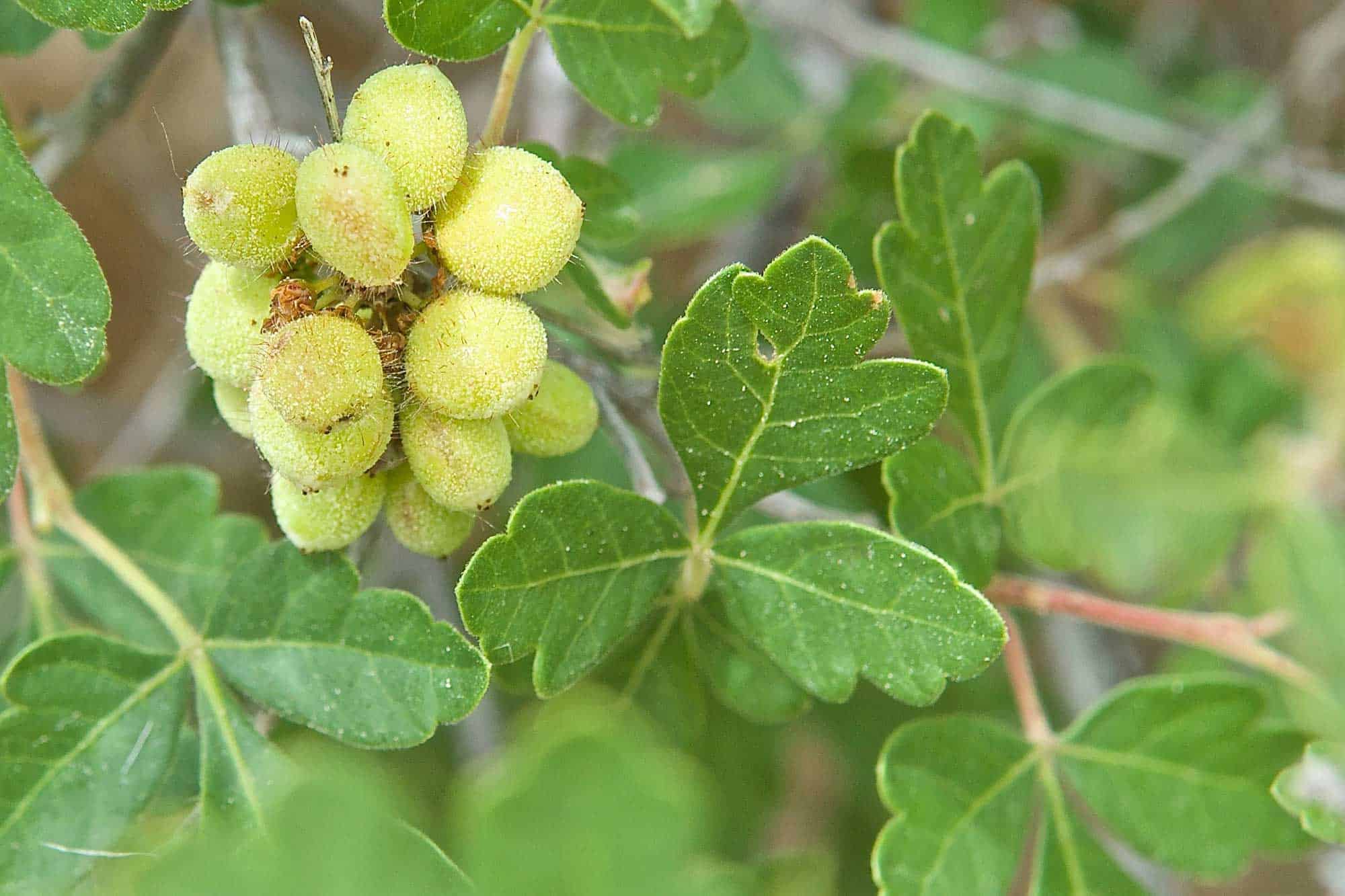 Photo credit: plants-animals-northeast-colorado.com
Design Notes (Or: How to Make it Look Like Nature Grew This… But With SO Much Intention)
-
Mix textures: Tall grasses + flowering perennials = balance
-
Cluster in odd numbers: Natives look best in naturalistic drifts
-
Use mulch: Retains moisture and makes everything look more cohesive
-
Leave space: These plants are slow to start, but they sprawl. Give them room to grow into themselves
Why Go With Plants Indigenous to Colorado?
You don’t need a thirsty lawn to have a great yard. With the right native plants, your outdoor space can be drought-smart, low-maintenance, and full of personality.
It’s not just about saving water. Plants indigenous to Colorado support local pollinators, protect soil health, and are naturally resistant to Colorado’s pests and diseases. They’ve been adapting to this climate for centuries and don’t need pampering.
Plus, they’re genuinely beautiful… without trying too hard.
Interested in setting down some Colorado roots? Our Colorado real estate agents are always here and happy to talk home (and garden).














Socials