

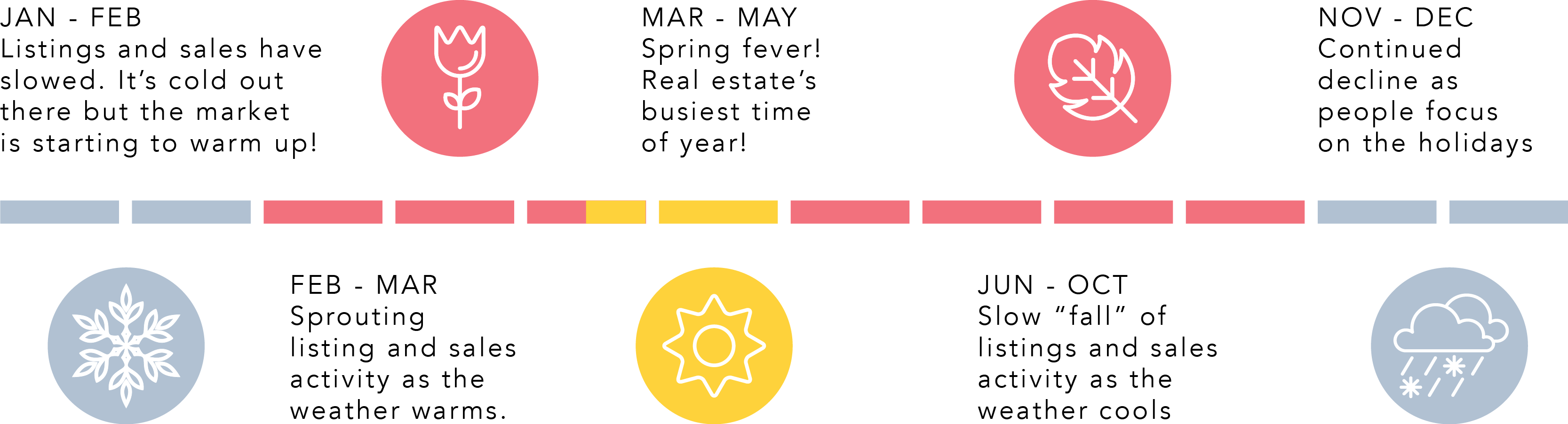
Last month we continued to experience our annual seasonal slowdown. We saw average days in the MLS increase well over 100% for both attached and detached homes, with prices experiencing just a slight increase from this time last year. This seasonal slowdown, however, was not helped by the current economy. Interest rates continue to soar, discouraging many from either buying or selling their homes.
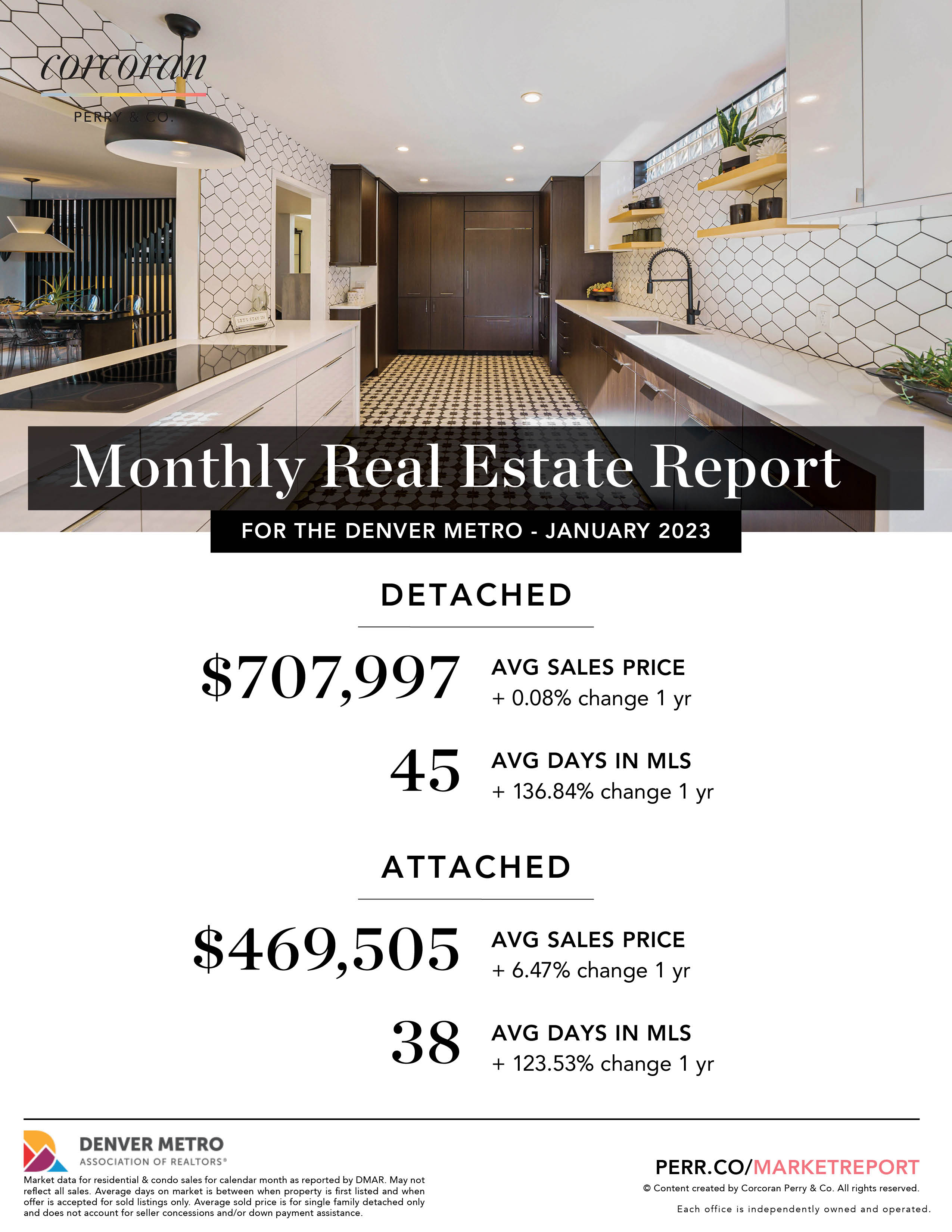
We're still feeling the effects of our post pandemic market craze. Outlets are noting that 2023, will be the first year many consider us to be inching towards a normal market, similar to what we experienced between 2013 - 2019. The past couple of years, 2020 - 2022, the market was a rollercoaster with many record breaking high's and very low lows.
For the first time in history, the Denver Metro area's best weekend market was the 2022 SuperBowl Weekend. Historically speaking, that particular weekend has never yielded strong numbers,but to everyone's shock, we saw some of the strongest data all year! During Super Bowl weekend the Denver Metro Area experienced record-breaking showing numbers, odds of selling that weekend were the highest all year, at 85%, and the close price vs. listing price for 2022 was 102.33%, jumpstarting the multi-month trend of homes closing for well over their asking price.
In 2023, it's clear we won't see those similar historic highs. Coming off the seasonal holiday slowdown, coupled with the post-pandemic market, we are entering into a perfect storm for the market to rebound.
The Reality of 2022 Housing Market
We can't reiterate this enough - real estate is a long-term game. News outlets will hyper-focus on the year over year comparison, based on 2022 stats, which will continue to perpetuate the narrative of a negative and slowing market moving into 2023. The last time we experienced price reductions on this scale was in late 2010.
But, while numbers are down year over year, we are still experiencing significant long-term appreciation for both single-family and attached home values. According to CoreLogic, year over year, home values are down 5% for 2022 in the Denver Metro area. However, long-term home appreciation over the last decade is up 150%. Although prices are dropping, most homeowners have retained or obtained a significant amount of equity in their property.
Towards the end of December, we saw a big purge of expired and withdrawn transactions from the MLS. This purge is helpful as we head into 2023, because it accomplishes two-key factors:
- By starting the year with low available inventory puts sellers at an advantage to showcase their home without getting lost in the chaos of stale and old listings. Plus, with limited supply, sellers will have less competition when showing their homes.
- It sets the tone for buyer's expectations going into the new year and encourages them to engage and act early. With tons of fresh new inventory hitting the market, it presents buyer's with multiple opportunities without competition, which they haven't experienced in quite some time.
According to David Stevens, Former Assistant Secretary of Housing, œThis may be the one and only window for the next few years to get into a buyer's market. And remember as the Federal Reserve data showshome prices only go up and always recover from recessions no matter how mild or severe. Long term homeowners should view this marketright nowas a unique buying opportunity.
Looking forward, we can begin to expect the standard seasonality of the market that we've experienced prior to the COVID pandemic market, signaling our market's return to an active and robust market, similar to what we experienced between 2013 - 2019.

Anticipating 2023
2023 will be a 'normalizing' year in residential real estate, with anticipated overall appreciation in the low single digits, helping buyers and sellers combat the overzealous market we've been experiencing. It is essential to focus your attention on emerging trends and good long-term data.
As we enter into 2023, there are a few things you should keep in mind.
- Inventory will be a topic of conversation in 2023. COVID has yielded crazy imbalances in available inventory, resulting in homes receiving multiple bids and going for thousands of dollars over asking. The sales-to-active listings ratio is the number to focus on in identifying whether we are returning to somewhat of a balance. Currently, it's at 43% and expected to decline. We don't need to be in perfect balance; in fact, the market doesn't want that! Seeing that percentage creep down closer to 30% would be ideal for a more normal seasonal rhythm to the Denver Market.
- Rates will continue to react to global economics, global and national GDP, U.S. employment, and inflation. Hopefully, we'll see mortgage rates drop to around 5% consistently; however, keeping rates from driving your home search is essential. Work with an effective agent who can offer financing suggestions and strategies. Having the attitude that you can always refinance will make the process much more successful. Marry the home, date the rate!
- Days on the market will continue to remain in the double digits, around 35 days, which is TOTALLY normal. It is imperative that you set your expectations on this, especially since we experienced the other extreme during the pandemic with homes averaging less than a week on the market.
Yes, numbers may be falling, but current data predictions say that we can expect the odds of selling to be as high as 60%. We're transitioning into a healthier market in which both sellers and buyers can negotiate. A healthy market is a more 'normal' market, especially after the recent pandemic years.
Understanding the Economics
The two topics dominating the conversation are recession and rates. Two R's that hold so much power that they have folks so intimidated and nervous that they've pressed pause on buying and selling real estate. But, when the economy slows, so does inflation. Meaning mortgage rates decrease as well, and it isn't a question of if but more so, when.
Suppose we continue to see a slowdown in economic spending, shrinking inflation, and less pressure on wages. In that case, the economy will likely allow that supply and demand to go back into alignment. A recession and slowdown in the economy can actually be beneficial for the housing market as we're so dependent on interest rates. This allows for some self-market correction rather than a need for direct and drastic intervention to bring us back.
If you're toying with the idea of selling or purchasing in the Denver area, we recommend connecting with an agent as soon as possible. Finding the right partner to champion your home goals is essential, but allowing enough time to develop a strategy that you're confident in is essential.
Glossary
- ODDS OF SELLING - Available home vs. homes closed.
- CLOSE PRICE VS. LIST PRICE- Ratio shows the percentage of the listing price the purchaser ended up paying.
- CLOSED SALES TO ACTIVE LISTINGS RATIO - The percentage of available homes going under contract based on available inventory, a strong indicator of the markets balance.




















Socials