
With the first snowstorm of the year (finally) headed into the Denver Metro area tomorrow, it's time to start tackling your homes Winter Prep List.
What? You dont have a Winter Prep List for your home? Now you do..It's important that you take the steps to get them done before the first freeze so you're not left floundering at the last minute.
One of the first steps toward winterizing is to walk around your home and assess what it needs to improve function and cost effectiveness during the winter months. Check ventilation systems, ceiling fans, windows, doors, hot water heaters, furnace filters, water lines, roofing, and the thermostat to see where improvements could be made. Even if you live in a relatively new home, there could still be ways you can get the house to work for you and lower energy costs at the same time. Then, once you have a list of projects, decide which ones yoursquo;ll be able to tackle on your own and which ones will require a professional. Here are some of the best tips for preparing your home for the coldest months.
1. Air circulation
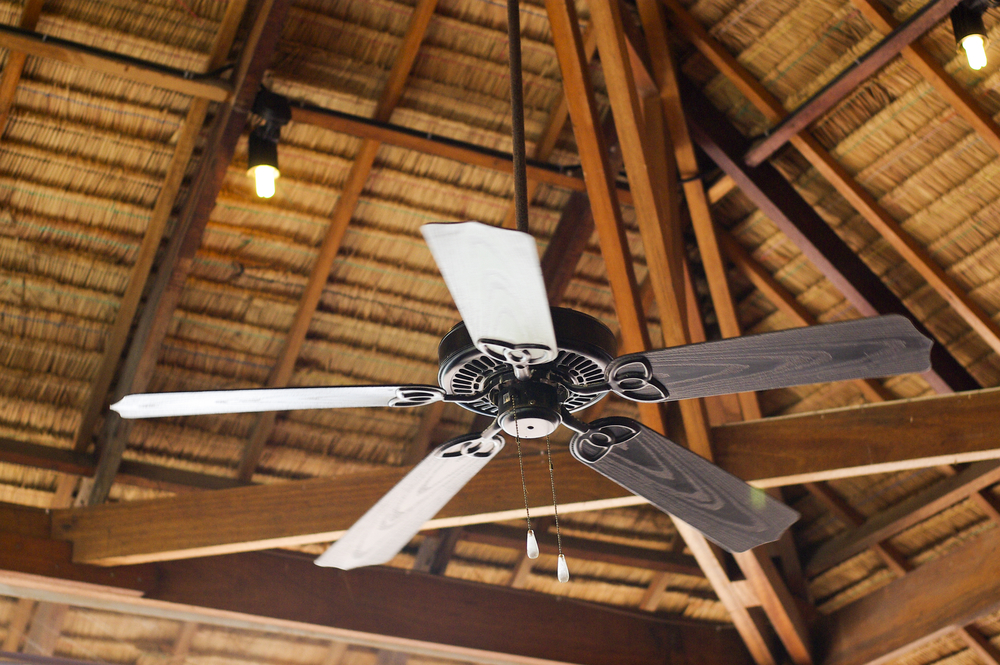
Keeping warm air circulating inside the home is one of the top priorities during winter, so check all vents to make sure they're not blocked and that air can push through freely. Set your ceiling fan to rotate in reverse, so that it draws warm air from near the ceiling and pushes it downward. Take a look at your furnace filter to make sure it's clean, and if it's not, replace it immediately. Keep a few spare filters on hand so you can change them out as they accumulate dust and debris during the winter. This is one of the easiest ways to make sure your furnace will be able to work properly and won't be pushing itself to the limit every time it kicks on.
2. Insulation
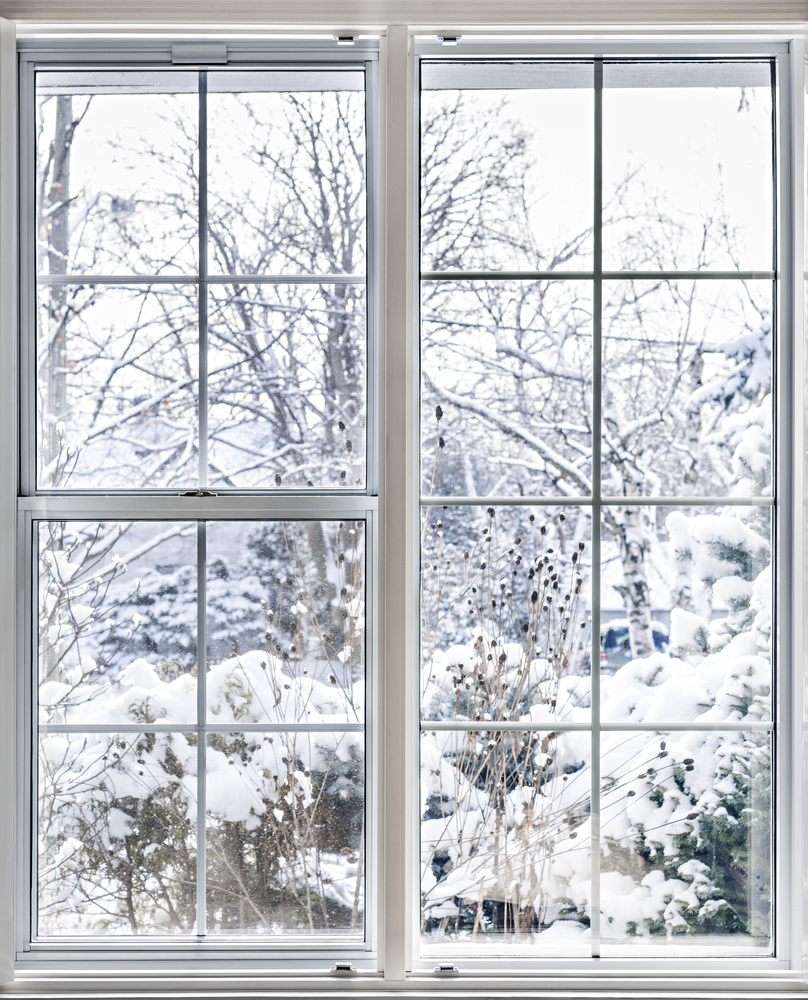
If you have attic space in your home, make sure it's well insulated and that there are no air leaks around attic windows or vents. You can seal these up fairly easily, and there are plenty of insulation options to choose from, most of which you can do yourself in a weekend. It's important to make sure there are no leaks in your roof, however, as wet insulation won't help you much.
It's also important to check all the windows and doors in your home to see if cold air is working in through tiny cracks along the sides or at the top and bottom. Installing storm windows or doors, placing weather stripping around the edges, or even using a rolled up towel or thick blanket to block cold air from streaming in under the door are all inexpensive, effective ways to save money on your heating bill and keep your home cozy.
3. Watch the thermostat
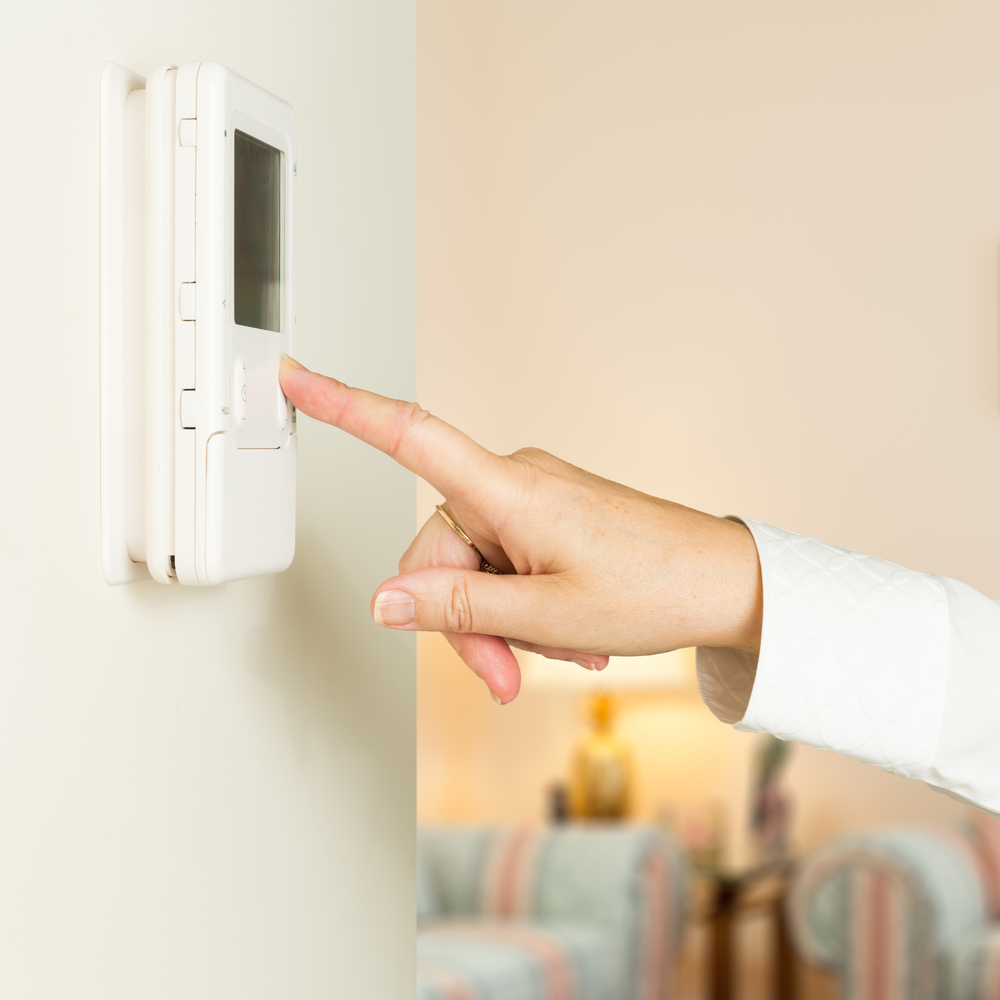
If your family spends time outside of the home often during winter months, turning down the thermostat before you leave is a great way to save quite a bit of money and keep your furnace from working overtime. It might be helpful to install a programmable thermostat that will automatically turn down the heat after you leave for work and crank it up just before you get home.
4. Check your water lines
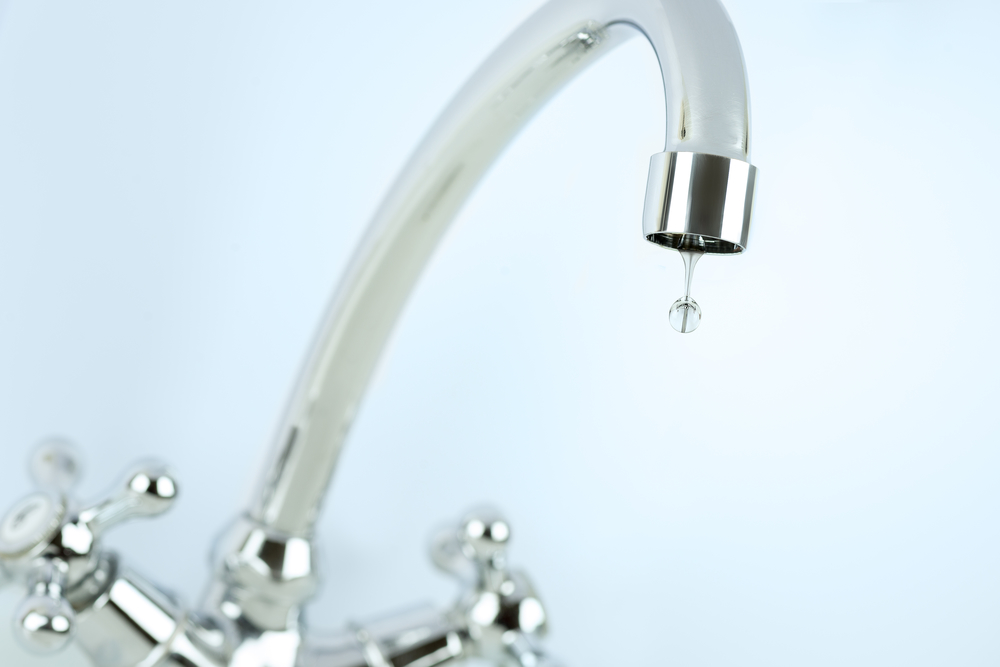
It's important to check your water lines, especially if you have a swimming pool or other outdoor pipes that could freeze. Leave faucets on a low drip when it's very cold out, especially at night when the temperature drops even more. Open cabinet doors to allow warm air to circulate around the pipes, and consider installing pipe sleeves to insulate exposed pipes. To avoid a frozen sprinkler system, blow out your sprinklers before the first deep freeze!
Getting your home ready for winter in the Denver Metro area doesn't need to be overwhelming; do some research before you get started and begin with the easiest tasks first.
Big thanks to guest blogger Seth Murphy for putting together this list for us! Mr. Murphy started PapaDIY to share tips and advice on DIY and help others.














Socials