
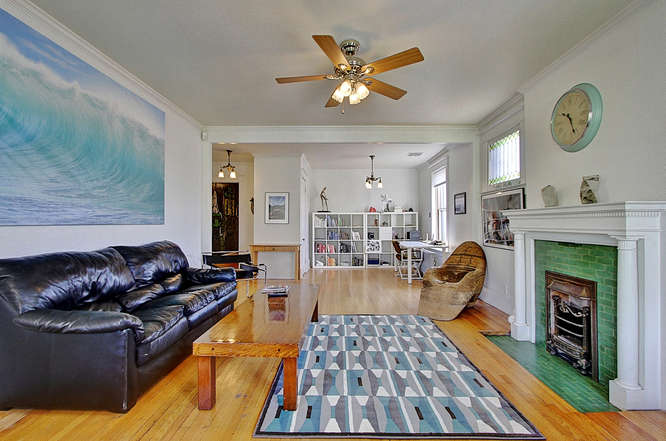
Photo: 1550 Ogden, a Capitol Hill historical condo listed by Brian Conley for Live Urban Real Estate.
Denver's Homes are Increasing in Value faster than any other US city.
According to the Denver Post:
Metro Denver isleavinglast decade's housing bust in the rear view mirror faster thanany othermajormetro area in the country, according to anew studyfrom HSH.com.
Home prices are now 49.1 percent above the old high they reached in the first quarter of 2006. That is the biggest increasefrom the prior decade's peak among any of the 100metros tracked in a home price index run by the Federal Housing Finance Agency.
Five of the other top 10 metros making the list for the strongest appreciation above the prior peak are all in Texas: Austin, Houston, Dallas, Fort Worth and San Antonio.
What thebest performing markets tend to share is that they didn't catchup in the exaggerated home price gainsseen in states like Florida, Arizona and Nevada. They also are reportingrobust job gains and population growth.
œFor the most part, markets that didn't crash as hard have fared well during the recovery, as have those where job markets recovered the fastest, said Keith Gumbinger, a vice president at HSH.com, a New Jersey firm that provides mortgage research.
Metro Denver didseeforeclosures, short sales and underwater properties swell at the end of the last decade, said real estate market veteran Gary Bauer, a member of the Denver Metro Association of Realtors.
œWe suffered our downfall and it had a dramatic impact, Bauer said. But looking back,the Denver market didn't have as far to crawl back as manyother cities.
TakeLas Vegas, where home prices have bounced back more than 75 percent from the bottom, a remarkable move by any measure. Still, the Las Vegas home price index remains nearly 50 percent below the exaggerated highs reached last decade.
Other housing bubble cities struggling the most to achieve their former highsinclude California cities of Stockton, Bakersfield, Fresno and Riverside; Fort Myers and Orlando in Florida; Tucson; Camden, N.J.; and Elgin, Ill.
Despite the passing of so many years,only 42 out of the 100 metros have surpassed the old home price index highsas of the first quarter.Allowing that a dollar today doesn't buy as much as it did a decade ago, only one in 10 metro markets have provided anyreal gains from their prior peaks.
A question the report raises is whether metro Denver, given itsstrong home price appreciation, may find itself a decade from now where Las Vegas is today. The median price of a home sold in metro Denver last month approached $400,000.
Since the FHFA home purchase index started back in 1991, metro Denver home prices have quadrupled. No other metro, not even San Francisco, has managedthat kind of long-term appreciation. Miami's index did quadruple from 1991 to 2007, but hasn't regained those highs after crashing. Only economic rival Austin comes closeto matching Denver's performance.
œRegular, modest gains are usually the most durable; upward spikes that outstrip incomes and job and population growth are more susceptible to correction, Gumbinger said.
But there are significant differences between 2006 and 2016. A decade ago, easy-to-obtain mortgagesand rising home prices created artificialdemand for homes. Those same loose lending standards allowed builders to bring what proved to be a glut of new homes to the market, including in metro Denver.
Read the rest of the Denver Post article.
If you are wondering what this news means for your Denver area home search, or for your Denver Metro home's value, start here:
#form-buyers#


















Socials