
 Everybody loves a gorgeous green lawn until it's time for mowing, watering, fertilizing and weeding - or paying those lawn care company bills every month. Or perhaps you're trying to grow grass in a shady area, but it's just barely hanging in there.
If you've had enough of the green stuff, it may be time to cut back on the amount of lawn in your yard. Spring is a great time to get started.
We're not talking a front yard covered in nothing more than rocks or gravel. Some people used to think that was the meaning of œxeriscaping, but that short-sighted approach contributes little to the environment.
Removing lawn should be done for the right reasons - to reduce maintenance and use of chemicals, lower costs, diversify your landscape and attract birds, butterflies and other wildlife, or to grow edible plants including veggies, fruits and herbs.
Before you dig up every square inch of grass, it's a better idea to begin with a plan. Experts recommend reducing your lawn gradually, especially if you are doing the work yourself. Choose logical areas, such as increasing the size of existing plant beds and creating garden beds around the foundation of your home.
Other good places include wet or dry spots, areas where grass is doing poorly and at the edges of your property. Or perhaps you have a sunny location perfect for a vegetable and herb garden.
When making garden beds around the foundation of your house, place newspaper or other layering and mulch at least 18 inches away from the foundation to prevent moisture against the structure and place plants at least 3 feet away from the foundation.
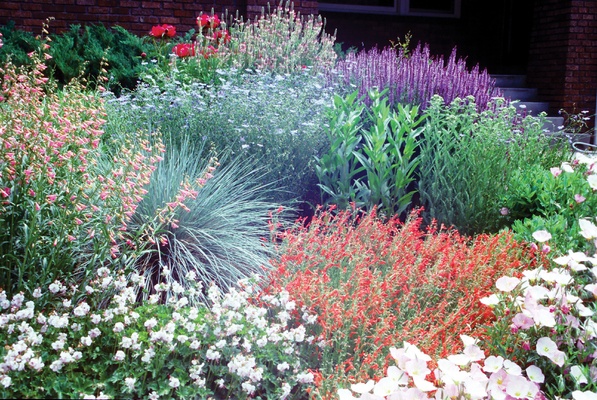
There are plants galore to choose from, but keep your original goals in mind: to reduce maintenance and water use, and contribute to a more healthful environment. That's best achieved with Colorado-friendly and native plants that are drought- and pest-resistant.
















Socials