
Living the high life in Colorado can present challenges for our fellow gardeners. The summer season here brings about a wide range of temperatures, from summer heat waves during the day to frigid temperatures at night. Coupled with poor and rocky soil, low nutrients, and an inability to retain water, gardening in the Mile High City can seem almost impossible. But easy workarounds exist to get the lush garden you want.
Know Your Ground: High Altitude Edition
Like many things in life, a good plan of attack leads to positive results and a garden is no different. Creating a diagram can help you design your perfect veggie oasis without an inch of space wasted. Selecting a location that will support your garden's growth is crucial and the land's slope is a big factor. The right slope can prevent frost, support irrigation, and diminish the harsh sun. Once you've selected your site, make sure to test the dirt. Colorado soil is uncommonly alkaline, meaning it contains high pH levels. Depending on your results, you may have to incorporate different bases to fluctuate the land's acidity levels. Combining different mulch, compost, manure, or acids can help change the soil's composition.
Then you can begin to decide which plants you want to incorporate. It's important to include both native and non-native plants in your design. The agricultural diversity amongst the plants will help support and aid the growth of your garden. When selecting a non-native plant, make sure to check the plant's label. You'll find important information like the hardiness zone of the plant as it's essential to know the hardiness zone of your garden's locations. Hardiness zones, also referred to as "growing zones" or "gardening zones," refer to a map developed by the US Department of Agriculture that breaks up the United States into regions based on average low winter temperatures. This will give you a baseline of what plants will thrive best in your garden. Note - the map does not include the average high temperatures during the summer or average annual precipitation. The Farmer's Almanac and the Denver County Extension office are great resources for this information/
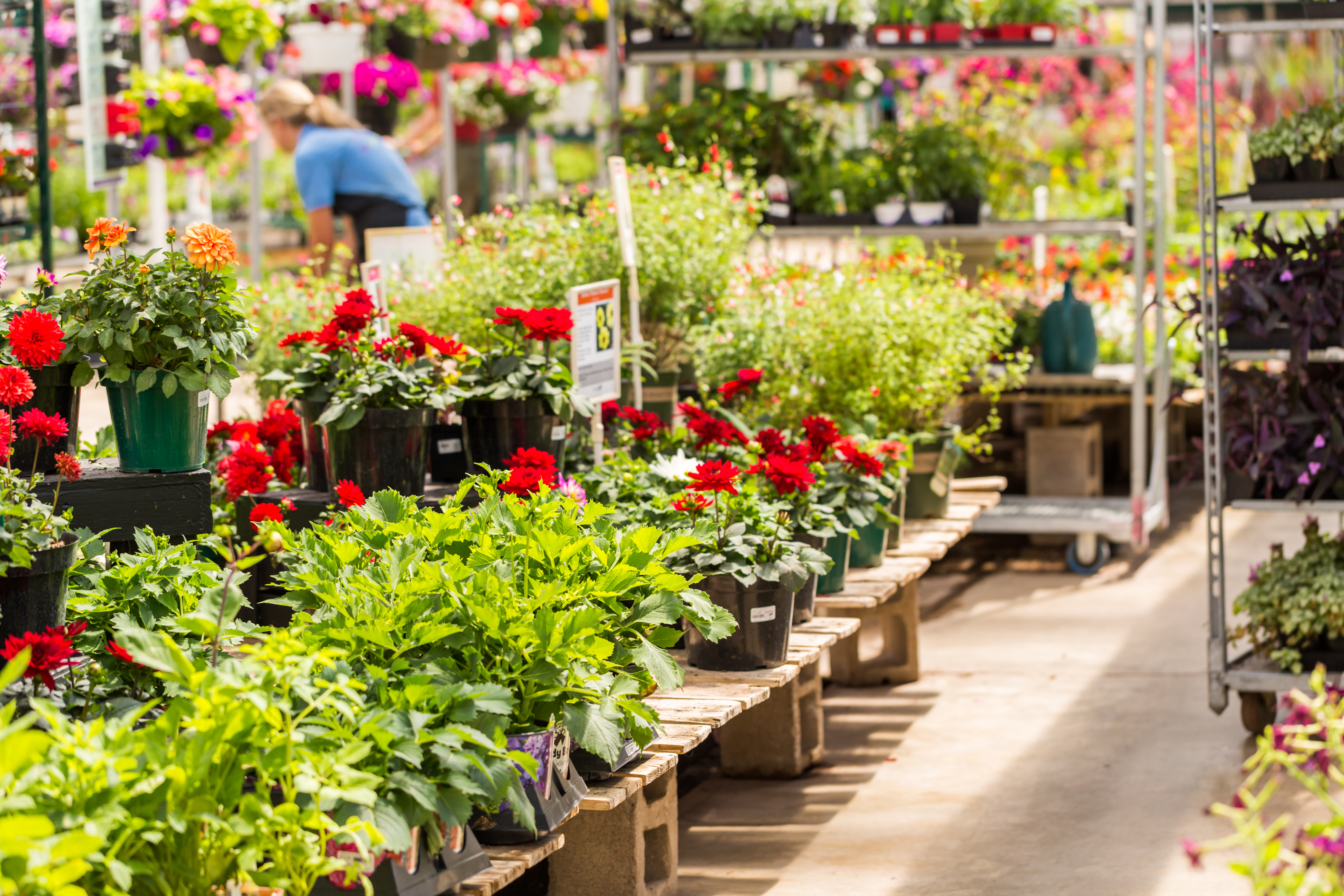
Denver Garden Centers
Birdsall & Co. | 2870 S Broadway, Englewood
City Floral | 1440 Kearney Street., Denver | Montclair Neighborhood
Country Fair Garden Center | 7150 Leetsdale Drive #415, Denver | Washington / Virginia ValeNeighborhood
Echter's Nursery & Garden Center | 5150 Garrison Street, Arvada
Jensen's Flower and Garden | 845 Wadsworth Boulevard, Lakewood
Nick's Garden Center & Farm Market | 2001 S Chambers Road, Aurora
O'Toole's Garden Centers | 1404 Quail Street, Lakewood + 9400 Wadsworth Parkway, Westminster
Tagawa Gardens | 7711 S Parker Road, Centennial
The Merigold Denver | 2721 Welton Street, Denver | Curtis ParkNeighborhood *a bar and plant shop!
Wild Flowers | 1201 Madison Street, Denver | HighlandNeighborhood
Wilmore Nursery Garden Center| 711 E County Line Road, Littleton
Pet-Friendly Lawn Tips
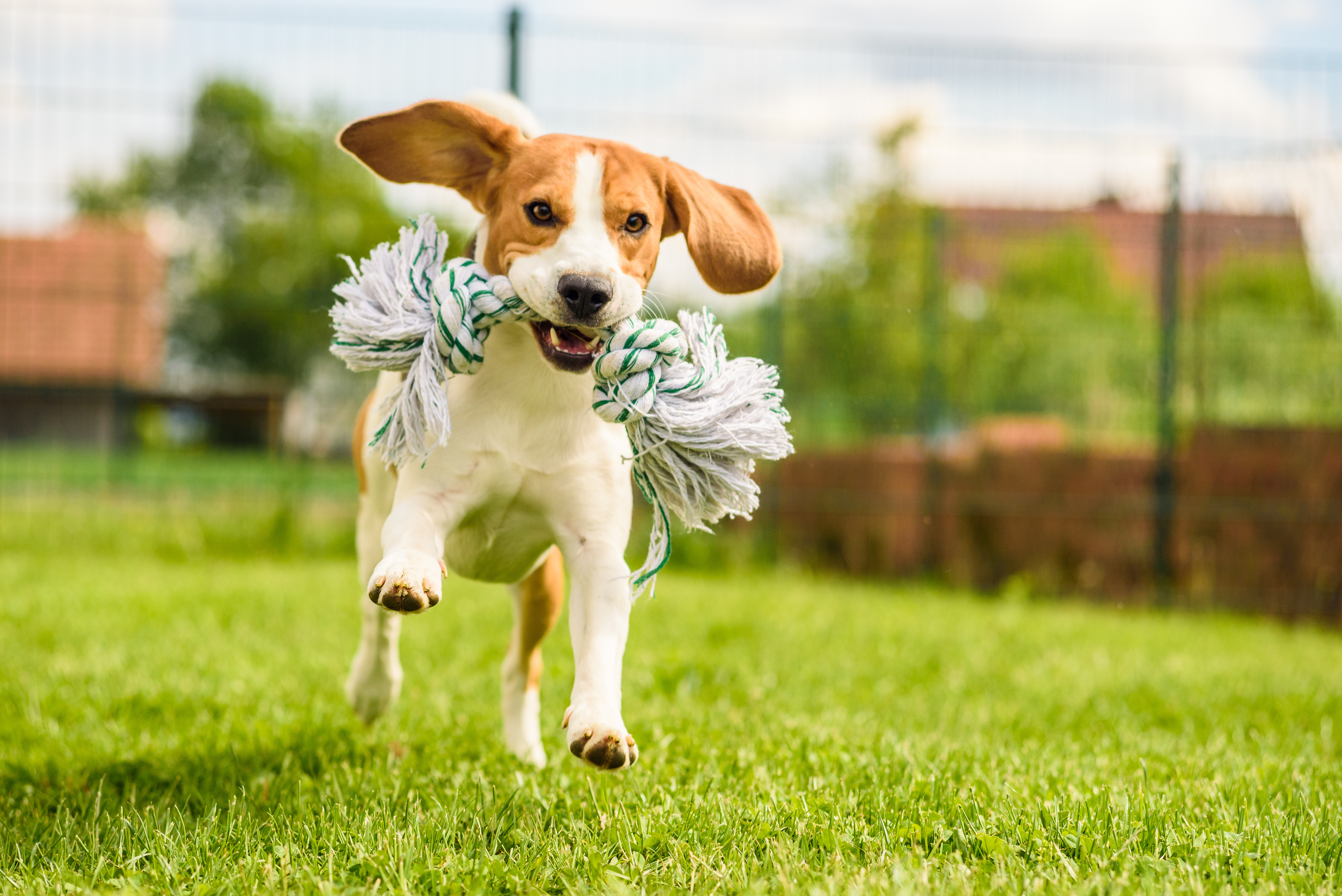
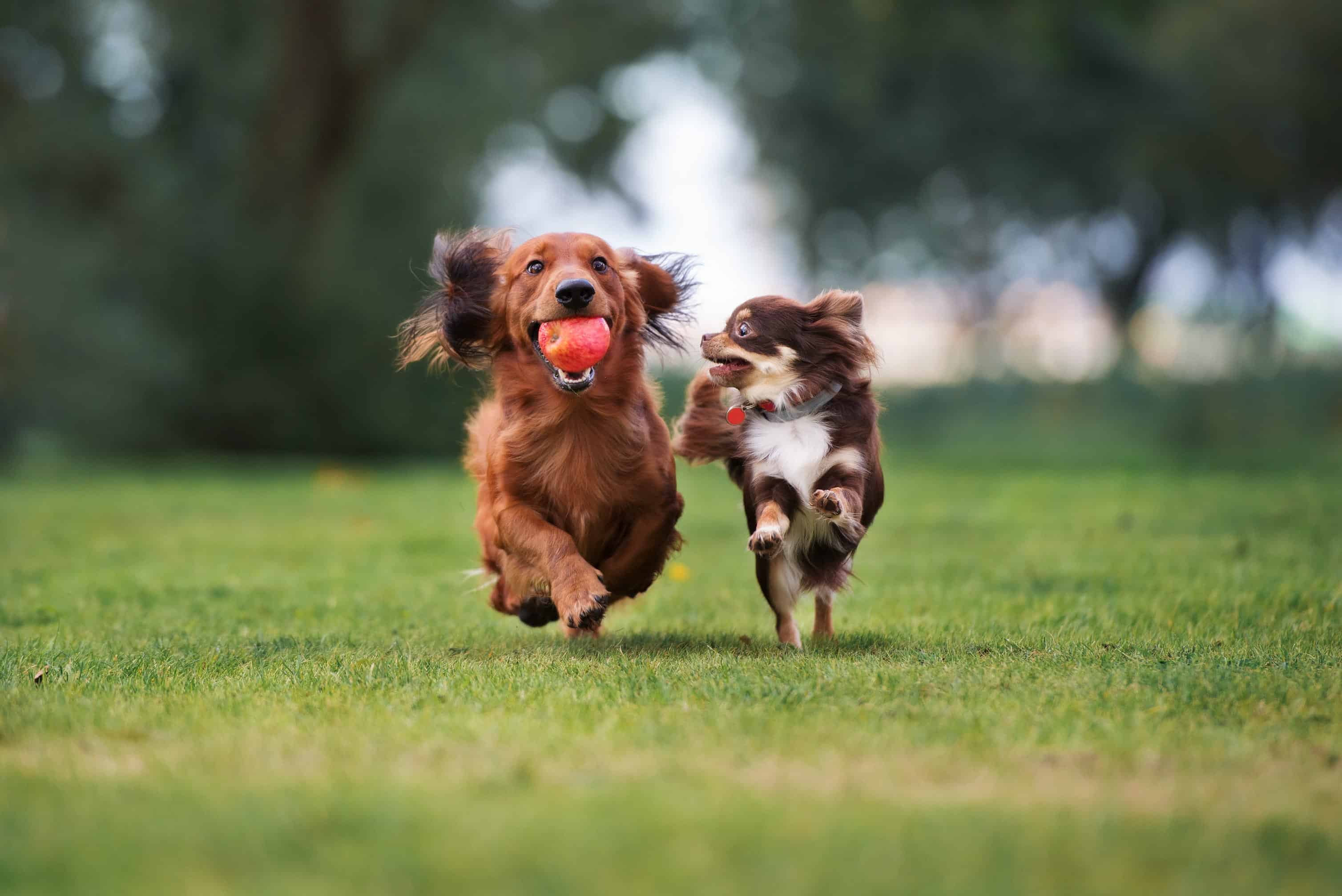
Designing an outdoor space that works for you and your family is important, but don't forget to include your furry friend. We all know dogs love to sniff around and chew on things (including grass), so the chemicals and flowers in your lawn can pose a severe threat. You can always double-check this list of toxic plants if you need more clarification. Plants with needles and thorns, such as a Foxtail Weed, are not on the list, but their seeds or thorns can embed themselves in your dog's skin and can cause dangerous infections.
If you're going to start anywhere, your backyard's foundation is where you should look. There are several damage-resistant types of grass, such as Kentucky bluegrass, Perennial ryegrass, and Zoysiagrass. You can view additional grass alternatives here. To ensure the durability of your grass, keep the length between 2-4 inches to prevent damage. For extra insurance, offer a designated section of your lawn for your pup to dig. It's a natural instinct; you'd rather they dig up in one corner instead of random spots across your beautiful yard.
When it comes to lawn care, it's essential to ensure that all of the products you use are safe for your pet. Several lawn fertilizers are safe for pups, but if you do lay it down, wait at least a few days before letting your furry friend enjoy the backyard.
One thing to keep in mind: snail baits or ant baits are especially hazardous to dogs. They omit a food-like smell sure to attract any neighborhood pup, so it may not be the best solution if you do not have a fenced-in yard and want to use them. If you have a fenced-in yard, be vigilant about removing them before your pup comes out to play or goes to the bathroom.
To ensure the longevity and life of your grass, removing dog waste as quickly as possible is imperative. You can set up a simple station with a gallon plastic bucket and a pooper scooper to ensure quick pickup. During the summer, make sure you have a hose hooked up to the exterior spigot. Dog pee has nitrogen which can burn your grass and leave a bleach-like stain. Rinsing off the area immediately can help dilute the nitrogen and flush the soil.
We wish all of our Colorado neighbors success in your backyard endeavors this year, including a happy pup and a lush lawn! If you prefer to hire a professional team to survey and strategize the best course of action, our agents can provide recommendations on top-tier vendors in the area. If you need information about the lawn watering policy in your area, one of our neighborhood experts has you covered.













Socials