
Lakewood, Colorado has frequented local news outlets as of late. Taking a page out of Boulder County's book, Lakewood voters made headlines with their recent decision to impose a 1% yearly cap on new residential builds. According to Denverite, the measure was passed in a one-issue special election spurred by concerns that,"their city west of Denver was growing too quickly and their roads, parks, sewers and other infrastructure weren't keeping up. They also raised concerns about the power of developers and loss of identity, echoing arguments heard along a changing Front Range where transportation infrastructure is under pressure, housing prices are rising and gentrification is leading to displacement."Wondering, "how will residential growth limits impact your chance of buying a home?" We'll explore possible outcomes below.
Willthese measures help squelch the impressive population growth we've seen over the past years? It could certainly motivate transplants to purchase outside of the areas involved in the potential growth limit regulations, relieving strain on Lakewood's infrastructure. But the reason why begs a little more thought
Lakewood's recent residential popularity has driven home prices up, causing starter home prices to rise above what many can afford. The reason you've probably noticed these expensive price tags is the classic principle of supply and demand: when more people desire a commodity, the price of said commodity increases. Metro Denver has seen this basic economic trend play out before its eyes: more people move here and want to buy a home. The same amount of people list their home for sale. Home prices increase. People who may have been considering moving become nervous about listing their home because they're not sure they can even afford to upgrade or downgrade. People are still moving to Metro Denver and wanting to purchase a home. Now, there is more demand and less supply and the cycle continues. Homes are expensive. So, the answer to the questionhow will residential growth limits impact your chance of buying a home? appears to be that this type of measure would likely make it much more expensive to purchase a Lakewood house by exacerbatingthe low home supply level in the area. In other words, if you're on a tight budget, buying a home could become much more difficult. On the other hand, property values for existing residents can be expected to increase, providing Lakewood homeowners with added equity.
Take Boulder and Golden as examples. These two Colorado cities faced overwhelming population growth and imposed residential growth limits as a solution. Boulder and Golden are still highly desirable places to live with equally high home prices.
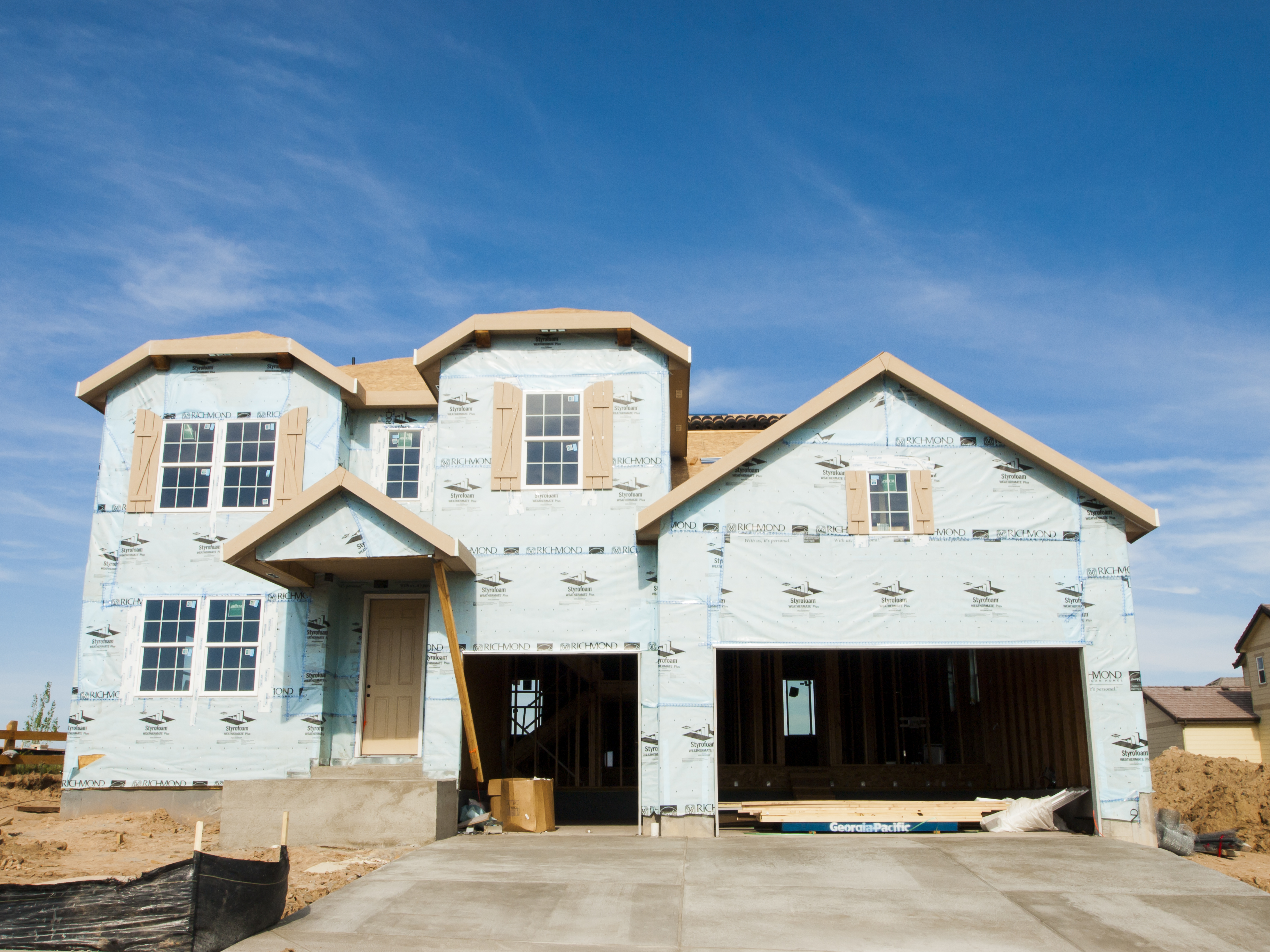
Lakewood's new residential growth regulations could very well motivate home-buyers to look outside of Lakewood. However,before residential limits will reduce the number of new Lakewood residents, the city will seeless supply and higher home prices. If residential building is limited, homes will become even less affordable for natives and transplants alike.
Recommended Reading
How Denver's New HOA Legislation Will Impact You
Announcing Powerful New Regulations for Renters




















Socials