
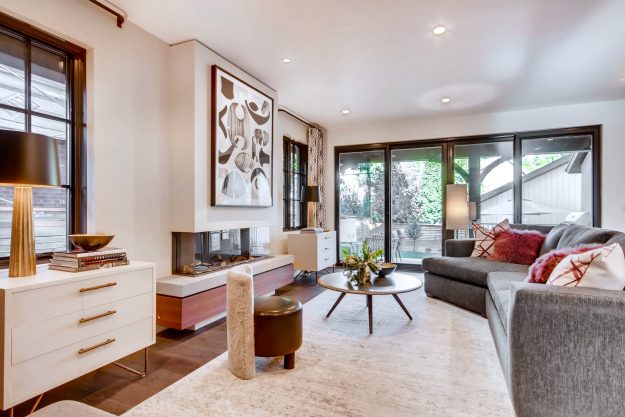
BRINGING YOUR HOME DESIGN DREAMS TO LIFE: INTERVIEW WITH ASIDCEO RANDY FISER
From the Luxury Portfolio Blog atLuxuryPortfolio.com

Without a doubt, Randy Fiser, Hon. FASID, understands the impactof great design. As CEO of the American Society of InteriorDesigners (ASID) for the past six years, Fiser works with interiordesigners across North America as a leading voice describing thepower of design to positively impact peoples lives. We sat downwith him to discuss the benefits of hiring a design professional tomaximize a space and improve an occupants health andwell-being.
Q. What are the most important things consumers need toknow about the interior design profession?
A. The interior design profession is a robust occupation inwhich designers capture a clients lifestyle and expectations toexecute a project to maximize functionality. A good designer alsohas the ability to build a rapport with the client, ensuring thattheir vision for the home comes to life. In addition, they alsoneed to be very familiar with materials that are aestheticallypleasing but also healthy and sustainable. Interior designers mustunderstand people as much as they know the practice of design. Thisis beyond residential. Interior designers build spaces forhealthcare, workplace, education, hospitality, and all other placeswhere we live, work, play, and heal.
Q. With countless resources on the Internet forconsumers to gain access to design tools and products, how does thedesign professional navigate the relationship with theconsumer?
Without a doubt, Randy Fiser, Hon. FASID understands the impactof great design. As CEO of the American Society of InteriorDesigners (ASID) for the past six years, Fiser works with interiordesigners across North America as a leading voice describing thepower of design to positively impact peoples lives. We sat downwith him to discuss the benefits of hiring a design professional tomaximize a space and improve an occupants health andwell-being.
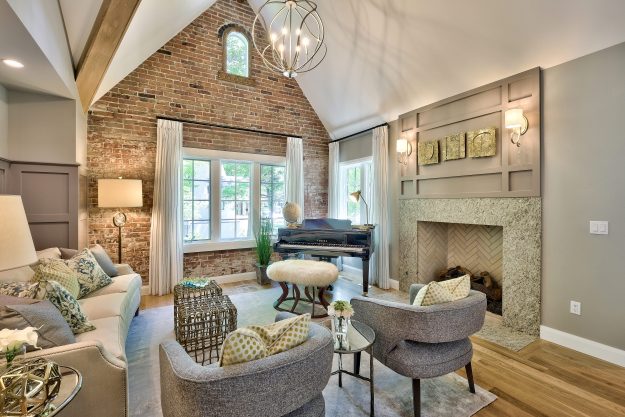
Q. What are the most important things consumers need toknow about the interior design profession?
A. The interior design profession is a robust occupation inwhich designers capture a clients lifestyle and expectations toexecute a project to maximize functionality. A good designer alsohas the ability to build a rapport with the client, ensuring thattheir vision for the home comes to life. In addition, they alsoneed to be very familiar with materials that are aestheticallypleasing but also healthy and sustainable. Interior designers mustunderstand people as much as they know the practice of design. Thisis beyond residential. Interior designers build spaces forhealthcare, workplace, education, hospitality, and all other placeswhere we live, work, play, and heal.
Q. With countless resources on the Internet forconsumers to gain access to design tools and products, how does thedesign professional navigate the relationship with theconsumer?
A. Consumers want to work with a professional that taps intotheir personal desires for a space to better reflect (in the home)who they are as people and can have a positive effect on theirhealth and well-being. Online services may not be as personal,making it difficult to design a space that will have a positiveimpact on the lives of people in the space. These services mayprovide some materials to consumers, but not as much of thepersonal rapport that they would receive when working directly witha design professional. Developing a relationship with your designeris important in reflecting yourself in a space. Much of what aninterior designer does is create a space that is unique to theowner.
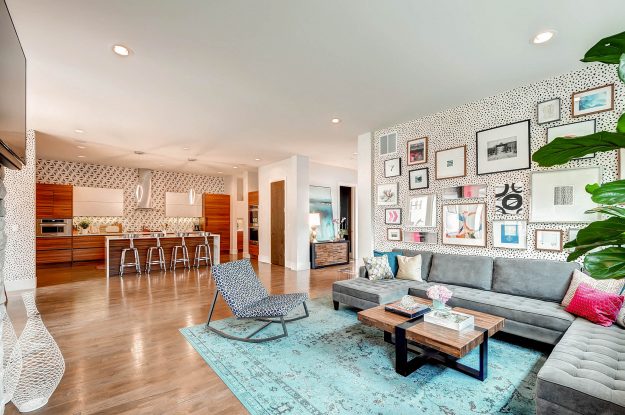
Q. How often do you see designers partnering with realestate professionals to benefit the buyer and theseller?
A. Closer relationships between agents and designers can help aclient navigate the design process and ensure that when it is timeto sell the home, the space is marketable to new buyers. I haveseen some real estate agents take designers to properties to ensurethat the buyers make the space their own but right now, I dontthink it happens enough. Through a partnership with an interiordesigner and a real estate agent, new owners can create a spacethat is personal and functional.
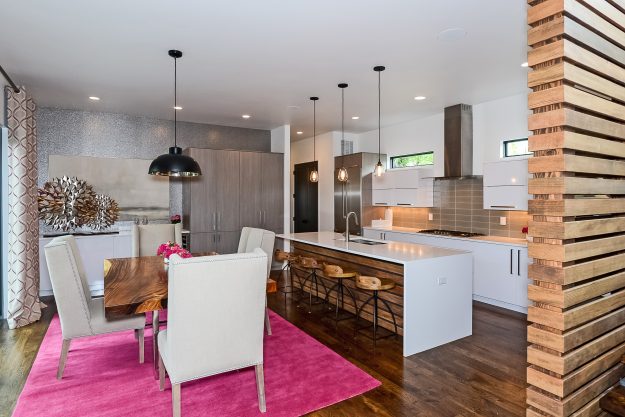
Q. What are some examples of good design where thedesign professional added unique and demonstrablevalue?
A. One example is customization. There are always mass-producedpieces that you can purchase and add, however, if the client wantssomething truly unique like a custom wall piece or a need for asmaller sofa, that should be made for them. These customizedelements add unique value to the home and bring joy to the owner.Another example of good design is incorporating elements thatimprove your health and well-being. Everything from circadianlighting, (systems that mimic the bodys natural biological cycles)to biophilia (the connection between humans and every livingsystem) are environmental improvements that can positively impact ahomeowners well-being.
Q. How can consumers know that the design professionalthey commission is an experienced professional?
A. One of the ways to know someone is qualified is throughcertification. ASID offers several categories of membership so thatconsumers know that their designer is an experienced professional.Allied ASID membership is open to members who have completed aninterior design degree program from an accredited institution,Associate members have a minimum of 6 years of experience ininterior design, and the Professional ASID membership is memberswho successfully completed examination to show that they understandtechnical issues that support the health, safety, and welfare ofthe people within a space. P&C
BRINGING YOUR HOME DESIGN DREAMS TO LIFE: INTERVIEW WITH ASID CEO RANDY FISER
From the Luxury Portfolio Blog at LuxuryPortfolio.com
Without a doubt, Randy Fiser, Hon. FASID, understands the impact of great design. As CEO of the American Society of Interior Designers (ASID) for the past six years, Fiser works with interior designers across [...]




















Socials