

Living a more sustainable life is more than just being a better citizen of the planet. Beyond mindful lifestyle choices, incorporating energy-efficient products and practices can drastically decrease your carbon footprint and offers the unexpected benefit of saving you cold hard cash every season. Whether you're a renter, home buyer, or homeowner, there are several easy ways to make your house more energy efficient.
Before sharing our recommendations, it's worth mentioning energy audits. An energy audit is a professional energy assessment of the home, complete with a report and suggestions on improving your home's energy efficiency while increasing the comfort of your living space. According to Angi, the average cost of a home energy audit in Denver, Colorado, is $275 and there are several tax credits programs to offset the cost. It's worth a discussion with your REALTOR to learn more.
Electric
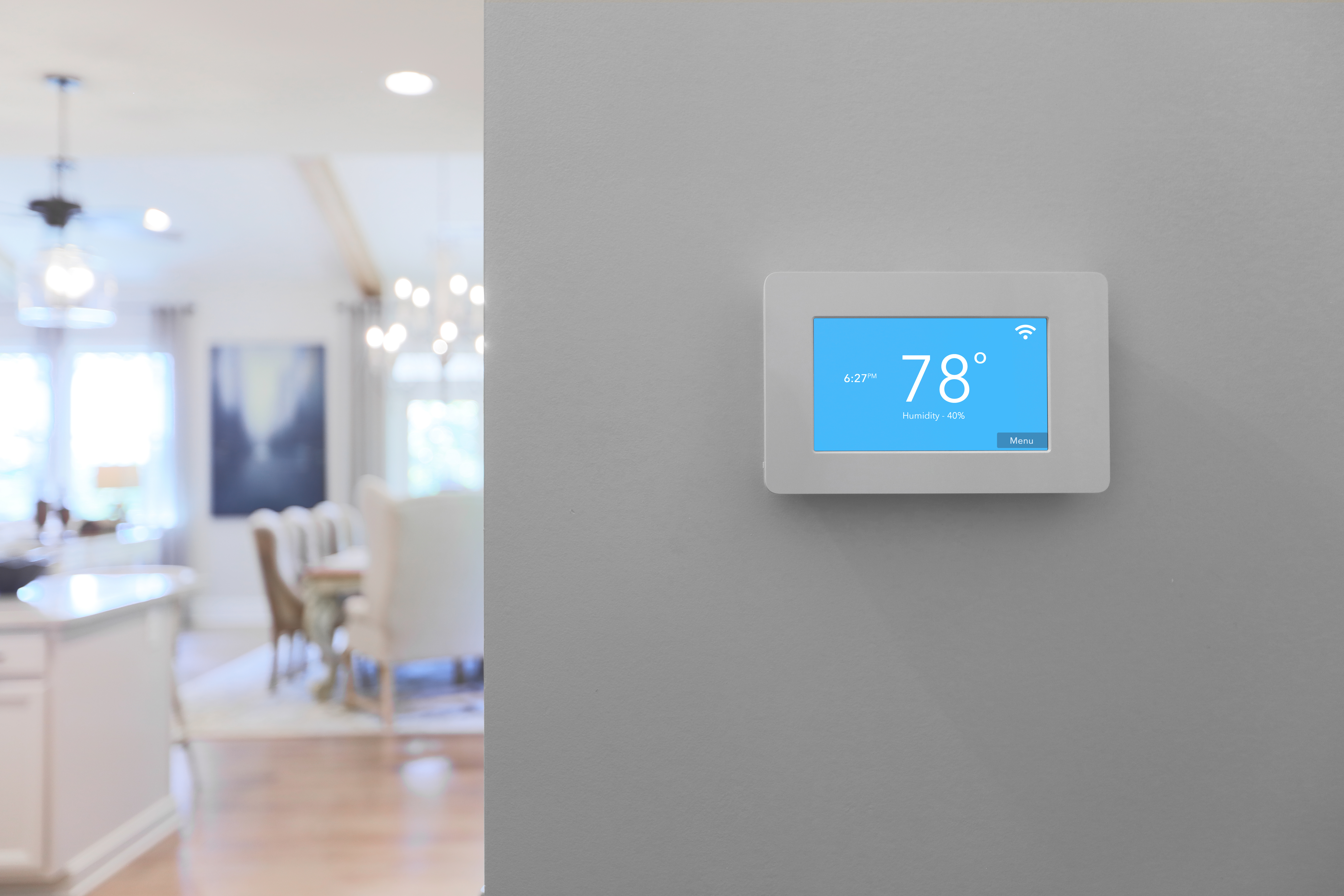
There are several easy and inexpensive ways to enhance your electricity efficiency. Change out your old light bulbs for energy-saving LED light bulbs. Invest in a smart thermostat, a relatively inexpensive addition. They can help automate temperature changes based on your daily routine to achieve top efficiency.
If you're looking to make a bigger impact and invest some money, there are several upgrades you can invest in. You can start with incorporating Energy Star appliances into your home or update your home's electrical panel and wiring to accommodate future needs like electric car chargers and electric stoves. Another fabulous option that includes many tax breaks and incentives is to purchase or rent solar panels for your home.
Heating and Cooling
Transitioning your home's heating and cooling into a more efficient system can be easier than you think. Make the most out of the natural shade and sun in your home. During hot summer days, close the blinds to reduce the need for the AC to be blasting all day, and open them up at night to take advantage of the cooler outdoor temperatures.
Another option to make more of a dent is to purchase an electric heat pump. They are more efficient replacements for oil and gas boilers and furnaces, and they can cool air too.
Water Heater
You may have grown up in a household where your parents insisted on separating your lights from your darks when it came to laundry time. Not only did it protect the integrity of your clothes when you washed your colors in cold water - it also cut down on the household's hot water usage, saving your family some money each month. Keeping tabs on your hot water consumption is an easy way to keep your bill down and predictable. If you have a boiler or furnace, consider an electric heat pump. While a water heater is more efficient than those, an efficient electric heater is the best option to save money and power.
Attic and Windows
Insulating your home where you inevitably have heat retention weak spots is critical. You could save a good amount of money sealing up those locations. Start with the attic to ensure no outside air leaks. Next, upgrade any drafty windows with new, modern, energy-efficient ones. This will save you money; plus, newer windows have unique UV technology within the glass to dampen the harshness of the sun entering your home and damaging decor or finishes.
If you're in the process of buying a home, it's important to ask about the home's energy consumption during the process. It's a great way to estimate how much your utility bills will cost. If you're looking to purchase a fixer-upper or renovate your home to operate more efficiently, there are several renovation loans available to help cover the improvement costs; just ask your REALTOR.



















Socials