
 First, let's take a look at what HOAs are all about. HOA fees often range from $200 to $400 per month. The more upscale the building and the more amenities it has, the higher the homeowners' association fees are likely to be. In addition to monthly fees, if a major expense such as a new roof or a new elevator comes up and there aren't enough funds in the HOA's reserves to pay for it, the association may charge an extra assessment that can run into the thousands of dollars.
Because multiple parties live in the same building, all residents of condominiums and townhomes must be equally responsible for maintaining the common areas of the building such as landscaping, elevators, swimming pools, clubhouses, parking garages, fitness rooms, sidewalks, security gates, roofing and the building exterior. Many of these types of common areas, such as pools and tennis courts, also exist in subdivisions of single family homes. Regardless of whether the HOA governs a building, such as a condo or townhome structure, or a neighborhood of individual houses, HOA fees help maintain the quality of life for the community's residents and protect property values for all owners.
In addition to maintaining common areas, HOAs also set out certain rules that all residents must follow called œcovenants, conditions and restrictions (CC&Rs). In a common building, rules may include what color front door you may have, whether you are allowed to line dry your laundry outside, whether you can have a satellite dish, the size and type of pets permitted, and so on. In many ways, these rules are similar to the types of rules apartment dwellers must follow.
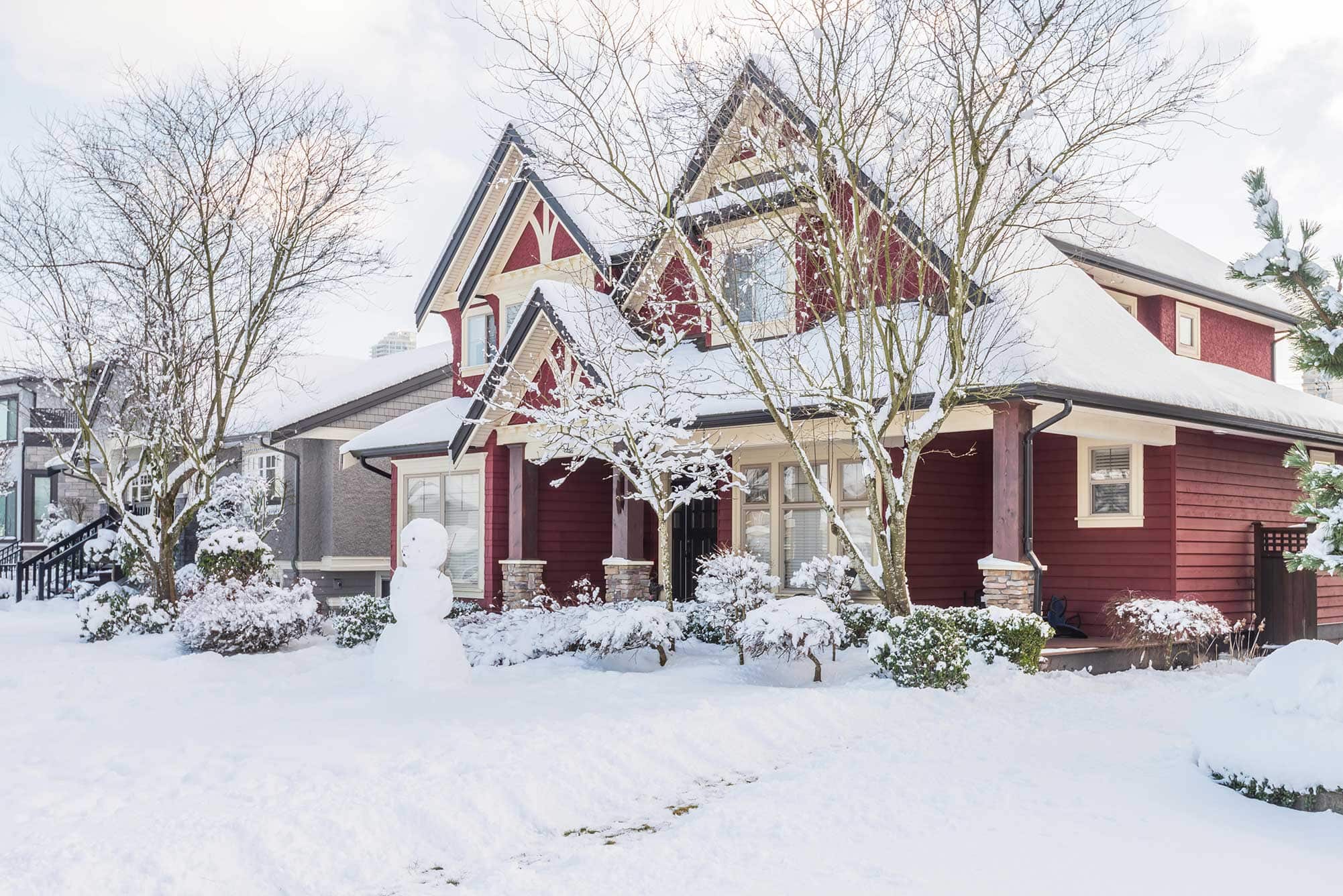
In a subdivision with individual homes, regulations may include what color you can paint your home, the exterior landscaping you can do, the types of vehicles you can park on the street or in your driveway (no RVs, for example), permissible type and height of fences, and restrictions on window coverings for windows facing the street. If you want to do anything that differs from these rules, you will have to convince the HOA to grant you a variance, which is probably unlikely. No matter where you live, you are likely to be subject to city ordinances and restrictions related to the use of your property. HOAs add yet another layer of restrictions and because their members are more likely to know what you're up to, the HOA is more likely to enforce the rules. So, let's take a look at some of the rules and regulations you need to know about before you decide to join one of these communities.
What You Need To Know
While there are laws governing the behavior of HOAs, these associations can still have a powerful impact on your rights as a homeowner. Before buying a property in a community that has an HOA you should:
1. Learn the HOA's rules
You may be able to find an HOA's CC&Rs online as well as information about what happens if you violate a rule. Make sure any online information is current. If you cannot find this information online, ask your real estate agent to acquire these documents for you or contact the HOA yourself. Pay particular attention to rules regarding fines and whether the HOA can foreclose on your property for nonpayment of HOA dues or fines resulting from CC&R violations. Also, learn about the process for changing or adding rules and whether HOA meetings are held at a time you will be able to attend, if you wish to do so. If the rules are too restrictive, consider buying elsewhere.
2. Make sure the home you want to buy is not already out of compliance with HOA rules
Buying into an existing problem can be a headache.
3. Assess environmental practices
If environmentally-friendly living is important to you, be aware that some HOAs may dictate that you use fertilizers, pesticides, sprinkler systems, and whatever it takes to keep your lawn picture-perfect. They may not allow xeriscaping (an environmentally friendly form of landscaping) and may limit the size of gardens, ban compost piles and prevent you from installing solar panels. If these things are important to you, make sure you check the fine print first.
4. Consider your temperament
Are you the type of person who hates being told what to do? If so, living in a community with an HOA may be a very frustrating experience for you. One of the major benefits of homeownership is the ability to customize and alter the property to suit your needs, but HOA rules can really interfere with this.
5. Find out about fees
Fees will differ for each community. Because of this you should make sure to ask your HOA the following questions: How are HOA fee increases set? How often do increases occur, and by how much have they historically been raised? Can you get a printed history of HOA dues by year for the last 10 years? How large is the HOA's reserve fund? Also, ask for a record of special assessments that have been made in the past and ask if any special assessments are planned for the near future. Note that economies of scale can mean that special assessments are higher in smaller HOAs. Find out what the monthly dues cover. Will you still have to pay extra for garbage pickup? Is cable included? Compare dues for the complex or neighborhood you are considering to the average dues in the area. Keep in mind that you will have to pay for recreational facilities whether you use them or not. Find out the hours for amenities like pools and tennis courts. Will you be around during those hours, or will you be paying for facilities you'll never be able to use? Be aware that the HOA may have rules about how many guests can use common facilities. If guest restrictions are severe, forget about that housewarming pool party you envisioned.
6. Try to get a copy of minutes from the last meeting or sit in on an HOA meeting before you buy
The meeting minutes can be very telling to the policies of the HOA. Some questions to ask are: What are current and past conflicts? What is the process for resolving any conflicts? Has the HOA sued anyone? How was that resolved? Be alert for potential drama. Power trips and petty politics can be an issue in some HOAs. Talk to some of the building's current owners, if possible - preferably ones who are not on the HOA board and who have lived in the building for several years. Talk to the HOA president and get a sense for whether you want this person making decisions about what you can do with your property. If a private company manages the HOA, investigate it before you buy. Some HOAs are professionally managed, but it is common for the association to be managed by building residents who fill the position as volunteers. Even if you like the current HOA board or management company, it can change after you move in and you may end up getting something totally different than what you bargained for.
7. Watch for under-management
Not all HOAs are over-managed. The opposite problem may be an HOA where no one really cares and where no one is interested in maintaining the building, making repairs, hearing resident grievances, or being on the board. Residents may simply take turns serving as HOA president or randomly appoint someone, so be prepared to serve in this role whether you want to or not if that is the case with your community's HOA.
This would also be a good time to check into any restrictions preventing you from renting out your property or that make it difficult for you to do so. If your property is being under-managed you might not have an issue, but if you've got a hyperactive manager it could be a totally different story.
8. Find out what kind of catastrophe insurance the HOA has on the building
This is particularly important if you're considering a condo or townhouse purchase and you live in an area that is prone to floods, earthquakes, blizzards, fires, tornadoes, hurricanes, or any other type of potential natural disaster - and that is virtually anywhere.
9. Consider the impact of HOA fees on your short- and long-term finances
A condo with high HOA fees might end up costing you as much as the house you don't think you can afford.
Conclusion
Homeowners' associations can be your best friend when they prevent your neighbor from painting her house neon pink, but your worst enemy when they expect you to perform expensive maintenance on your home that you don't think is necessary, or impose rules that you find too restrictive. Before you purchase a property subject to HOA rules and fees, make sure you know exactly what you are getting into.
Read more: http://www.denverpost.com/business/ci_10511191#ixzz0jh5O1W5o


















Socials